



Best Soil for Queen of The Night (Epiphyllum oxypetalum)

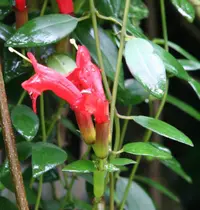
Epiphyllum oxypetalum grows best in a loose, airy, slightly acidic mix that supports healthy roots without staying dense or waterlogged.

Soil Texture

Loamy, Organic-rich

Soil pH

Acidic (5.5–6.5), Slightly acidic (6.5–7.0)

Soil Drainage

Well-drained

Epiphyllum oxypetalum Soil Guide

Native to southern Mexico and parts of Central America, Epiphyllum oxypetalum grows in warm, humid forests, often perched on trees or tucked into organic debris rather than dense ground soil. That habitat explains its preference for a loose, airy substrate that drains well but does not turn dry and dusty too quickly.

Its roots are relatively fine and benefit from oxygen around them, so the best soil for Queen of The Night is light, open, and rich in organic matter. A sandy-loamy texture works well because it holds some moisture for steady uptake while still letting excess water move through easily.

A homemade blend gives better control over texture and drainage than standard bagged potting soil alone for Epiphyllum oxypetalum.

100% total mix = 20 scoops
15%
coco coir or compost3 scoops
20%
perlite or pumice4 scoops
25%
orchid bark or fine bark5 scoops
40%
high-quality potting soil8 scoops

The finished mix should feel springy, crumbly, and airy, with quick flow-through and only light moisture left behind.

A slightly acidic to near-neutral range of about 5.5–7.0 suits Queen of The Night well. Within that range, key nutrients stay available without becoming overly restricted or imbalanced in the root zone.

Aiming near 6.0–6.5 is often a practical target because it supports steady nutrient uptake while still matching the species' preference for mildly acidic conditions.

This species can struggle when the root zone stays stale or compressed for too long. Small changes in texture and airflow often help prevent larger setbacks.

Dense mix:

Dense mix: If the surface hardens or water lingers, the root zone may lack air, so loosen the top layer gently and plan to switch to a more open medium.

Sour smell:

Sour smell: A musty or stale odor can suggest organic matter is breaking down in poor conditions, so remove any decaying debris and check whether the container drains freely.

Compaction after settling:

Compaction after settling: If the mix shrinks and becomes tight around the roots, add fresh airy material at the top and avoid pressing the soil down.

Persistent sogginess:

Persistent sogginess: When Queen of The Night stays wet for too long after watering, review container drainage and replace overly fine material with a lighter blend.

Scan. Match. Grow.

Botan helps match this plant to a more suitable soil setup, so it is easier to choose the right texture and drainage level.

FAQ

Yes. Drainage holes help excess water leave the container and keep air in the root zone, which supports a healthier Queen of The Night soil environment over time.

Everything About Queen of The Night

More Plant Soil Guides

Soil Problem? Scan It.

A photo-based check can help you see whether soil conditions may be part of the issue. Botan guides the next steps clearly.

Botan app helping with soil and plant care
Best Time to Mow Lawn – A Complete Guide

5 min read · 10 Aug 2026

Best Time to Mow Lawn – A Complete Guide

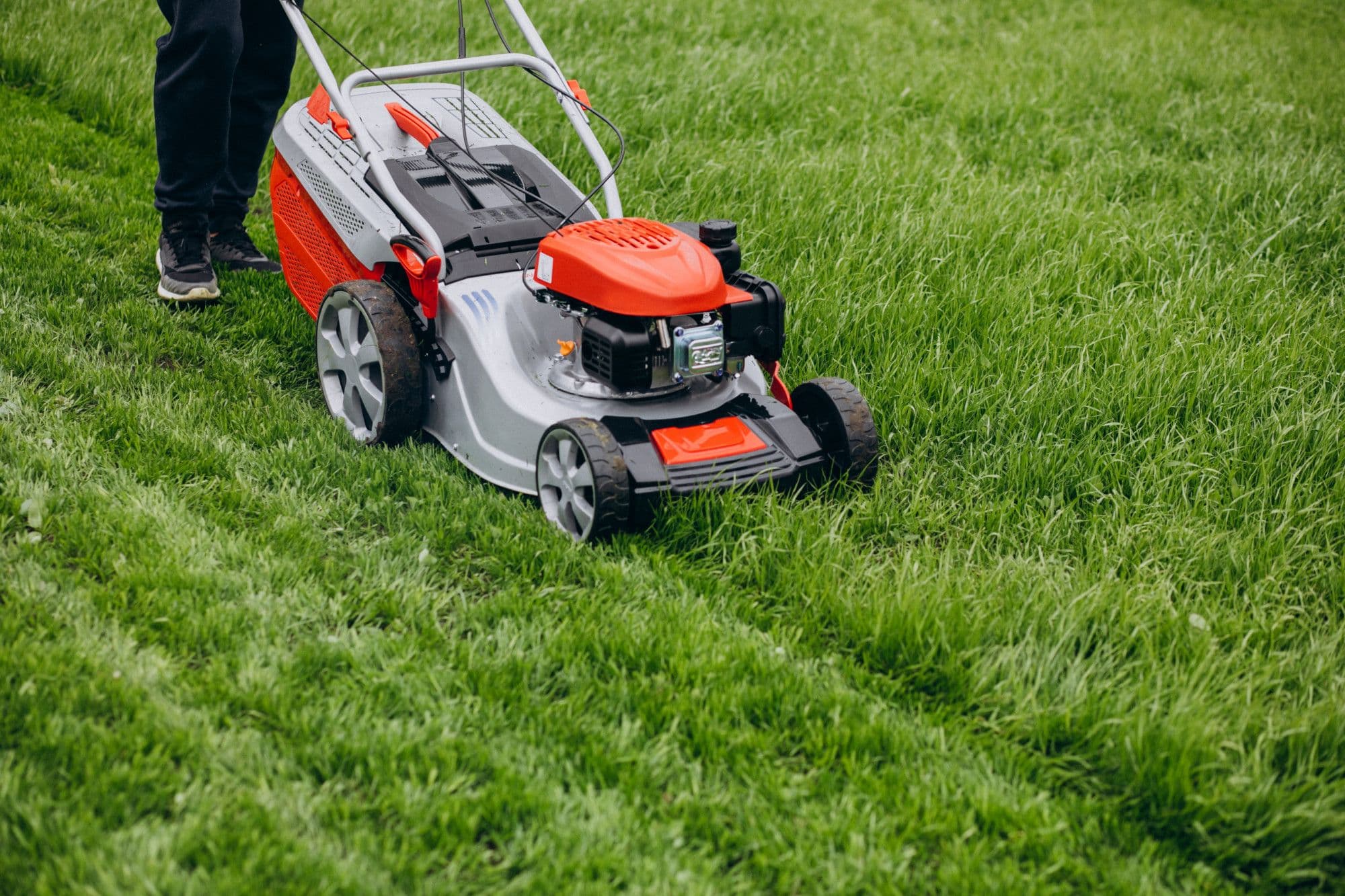
Explore when to mow your lawn for its health and a pleasant green color. Find out the best time for this task during the summer heat, and follow practical tips for correctly cutting the grass, and learn common mistakes to avoid.

Plant Care

Best Time to Mow Lawn – A Complete Guide
12 Best Landscaping Trees for Your Garden

8 min read · 6 Oct 2026

12 Best Landscaping Trees for Your Garden

Choosing the landscape tree depends on what your garden needs most. These 12 options include compact flowering specimens, colorful deciduous trees, shade varieties, and evergreens suitable for screening and year-round structure.

Plant Recommendations
12 Best Landscaping Trees for Your Garden
How to Bottom Water Plants: Complete Guide

6 min read · 13 Jul 2026

How to Bottom Water Plants: Complete Guide

Bottom watering helps soil absorb moisture evenly and keeps foliage dry, reducing the risk of missed dry spots or root problems. Place the pot in a tray of water for a short time, then let it drain well.

Plant Care
How to Bottom Water Plants: Complete Guide