




Best Soil for Blue star fern (Phlebodium aureum)

For strong root growth, Phlebodium aureum needs a loose, organic-rich mix that stays lightly moist without becoming heavy or airless.

Soil Texture

Loamy, Peaty, Organic-rich

Soil pH

Acidic (5.5–6.5), Slightly acidic (6.5–7.0)

Soil Drainage

Moist but well-drained

Phlebodium aureum Soil Guide

Native to tropical and subtropical parts of the Americas, Phlebodium aureum grows in humid forests where roots stay airy but not dry for long. That background explains why Blue star fern soil should hold steady moisture while still draining freely.

Its creeping rhizomes sit near the surface and benefit from a loose, organic-rich substrate with good airflow. The best soil for Blue star fern feels soft, loamy, and slightly acidic to near neutral, with enough peat-like organic matter to retain moisture without becoming dense or soggy.

A custom mix helps Phlebodium aureum stay evenly rooted without becoming dense. Use a blend that balances moisture retention with air space.

100% total mix = 20 scoops
10%
compost or worm castings2 scoops
20%
perlite or pumice4 scoops
30%
fine orchid bark6 scoops
40%
coco coir or peat moss8 scoops

The finished mix should feel fluffy, slightly fibrous, and easy to squeeze apart, with water moving through it steadily rather than pooling.

A slightly acidic to mildly acidic range around 5.5–6.8 suits Blue star fern well. In that range, key nutrients stay more available to the roots without pushing the mix too far toward alkalinity.

This species can handle a small amount of variation, but staying near that range supports steadier nutrient uptake and more balanced growth over time.

This fern can react poorly when the root zone stays stale or compressed for too long. Check soil conditions early if growth starts to slow.

Compacted mix:

If the surface hardens and water stops soaking in evenly, gently loosen the top layer and consider refreshing part of the mix.

Soggy root zone:

If the container stays heavy for days and the mix smells stale, improve airflow around the roots and reduce how long excess moisture sits.

Dry pockets:

If water runs down the sides and parts of the mix stay dusty, rehydrate the soil slowly and evenly so it can absorb moisture again.

Salt buildup:

If a crust forms on the soil surface in Blue star fern pots, flush the mix thoroughly once and remove the top crusted layer if needed.

Scan. Match. Grow.

Botan helps match the plant and guide soil choices so the mix, texture, and drainage are a better fit from the start.

FAQ

Yes. Drainage holes help excess water leave the container so the root zone stays more balanced. That matters because this species prefers consistent moisture without trapped saturation in the lower mix.

Everything About Blue star fern

More Plant Soil Guides

Scan for Soil Problems

Use Botan’s photo check to see whether soil conditions may be part of the problem and what to review next.

Botan app helping with soil and plant care
How To Revive a Dying Plant: 6 Steps To Bring A Plant Back To Life

6 min read · 1 Sept 2026

How To Revive a Dying Plant: 6 Steps To Bring A Plant Back To Life

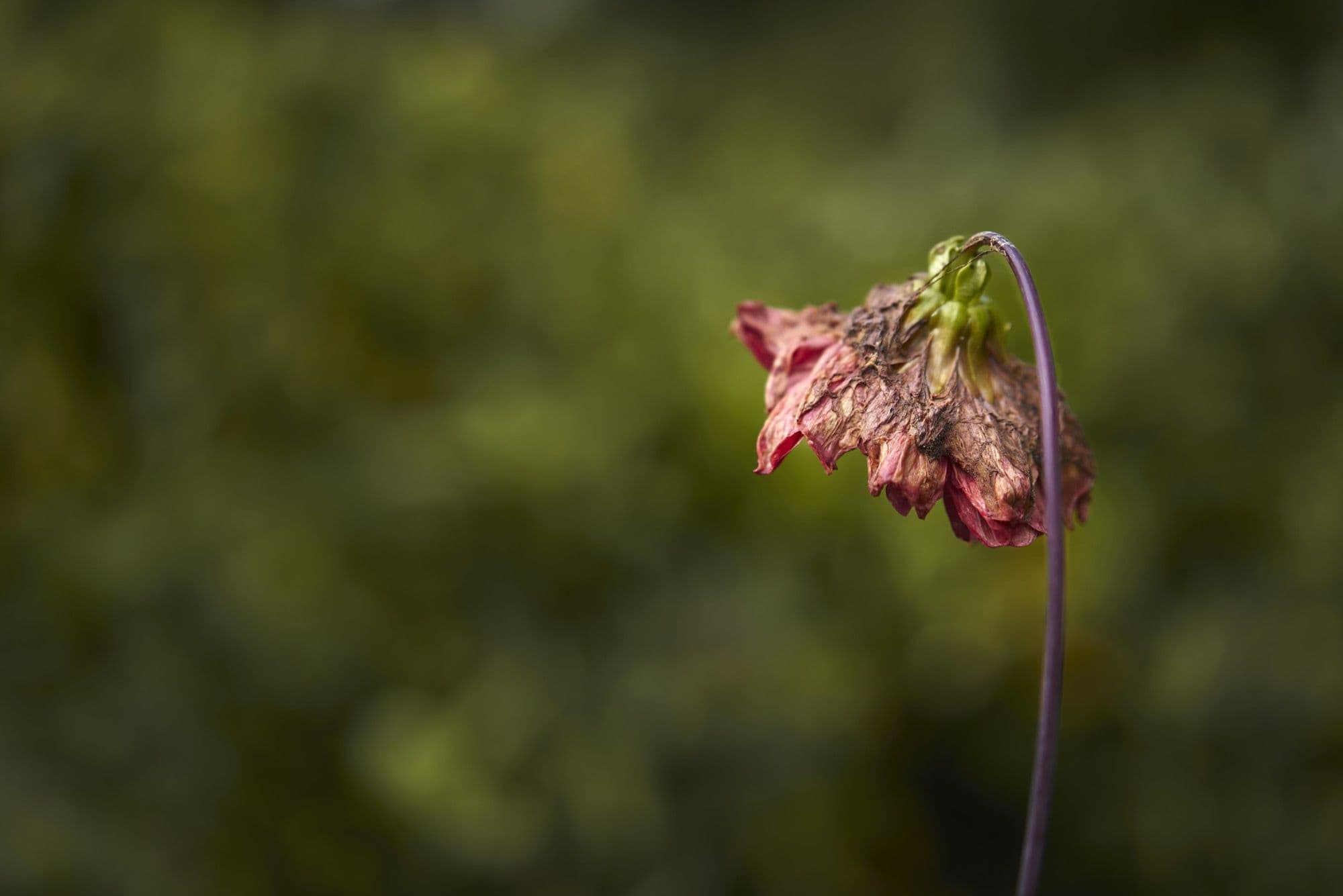
Drooping leaves and brown tips don't always mean the end, and a weakened plant can often recover with a little help. These six simple steps will help you revive a dying plant and restore its health.

Plant Care
How To Revive a Dying Plant: 6 Steps To Bring A Plant Back To Life
Planting Grass Seed in Summer – What Works and What Fails

7 min read · 6 Aug 2026

Planting Grass Seed in Summer – What Works and What Fails

Summer seeding succeeds when the grass type suits the season, and the soil stays moist. Find out how to prepare the seedbed and choose a safe window for planting.

Plant Care
Planting Grass Seed in Summer – What Works and What Fails
Rice Water for Plants – Which Plants Love It and How to Make It

8 min read · 14 Jul 2026

Rice Water for Plants – Which Plants Love It and How to Make It

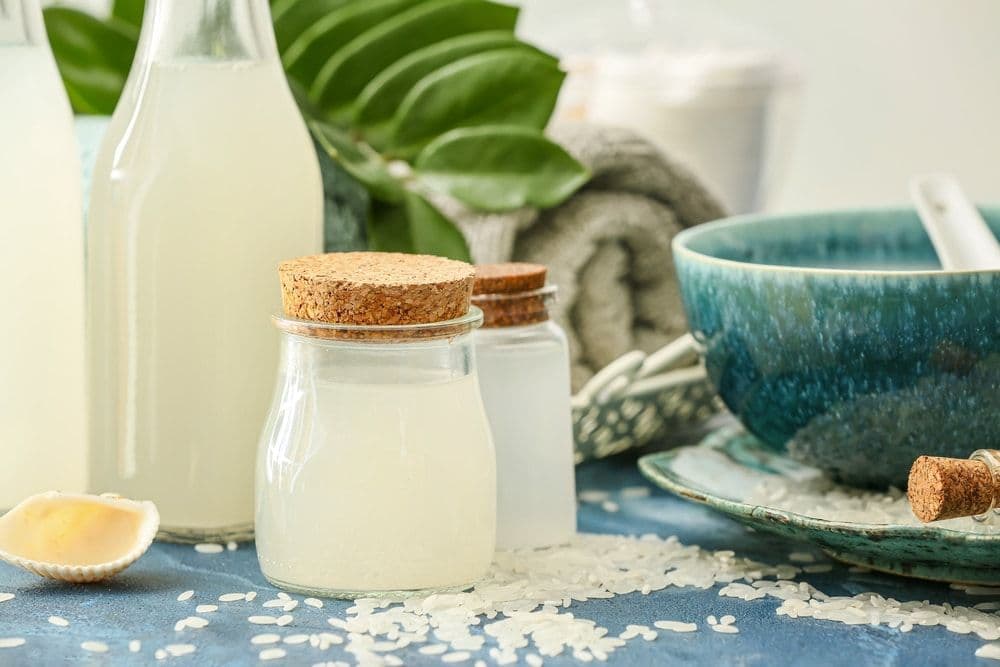
Rice water can be an ideal DIY solution for orchids, roses, or fruiting plants. It supports growth, leaf count, and height. We’ll share how to make and apply it correctly for your plant.

Plant Care
Rice Water for Plants – Which Plants Love It and How to Make It