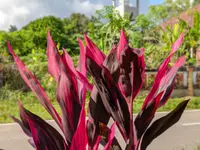




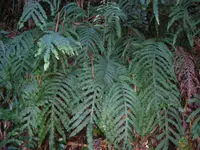

Best Soil for Ti Plant (Cordyline fruticosa)

For strong root growth, Cordyline fruticosa does best in a loose, organic-rich mix that stays lightly moist without becoming stagnant.

Soil Texture

Loamy, Sandy, Organic-rich

Soil pH

Acidic (5.5–6.5), Slightly acidic (6.5–7.0)

Soil Drainage

Moist but well-drained

Cordyline fruticosa Soil Guide

Native to tropical Southeast Asia and the western Pacific, Cordyline fruticosa grows in warm, humid conditions where soil stays lightly moist but does not remain soggy. That background explains its preference for loose, organic-rich ground that holds some moisture while still draining freely.

A loamy to sandy texture suits its fibrous root system because roots need both steady moisture and air around them. The best soil for Ti Plant is slightly acidic to acidic, with enough organic matter to support even moisture and enough openness to prevent heavy, compacted conditions.

A custom mix gives Cordyline fruticosa the balance of moisture retention and air space it needs in containers.

100% total mix = 20 scoops
10%
composted bark2 scoops
20%
perlite or pumice4 scoops
30%
coco coir or peat moss6 scoops
40%
high-quality potting soil8 scoops

The finished blend should feel light and springy, hold together loosely when squeezed, and drain evenly without turning heavy or muddy.

A slightly acidic to acidic range of about 5.5–6.5 pH suits Ti Plant best. In that range, key nutrients stay more available to the roots, which supports steady leaf and stem growth.

It can usually handle soil that is a little closer to neutral, but strongly alkaline conditions may reduce nutrient uptake over time.

This species can react poorly when the root zone stays stressed for long periods. Check the growing medium first when growth seems off.

Compacted soil:

Dense, tight media can limit air around the roots; gently loosen the surface and consider replacing part of the mix if it stays hard after drying slightly.

Soggy conditions:

A heavy, wet root zone can linger too long in containers; pause extra moisture, confirm drainage is open, and assess whether the mix is breaking down.

Hydrophobic mix:

If dry soil shrinks from the pot edge or water runs straight through, rewet it slowly in stages so the root ball can absorb moisture again.

Salt buildup:

White crust on the surface may point to accumulated minerals; scrape off the top layer and flush with fresh water if the container drains freely.

Match Plant to Soil

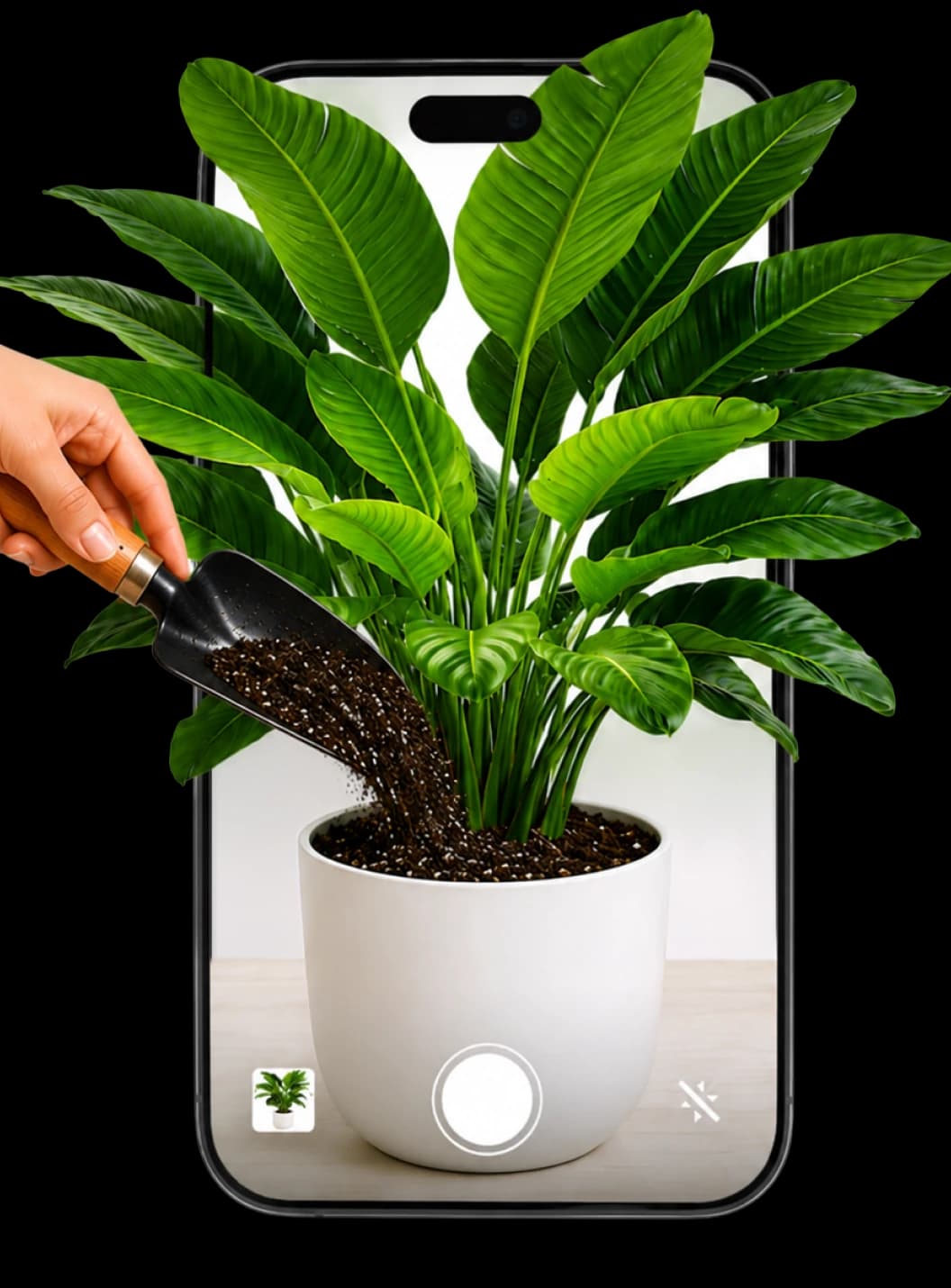
Botan helps match this plant to a suitable growing medium, so soil choices are based on its needs, not guesswork.

FAQ

Yes. Drainage holes help excess water leave the container so the root zone stays aerated. Without them, the mix can remain saturated too long and break down faster.

More Plant Soil Guides

Is Your Soil the Problem?

Soil may be one factor behind visible decline. Botan’s photo-based assessment can help you check whether the growing medium is worth a closer look.

Botan app helping with soil and plant care
How Fast Does Bamboo Grow Per Day, Month, and Year

10 min read · 7 Jul 2026

How Fast Does Bamboo Grow Per Day, Month, and Year

Bamboo grows extremely fast: some species can reach 5-6 m in just 3-4 months under the right conditions. This guide explains how much bamboo can grow per day, week, and year, and what affects its growth rate.

Plant Recommendations
How Fast Does Bamboo Grow Per Day, Month, and Year
How To Revive a Dying Plant: 6 Steps To Bring A Plant Back To Life

6 min read · 1 Sept 2026

How To Revive a Dying Plant: 6 Steps To Bring A Plant Back To Life

Drooping leaves and brown tips don't always mean the end, and a weakened plant can often recover with a little help. These six simple steps will help you revive a dying plant and restore its health.

Plant Care
How To Revive a Dying Plant: 6 Steps To Bring A Plant Back To Life
Dill Companion Plants – What to Grow Next to Dill

9 min read · 17 Jul 2026

Dill Companion Plants – What to Grow Next to Dill

Dill is an easy-to-grow plant that gets along well with many vegetables. This guide describes 15 plants that can be planted alongside it, a few to avoid, and mistakes that can quietly sabotage the entire process.

Plant Recommendations
Dill Companion Plants – What to Grow Next to Dill