

Ti Plant (Cordyline fruticosa) Light Needs

Ti Plant grows best in bright indirect or filtered light, with a few hours of gentle direct sun.

Light Preference

Bright Indirect Light

Cordyline fruticosa Light Requirements

Cordyline fruticosa is native to warm, humid tropical regions of Southeast Asia and the western Pacific, where it grows in forest margins, clearings, and cultivated landscapes. In these settings, leaves may receive strong filtered light, partial shade, and periods of direct sun, especially when plants grow in open sites. Cultivated plants usually keep better color with bright filtered light. Preferred light is bright indirect or filtered light.

  • Ideal exposure:

    Ti Plant needs about 6–8 hours of bright indirect or filtered light daily, including 2–3 hours of gentle direct morning sun.

  • Direct sun:

    Mature, acclimated plants can handle more direct sun outdoors, but sudden hot afternoon exposure can scorch leaves.

  • Lower light:

    It tolerates shade for a time, though growth slows and leaf color often becomes less vivid.

  • Afternoon risk:

    Strong west or summer south exposure is safest when softened by distance, shade cloth, or a sheer curtain.

Indoors, place it where daylight is bright for most of the day but not harsh against the leaves.

NConditional
North-facing window:

A north-facing window is usually too dim unless it is large, unobstructed, and the brightest available spot.

EBest
East-facing window:

An east-facing window is often best because it provides gentle morning sun and bright light without intense afternoon heat.

SConditional
South-facing window:

A south-facing window can work if the plant is set 2–5 ft back or the glass is filtered during direct midday sun.

WConditional
West-facing window:

A west-facing window can be too hot in summer; use a sheer curtain or keep the plant several feet from the glass.

Adjust placement if color fades, new growth weakens, or sun-facing leaves develop pale scorched patches.

Excess light usually shows on the most exposed leaves first.

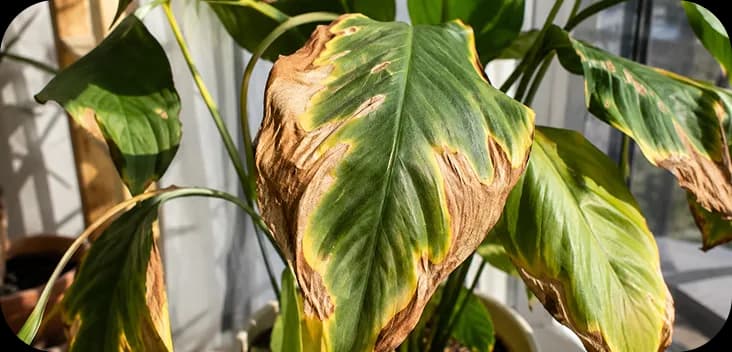
Pale bleached areas:

Leaves may develop tan, cream, or washed-out patches where direct sun hits them through glass or outdoors.

Crisp sun-facing spots:

Burned areas often appear on the upper or window-facing side rather than evenly across the plant.

Faded leaf color:

Bright colors can look dull or flat after repeated exposure to strong afternoon sun.

Curling in heat:

Leaves may curl or angle away during hot direct sun, especially after a sudden move.

Move Cordyline fruticosa out of harsh midday or afternoon rays. Keep bright light, but filter it or increase the distance from the glass.

Low light usually changes growth before it causes serious decline.

  • Leaning growth:

    Stems may angle toward the nearest bright source instead of growing evenly upright.

  • Wider spacing:

    New leaves can form farther apart, giving the plant a stretched look.

  • Muted color:

    Red, pink, or variegated tones may become greener or less defined.

  • Small new leaves:

    Fresh growth may emerge narrower or smaller during the active season.

Move Cordyline fruticosa to brighter indirect light gradually. Avoid shifting it straight from shade into strong direct sun.

If ideal light is limited, choose the brightest location that avoids hot afternoon rays. A spot with steady filtered light is usually a better compromise than deep shade.

Move the pot 1–3 ft at a time and watch new growth for 2–3 weeks. Rotate the plant every week so all sides receive similar light.

A dark corner is not a suitable long-term setup because color and new growth usually weaken there.

Get Personalized Care Plan

Scan your plant to receive care tips personalized for your specific plant

FAQ

Bright indirect or filtered light is best, with several hours of strong daylight and some gentle morning sun. It can tolerate shade, but color and growth are usually better in brighter conditions.

Everything About Ti Plant

More Plant Light Guides

Get the Botan App

Discover how to care for your plants with Botan.

Botan app identifying a plant with a phone camera
13 Best Front Yard Trees for Every Home and Yard

12 min read · 7 Aug 2026

13 Best Front Yard Trees for Every Home and Yard

A front yard tree can stay for decades. Therefore, choosing one deserves serious consideration. Here are 13 trees that have proven themselves, sorted by their purpose. You'll also find five species to avoid and basic planting information.

Plant Recommendations
13 Best Front Yard Trees for Every Home and Yard
Best Water for Plants – How to Choose the Right Type

7 min read · 13 Aug 2026

Best Water for Plants – How to Choose the Right Type

Rainwater, filtered, distilled, and tap water affect plants differently. Learn which types support healthy growth and which cause slow damage. Match each to your plants and discover how to easily improve tap water quality.

Plant Care
Best Water for Plants – How to Choose the Right Type
Rice Water for Plants – Which Plants Love It and How to Make It

8 min read · 14 Jul 2026

Rice Water for Plants – Which Plants Love It and How to Make It

Rice water can be an ideal DIY solution for orchids, roses, or fruiting plants. It supports growth, leaf count, and height. We’ll share how to make and apply it correctly for your plant.

Plant Care
Rice Water for Plants – Which Plants Love It and How to Make It