Ti Plant (Cordyline fruticosa) Watering Guide

This page explains when, how often, and how much to water Cordyline fruticosa in straightforward, practical terms.

Water Requirements

Keep Soil Moist

Cordyline fruticosa Watering

In its tropical Pacific habitats, Cordyline fruticosa experiences regular rainfall and humid air rather than long dry spells. Indoors, watering Ti Plant means keeping soil slightly moist, not saturated, while allowing the top to lose some surface dampness.

Outdoors in warm climates, it benefits from somewhat steadier ground moisture than typical drought‑tolerant landscape plants. This section outlines how to water Ti Plant in simple terms before covering finer adjustments for different environments.

Water when the top 1–2 inches (3–5 cm) of soil feel dry, rather than on a fixed schedule. Indoors, Cordyline fruticosa typically needs watering about once a week in warm, bright conditions, but lower light or cooler rooms can extend the interval between waterings.

Water Ti Plant when the top 1–2 inches (3–5 cm) of soil feel dry, using slow, even moisture throughout the pot.

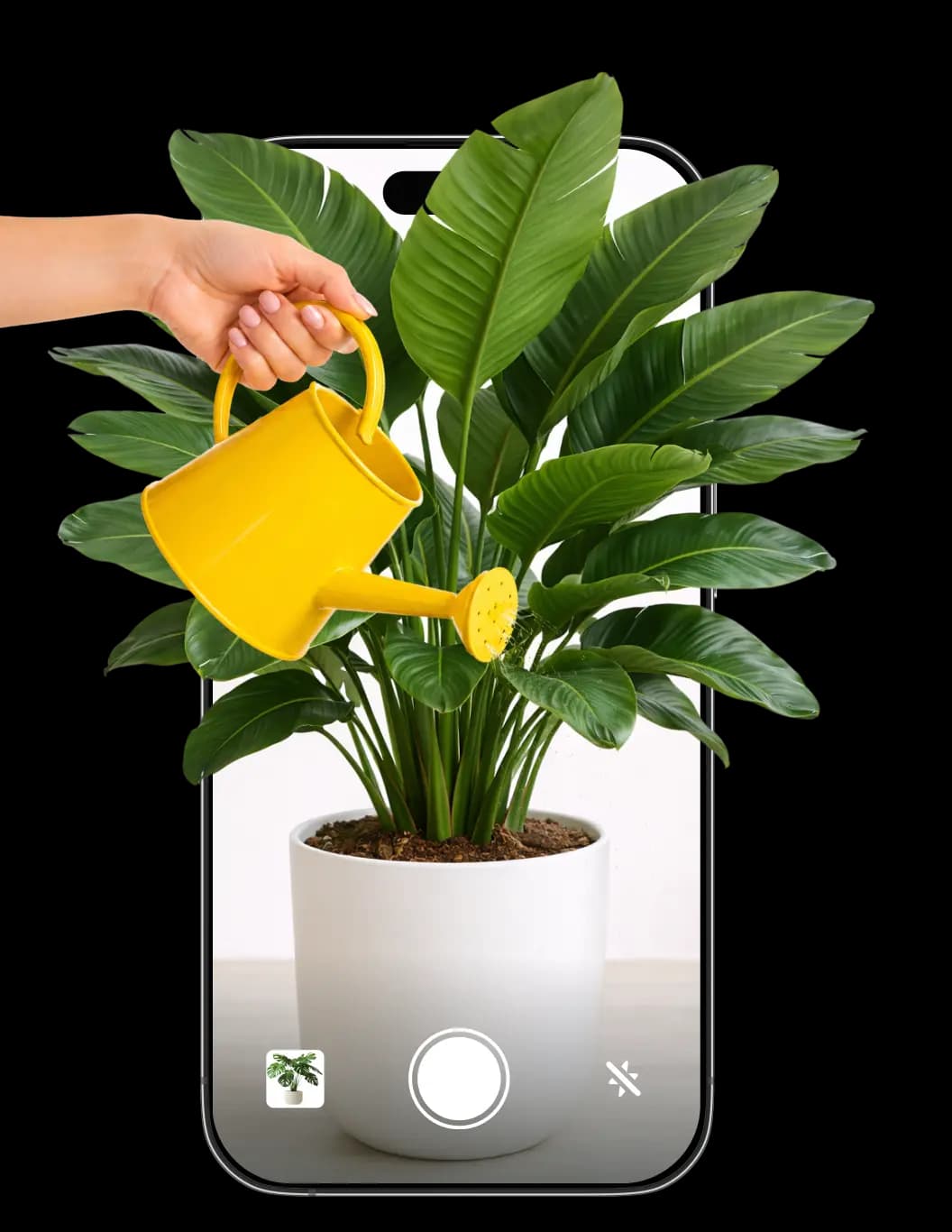
  • Pour room‑temperature water over the soil surface, circling the pot so moisture spreads evenly around the root zone.
  • Water until liquid runs from the drainage holes, confirming the entire root ball is thoroughly moistened.
  • Let the pot drain completely, then empty any saucer or cachepot so the container does not sit in standing water.
  • Keep water directed at the soil only, avoiding the crown and leaves to reduce moisture collecting in tight leaf bases.

Incorrect moisture levels often trigger health issues for Cordyline fruticosa in home conditions.

Yellowing Lower Leaves:

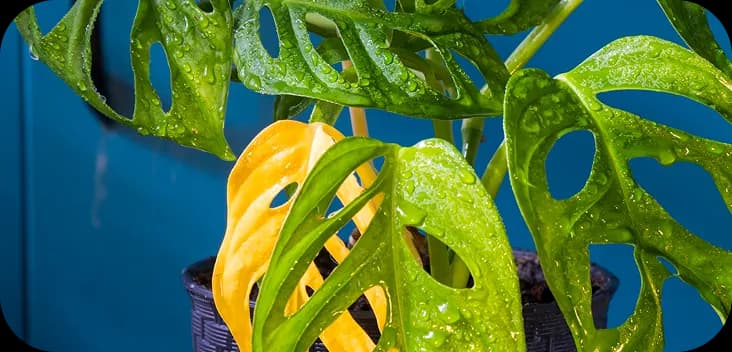
Older leaves gradually turn yellow from the base when soil stays slightly too wet for long periods.

Brown Leaf Tips:

Crisp, brown margins or tips often result from underwatering combined with low indoor humidity.

Drooping Or Folding Foliage:

Limp, folding leaves usually signal either prolonged dryness or suddenly waterlogged, compacted potting mix.

Soft, Mushy Stems:

Squashy stems with a sour smell indicate chronic overwatering and developing root rot in the container.

Sour, Heavy Soil:

Persistently soggy, foul-smelling mix points to poor drainage and the need for prompt repotting.

Keep the root zone evenly moist in a freely draining mix, avoiding extremes of soggy or bone-dry soil.

Unsuitable watering habits disrupt Cordyline fruticosa’s moisture balance, making it less resilient to indoor stress and changing household conditions.

  • Following a fixed schedule: Watering by calendar instead of checking soil moisture leads to stress; test the top layer and adjust timing to conditions.
  • Using heavy, dense soil: Planting in poorly draining mix keeps roots wet too long; choose a loose peat- or coco-based blend with added perlite.
  • Letting runoff sit in saucers: Leaving the pot standing in collected water suffocates roots; empty saucers promptly after each deep watering.

Prioritize responsive watering based on soil feel, paired with good drainage, to keep ti plant roots evenly moist but not saturated.

  • Spring: Growth usually picks up, so check soil more often and water when the top layer dries, avoiding prolonged wetness.
  • Summer: In heat or strong light, soil can dry faster, so monitor moisture closely and increase watering only when the top feels dry.
  • Fall: As growth slows, let the topsoil dry a bit longer between waterings to reduce root stress and excess moisture.
  • Winter: In cooler rooms or low light, growth is slower, so water less often and keep soil just lightly moist, never soggy.

Your Ti Plant Care Companion

Use Botan for a simple watering guide and care routines tailored to your Ti Plant or Cordyline fruticosa, plus gentle photo-based checks that help flag emerging leaf or stem issues early.

Botan plant care app — identify plants on mobile

Interesting Watering Facts

Wet‑forest native

Cordyline fruticosa is native to humid, high‑rainfall tropical forests in the Pacific and Southeast Asia, where soils stay evenly moist but not waterlogged, which is why cultivated plants tend to grow best with consistently moist, well‑drained substrates rather than pronounced dry periods.


High humidity tolerance

In its native range, Cordyline fruticosa often grows in air humidity above 70%, and its broad, leathery leaves are adapted to shedding frequent rainfall while limiting water loss, which explains its preference for humid indoor or greenhouse conditions compared with many other houseplants.

Susceptible to root rot

Wild populations of Cordyline fruticosa are frequently found on sloping or well‑drained sites, and the species is notably prone to root rot in stagnant water, reflecting its adaptation to steady moisture combined with good drainage rather than saturated, anaerobic soils.

FAQ

Water when the top inch of soil feels barely dry, using room‑temperature, low‑mineral water. Pour slowly over the soil surface until excess drains out, then empty the saucer to avoid root problems and mineral buildup.

Everything About Ti Plant

More Plant Watering Guides

Is Your Watering Routine Hurting Your Ti Plant?

Use Botan to review watering patterns and keep moisture levels more consistent over time.

Watering a plant with a copper watering can
13 Best Front Yard Trees for Every Home and Yard

12 min read · 7 Aug 2026

13 Best Front Yard Trees for Every Home and Yard

A front yard tree can stay for decades. Therefore, choosing one deserves serious consideration. Here are 13 trees that have proven themselves, sorted by their purpose. You'll also find five species to avoid and basic planting information.

Plant Recommendations
13 Best Front Yard Trees for Every Home and Yard
Best Water for Plants – How to Choose the Right Type

7 min read · 13 Aug 2026

Best Water for Plants – How to Choose the Right Type

Rainwater, filtered, distilled, and tap water affect plants differently. Learn which types support healthy growth and which cause slow damage. Match each to your plants and discover how to easily improve tap water quality.

Plant Care
Best Water for Plants – How to Choose the Right Type
Rice Water for Plants – Which Plants Love It and How to Make It

8 min read · 14 Jul 2026

Rice Water for Plants – Which Plants Love It and How to Make It

Rice water can be an ideal DIY solution for orchids, roses, or fruiting plants. It supports growth, leaf count, and height. We’ll share how to make and apply it correctly for your plant.

Plant Care
Rice Water for Plants – Which Plants Love It and How to Make It