Wax Plant (Hoya carnosa) Watering Guide

This page explains when, how often, and how much to water Hoya carnosa for straightforward, everyday care.

Water Requirements

Low Water

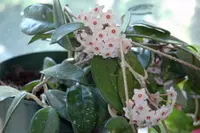
Hoya carnosa Watering

This vining houseplant evolved in seasonally dry, humid Asian forests, so it tolerates short dry spells better than constant wetness. Hoya carnosa prefers soil that dries slightly between waterings rather than staying continuously moist indoors.

Think of watering Wax Plant as occasional, moderate refreshment, not frequent soaking, with outdoor plants generally drying faster than indoor ones. This overview sets the stage for more specific guidance on how to water Wax Plant in different conditions.

Allow the top 1–2 inches (3–5 cm) of soil to dry before watering Hoya carnosa again. In bright indoor light, this typically means about every 10–21 days, but use soil dryness as the guide. Lower light or cooler rooms usually extend the interval between waterings.

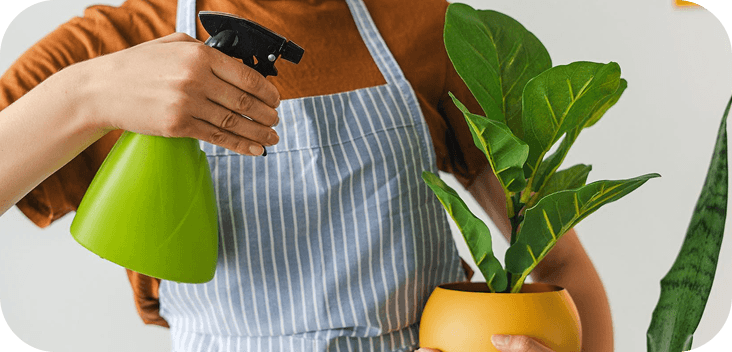
Water Wax Plant when the top 1–2 inches (3–5 cm) of soil feel dry, using a slow, even soak.

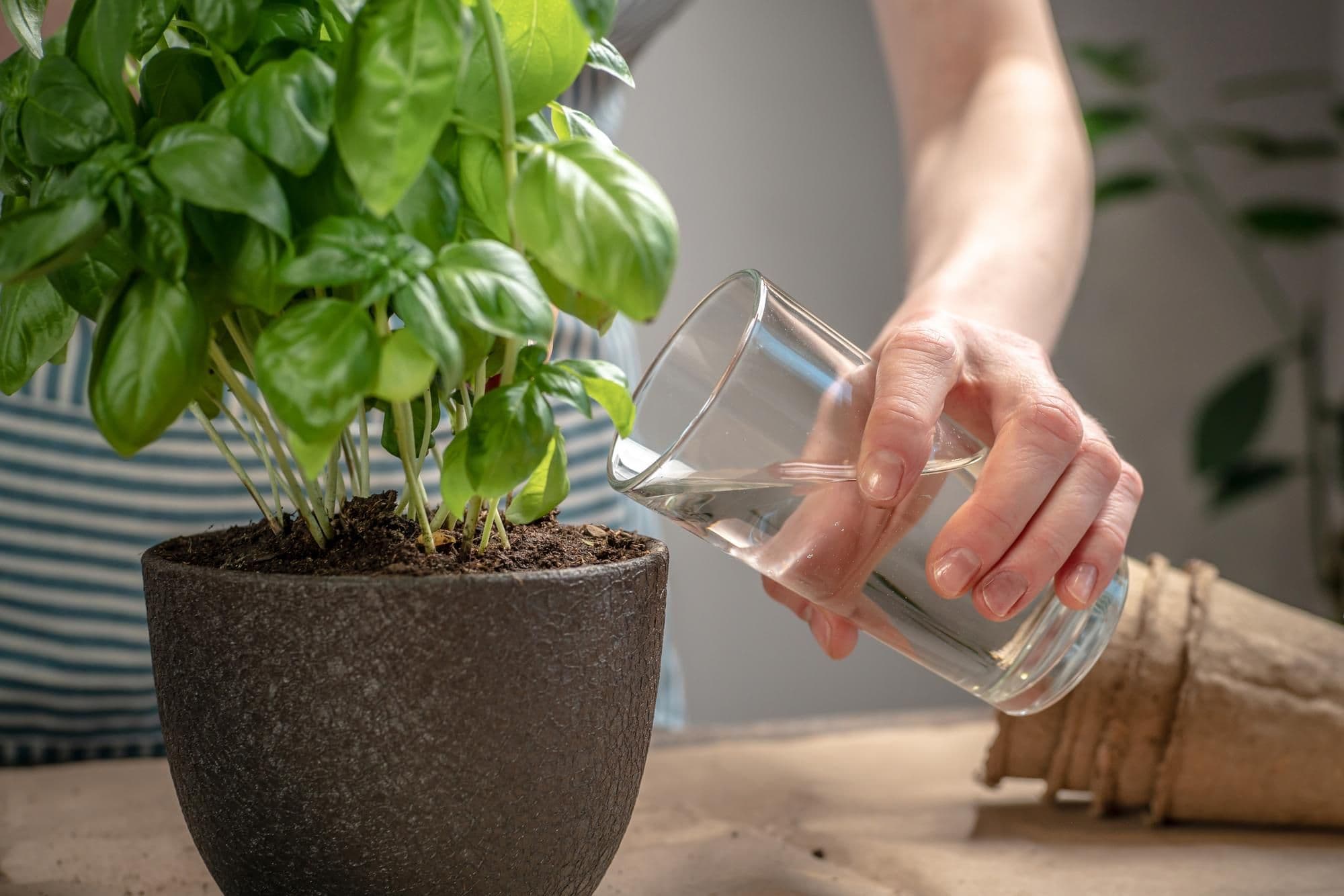
  • Pour room‑temperature water over the soil surface near the base, avoiding leaves and stems to reduce residue buildup.
  • Continue watering until moisture reaches all around the root zone and a small amount begins draining from the pot’s holes.
  • Let the pot drain completely over a sink or saucer, then discard any collected water after several minutes.
  • For bottom watering, stand the pot in a shallow tray of water, then remove once the upper soil feels evenly moist.

Incorrect moisture levels create stress and health problems for Hoya carnosa indoors or outdoors.

Wrinkled Or Soft Leaves:

Succulent leaves lose firmness when soil stays dry too long; water thoroughly, then drain well.

Yellowing Lower Leaves:

Oldest leaves yellow and drop when roots sit in persistently soggy, airless potting mix.

Brown Leaf Edges:

Crisp margins develop from underwatering, low humidity, or sudden moisture swings between drought and saturation.

Mushy Roots And Stems:

Black, soft roots signal rot from chronic overwatering or dense soil; trim damage and repot.

Pale Leaves With No Flowers:

Overly frequent light watering encourages foliage growth but limits bloom production and weakens roots.

Allow the potting mix to dry partly between deep waterings, keeping roots moist but never saturated.

Poor watering habits can slowly weaken Hoya carnosa, since this wax plant stores moisture in its fleshy leaves and roots.

  • Watering by calendar: Following a fixed schedule instead of checking soil moisture often keeps the mix wet too long; wait until the top dries first.
  • Dense, moisture‑holding soil: Using heavy potting soil without enough perlite or bark traps water around the roots; switch to a loose, chunky mix instead.
  • Letting runoff sit: Leaving water in the saucer after watering soaks the lower roots; empty the tray within a few minutes instead.

Aim for light, infrequent watering in a fast-draining mix, guided by soil dryness rather than dates or habit.

  • Spring: Active growth usually resumes; monitor faster drying mix and water when the top half feels dry, avoiding sudden shifts from winter routines.
  • Summer: In bright, warm conditions, pots may dry quickly; water thoroughly when nearly dry, but pause during heatwaves if leaves feel soft or wrinkled.
  • Fall: Growth gradually slows; extend the drying period slightly and reduce watering if light levels drop or indoor temperatures cool.
  • Winter: Often semi-resting in cooler, dimmer rooms; allow soil to dry deeper between light waterings, especially if kept below 65°F with limited sun.

Track Watering. Catch Problems Early

Use Botan to set a clear watering guide and care routine for your Hoya carnosa, and gently check plant health from photos so potential issues are noticed sooner.

Botan plant care app — identify plants on mobile

Interesting Watering Facts

Epiphytic drought tolerance

In the wild, Hoya carnosa often grows as an epiphyte on trees, where its roots experience fast‑draining, briefly wet conditions followed by dry periods. This growth habit underpins its strong tolerance for drying out between waterings indoors.

Semi‑succulent leaf storage

Hoya carnosa has thick, semi‑succulent leaves that store water, allowing the plant to bridge gaps between irregular rain events in its native habitats. This storage means consistently wet soil is more harmful than occasional underwatering.

Flowering after dry spells

Growers have long observed that Hoya carnosa often sets more peduncles and blooms after a slightly drier rest period, followed by resumed watering. This response reflects its adaptation to seasonal moisture shifts in its native range.

FAQ

Room‑temperature tap water that is low in chlorine and salts works well. If tap water is very hard or heavily treated, let it sit 24 hours or use filtered water to reduce leaf spotting.

More Plant Watering Guides

Is Your Watering Routine Hurting Your Wax Plant?

Botan reviews your watering pattern so adjustments are easier to make.

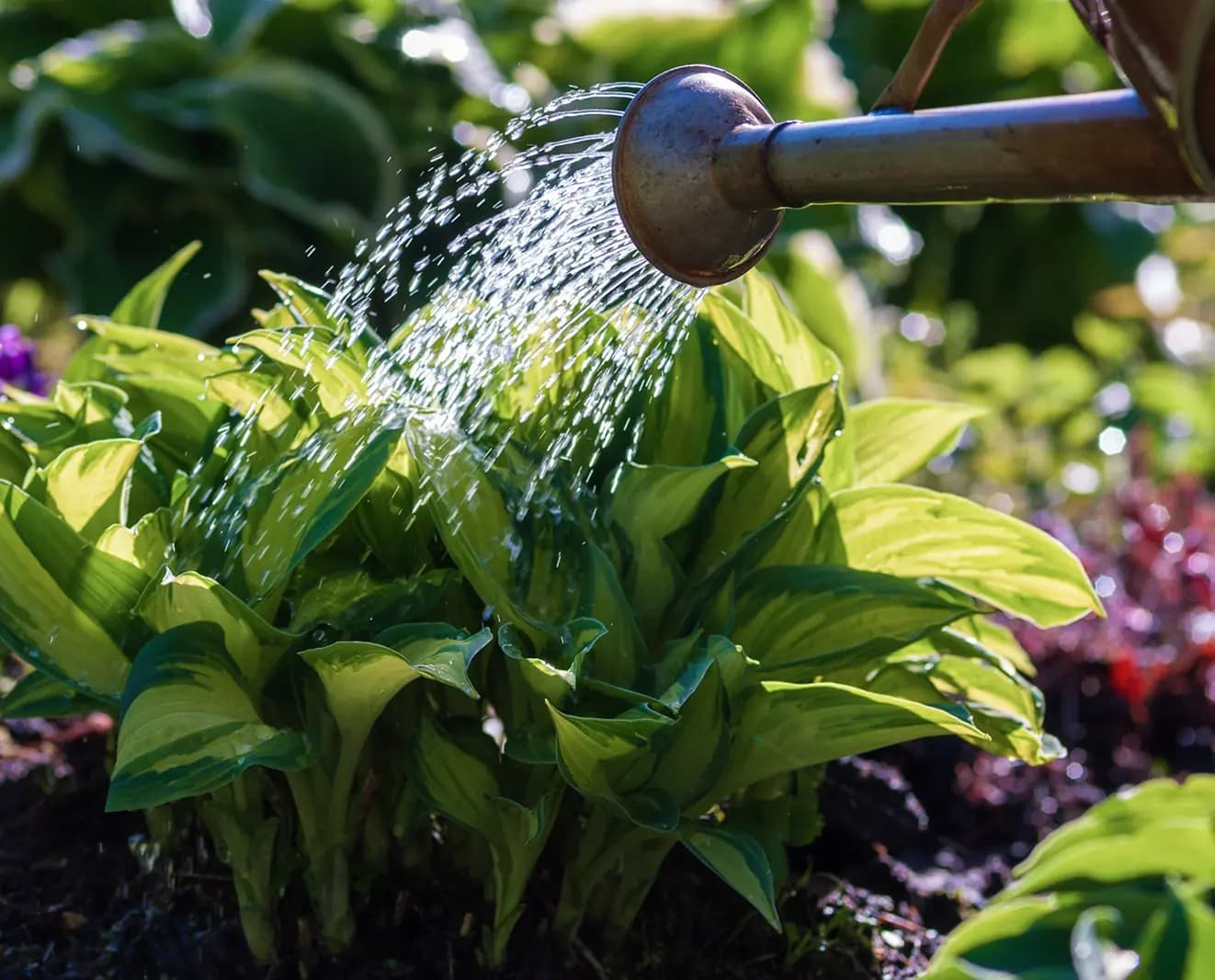
Watering a plant with a copper watering can
How Long Can Flowers Go Without Water? Everything You Need to Know

6 min read · 10 Jul 2026

How Long Can Flowers Go Without Water? Everything You Need to Know

Flowers can survive without water anywhere from 1-2 hours to several months, depending on the plant type, species, and growing conditions. Some strong-looking flowers are drought-sensitive, while delicate-looking plants may tolerate long dry periods surprisingly well.

Plant Care
How Long Can Flowers Go Without Water? Everything You Need to Know
How to Increase Humidity for Plants – 8 Simple Ways That Work

8 min read · 14 Aug 2026

How to Increase Humidity for Plants – 8 Simple Ways That Work

Dry indoor air stresses a lot of houseplants. You usually notice it first in the browning leaf tips. This guide describes 8 simple ways to raise the moisture around your plants, from humidifiers to pebble trays.

Plant Care
How to Increase Humidity for Plants – 8 Simple Ways That Work
What Plants Don't Like Epsom Salt?

11 min read · 29 Jul 2026

What Plants Don't Like Epsom Salt?

Learn which plants can be seriously damaged by Epsom salt and which will thrive on it. We’ll explain when and how to use it properly, provide tips for indoor & outdoor plants — read on and enjoy a healthy garden.

Plant Care
What Plants Don't Like Epsom Salt?