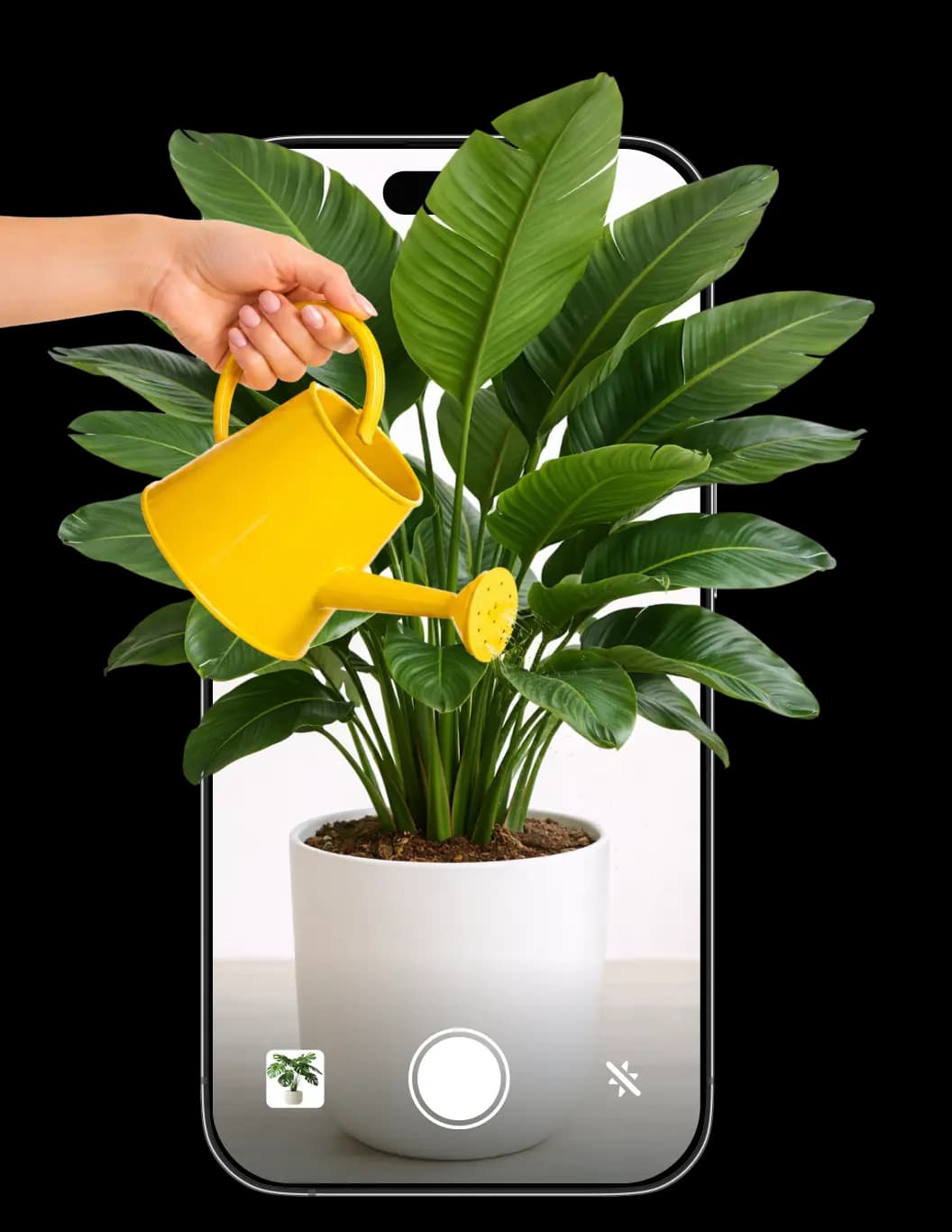
Heartleaf philodendron (Philodendron hederaceum) Watering Guide

This page explains when, how often, and how much to water Philodendron hederaceum for practical, consistent care.

Water Requirements

Moderate Water

Philodendron hederaceum Watering

Good watering for this popular indoor vine means steady moisture without soggy potting mix. In warm, humid Central and South American forests, Philodendron hederaceum grows where soil surface dries lightly between showers. Indoors, aim for that gentle cycle of slight drying, then re-moistening.

This overview of watering Heartleaf philodendron sets the stage for more detail on how to water Heartleaf philodendron effectively at home.

Water when the top 1–2 inches (3–5 cm) of soil feel dry. This usually works out to about every 7–10 days in bright indoor light, but treat it as a guideline, not a schedule. In lower light or cooler rooms, Heartleaf philodendron may need less frequent watering.

Water Heartleaf philodendron when the top 1–2 inches (3–5 cm) of soil feel dry, using slow, even watering.

  • Pour room‑temperature water over the soil surface around the base, keeping leaves and stems as dry as reasonably possible.
  • Add water gradually in a circular pattern so the entire root zone is moistened without creating strong streams or splashing.
  • Continue watering until liquid drains from the bottom holes, confirming the potting mix is thoroughly saturated throughout the container.
  • Empty saucers or cachepots within 10–15 minutes so the container does not sit in standing water after watering.

Incorrect moisture levels can quickly stress Philodendron hederaceum and trigger several avoidable problems.

Yellowing Lower Leaves:

Older leaves yellow and drop when soil stays wet too long, signaling chronic overwatering issues.

Wilting With Wet Soil:

Limp foliage despite damp mix often indicates developing root rot and restricted oxygen availability.

Crisp Brown Leaf Edges:

Dry, papery margins usually reflect underwatering or low humidity combined with extended dry soil.

Mushy Stems At Base:

Soft, collapsing nodes near the soil line point to prolonged saturation and advancing stem rot.

Maintain lightly moist, airy soil with thorough watering then partial drying, avoiding prolonged extremes of wetness or drought.

Unsuitable watering habits easily stress Philodendron hederaceum, weakening growth and making a normally forgiving Heartleaf philodendron less resilient indoors.

  • Watering by calendar: Following a fixed schedule ignores changing light and temperature; instead, water when the top soil feels dry and lighter in weight.
  • Heavy or compact soil: Using dense potting mix keeps roots wet too long; switch to a chunky, fast-draining blend with perlite or bark added.
  • Letting runoff sit: Leaving water in the saucer keeps roots constantly damp; drain excess a few minutes after watering so oxygen reenters the root zone.

Pay attention to soil moisture, potting mix, and drainage so this species receives deep but infrequent drinks rather than constant dampness.

  • Spring: New growth usually resumes, so monitor soil more often and water when the top 1–2 inches feel dry, avoiding constant moisture.
  • Summer: In warm, bright rooms, water more frequently but allow partial drying; in cool, low-light spaces, watering may stay similar to spring.
  • Fall: As light and growth slow indoors, extend the drying period slightly and reduce how often the soil is re-wetted.
  • Winter: Growth often pauses under short days; water sparingly, letting the mix dry deeper, but prevent complete bone-dry conditions for long periods.

Your Heartleaf philodendron Care Companion

Use Botan for a simple watering guide and practical care steps for your Heartleaf philodendron, plus gentle photo-based checkups that can flag early signs of stress or emerging plant issues.

Botan plant care app — identify plants on mobile

Interesting Watering Facts

Rainforest canopy origins

Philodendron hederaceum naturally grows as a climbing aroid in Central and South American rainforests, where roots cling to damp bark rather than sit in standing water. This epiphytic tendency explains its strong dislike of waterlogged potting mix indoors.


Adapts to brief dryness

In its native habitat, this species experiences short dry spells between tropical rains. It copes by slightly slowing growth and drawing on moisture held in its thickened, somewhat succulent stems, which is why it generally prefers partial drying of the potting mix over constant saturation.

FAQ

Water when the top 1–2 inches of soil feel dry, rather than on a fixed schedule. In bright, warm rooms this may be every 5–7 days; in lower light, closer to 10–14 days.

More Plant Watering Guides

Is Your Watering Routine Hurting Your Heartleaf philodendron?

Use Botan to review watering habits and see if moisture levels stay on track.

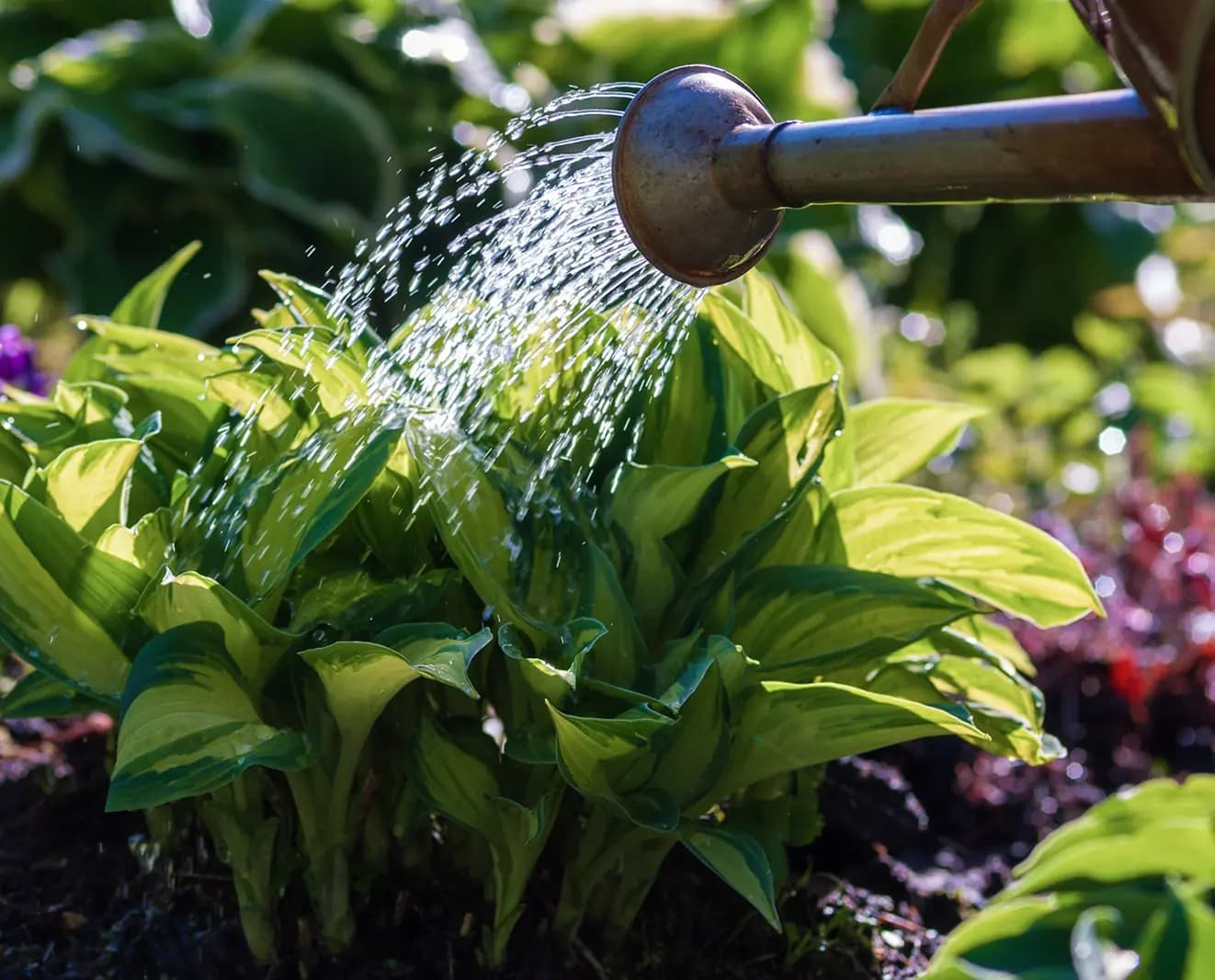
Watering a plant with a copper watering can
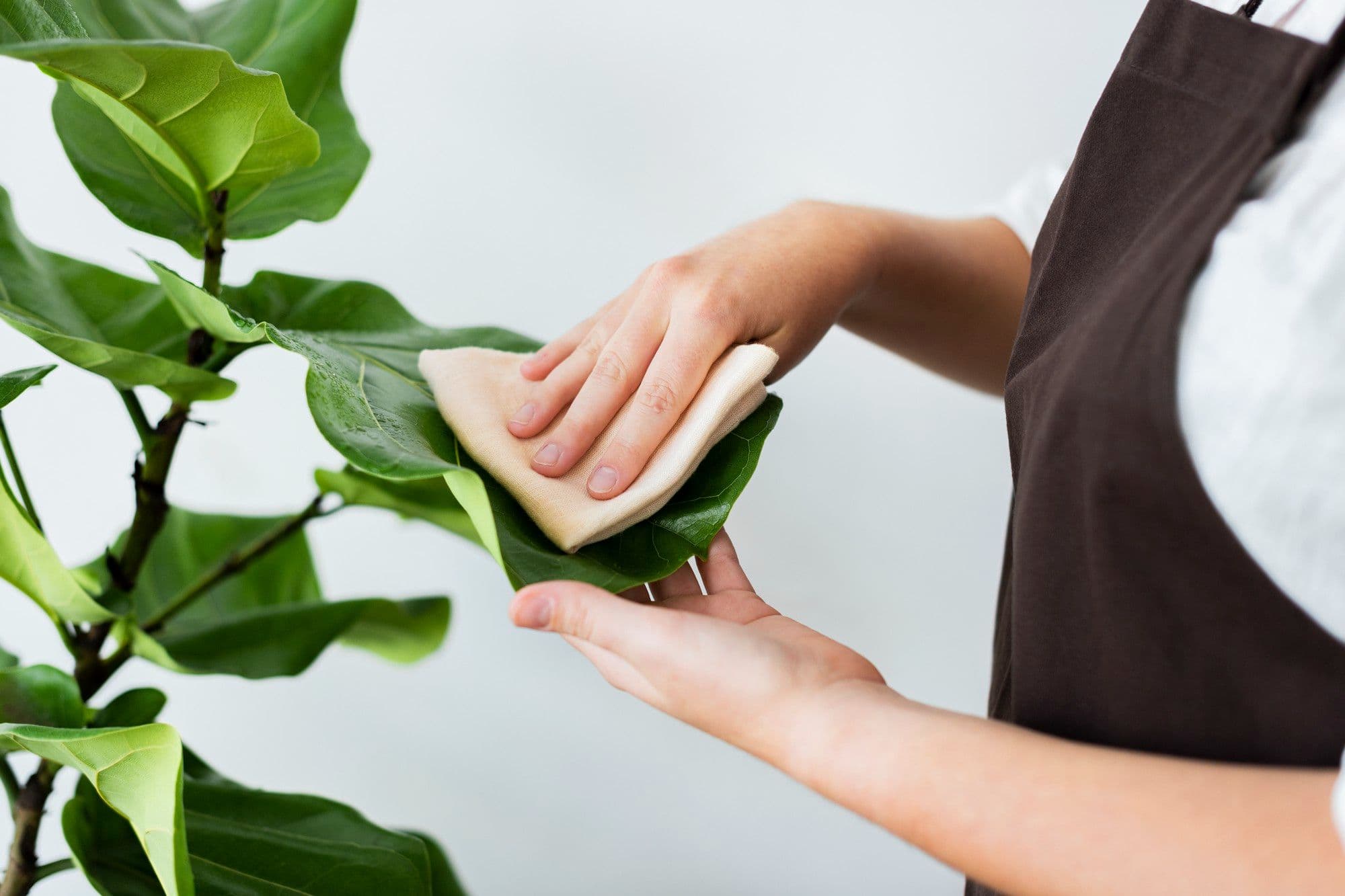
How to Clean Plant Leaves: A Simple Care Guide

6 min read · 4 Aug 2026

How to Clean Plant Leaves: A Simple Care Guide

Dusty leaves look dull and don't absorb light well. Below, you'll find simple ways to clean them, which tools are truly effective, how often you should do it, and what causes damage.

Beginner Guides
How to Clean Plant Leaves: A Simple Care Guide
12 Best Plants That Repel Spiders For Your Home and Garden

8 min read · 24 Jul 2026

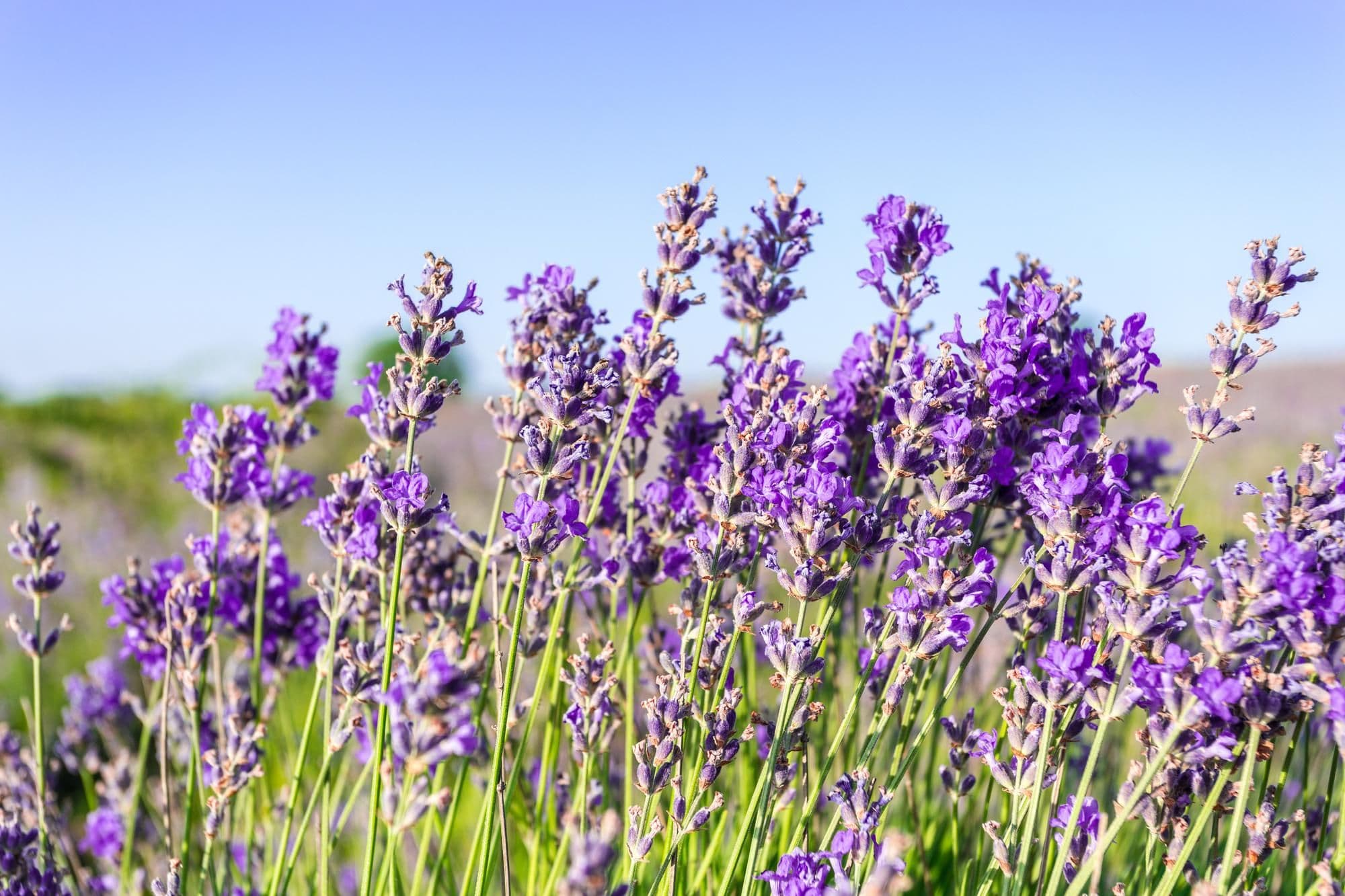
12 Best Plants That Repel Spiders For Your Home and Garden

Spiders constantly appear in places you don't want them. A few common plants can help repel them using scent alone. Here are 12 options suitable for both indoors and outdoors, plus care tips for each.

Plant Recommendations
12 Best Plants That Repel Spiders For Your Home and Garden
10 Easy Garden Flowers to Grow

8 min read · 10 Sept 2026

10 Easy Garden Flowers to Grow

Discover 10 garden flowers that require minimal care. Learn which characteristics make plants easy to grow and follow tips on how to create a beautiful corner from beginner-friendly blooms on your property.

Beginner Guides
10 Easy Garden Flowers to Grow