Philodendron cordatum Watering Guide

This page explains when, how often, and how much to water Philodendron cordatum for steady, healthy growth.

Water Requirements

Moderate Water

Philodendron cordatum Watering

Native to humid tropical forests, this vining plant is adapted to lightly moist, never saturated, soil conditions. Watering Philodendron cordatum centers on keeping the root zone evenly damp, then allowing a brief partial dry-out.

Indoors, aim for gentle, consistent moisture that responds to room temperature and light. For outdoor containers, expect slightly quicker drying and adjust frequency modestly, using the same moist-then-partially-dry rhythm as a guide to how to water Philodendron cordatum.

Water when the top 1–2 inches (3–5 cm) of soil feel dry, using that dryness as the signal for the next watering. This typically works out to about every 7–12 days indoors. Brighter light or warmer summer conditions shorten the interval, while lower light or cooler rooms extend it.

Water Philodendron cordatum when the top 1–2 inches (3–5 cm) of potting mix feel dry and slightly lighter.

  • Pour room-temperature water slowly over the soil surface, circling the pot so the entire root zone is evenly moistened.
  • Continue adding water until it drains freely from the bottom holes, confirming the full depth of the pot has been reached.
  • Empty saucers or cachepots within 10–15 minutes so the container does not sit in standing water.
  • Keep water directed at the soil only, leaving leaves and stems dry to reduce unnecessary surface moisture on the plant.

Incorrect moisture balance can stress Philodendron cordatum, leading to visible growth and foliage problems indoors.

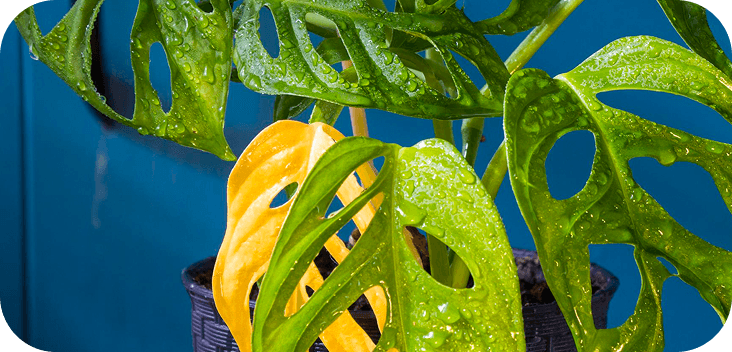
Yellowing Lower Leaves:

Older leaves turn uniformly yellow from excess moisture and compacted soil that limits root oxygen.

Brown Leaf Edges:

Leaf margins dry, crisp, and curl from chronic underwatering, low humidity, or fast-drying potting mix.

Mushy Roots And Soil:

Roots feel soft with sour-smelling, soggy mix from overwatering and poor drainage or oversized pots.

Wilting Despite Damp Soil:

Stems droop while soil stays wet, indicating damaged roots unable to take up water properly.

Slow, Stalled Growth:

New leaves emerge small or infrequently when watering swings between prolonged dryness and saturation.

Keep the root zone lightly moist, allowing the top layer of mix to dry slightly between waterings.

Unsuitable watering habits can stress Philodendron cordatum, slowing growth and weakening its ability to tolerate normal indoor fluctuations.

  • Rigid calendar watering: Watering on a fixed schedule instead of checking soil moisture leads to extremes; test the top layer and adjust timing accordingly.
  • Dense, poorly draining mix: Using heavy garden soil traps moisture around roots; switch to a chunky indoor aroid mix that drains yet holds light moisture.
  • Letting saucers stay full: Leaving runoff in the saucer keeps roots submerged; empty it shortly after watering so excess moisture can fully drain away.

Healthier Philodendron cordatum watering relies on responsive habits: monitor the potting mix, then water deeply and let excess drain freely.

  • Spring: Growth usually speeds up, so monitor soil a bit more often and water when the top layer dries faster than in winter.
  • Summer: In warm, bright rooms, leaves transpire more, so expect quicker drying and slightly deeper watering while still avoiding soggy soil.
  • Fall: As light and growth taper, begin spacing waterings farther apart, letting the potting mix dry a bit more between drinks.
  • Winter: With slower growth and shorter days indoors, water more sparingly, ensuring the top portion of soil stays dry longer before rewatering.

Your Philodendron cordatum Care Companion

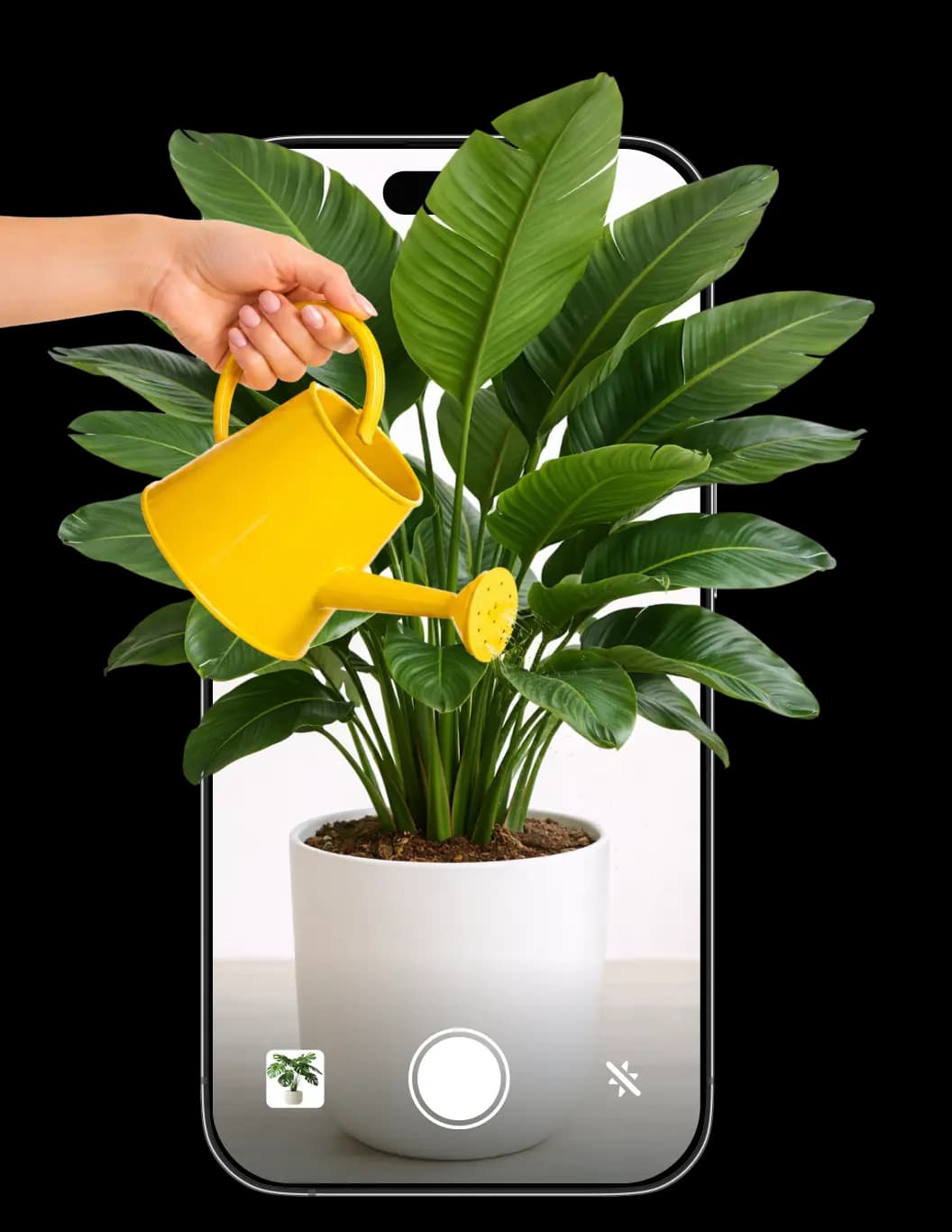
Use Botan for a clear Philodendron cordatum watering guide and easy care checklists, plus gentle photo-based issue detection to help spot problems before they worsen.

Botan plant care app — identify plants on mobile

FAQ

Yes. In lower light it uses water more slowly, so let the top 1–2 inches of soil dry more between waterings. Check moisture with a finger and avoid a fixed schedule for how often to water.

More Plant Watering Guides

Is Your Watering Routine Hurting Your Philodendron cordatum?

Use Botan to review watering patterns and fine-tune the amount and timing.

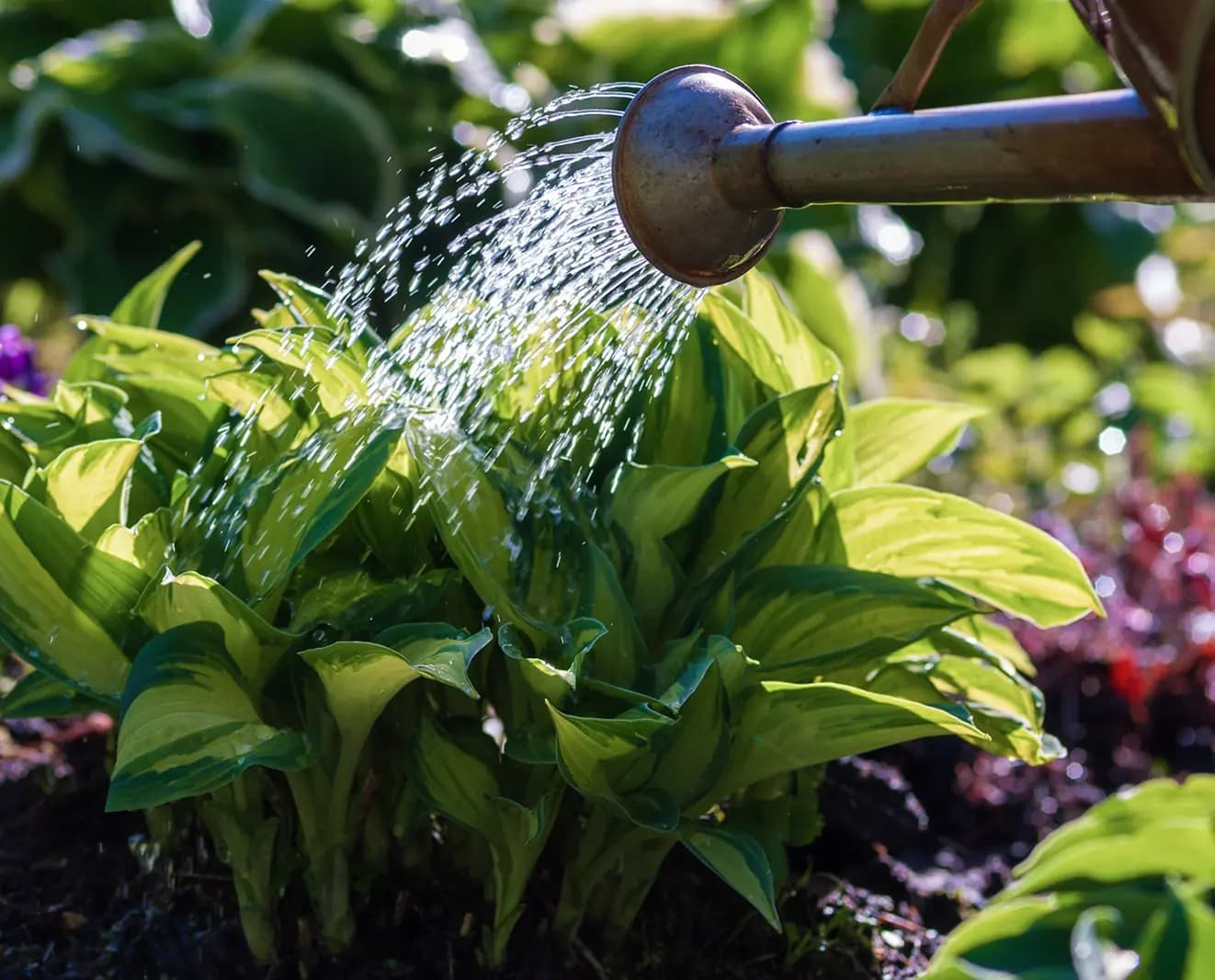
Watering a plant with a copper watering can
10 Easy Garden Flowers to Grow

8 min read · 10 Sept 2026

10 Easy Garden Flowers to Grow

Discover 10 garden flowers that require minimal care. Learn which characteristics make plants easy to grow and follow tips on how to create a beautiful corner from beginner-friendly blooms on your property.

Beginner Guides
10 Easy Garden Flowers to Grow
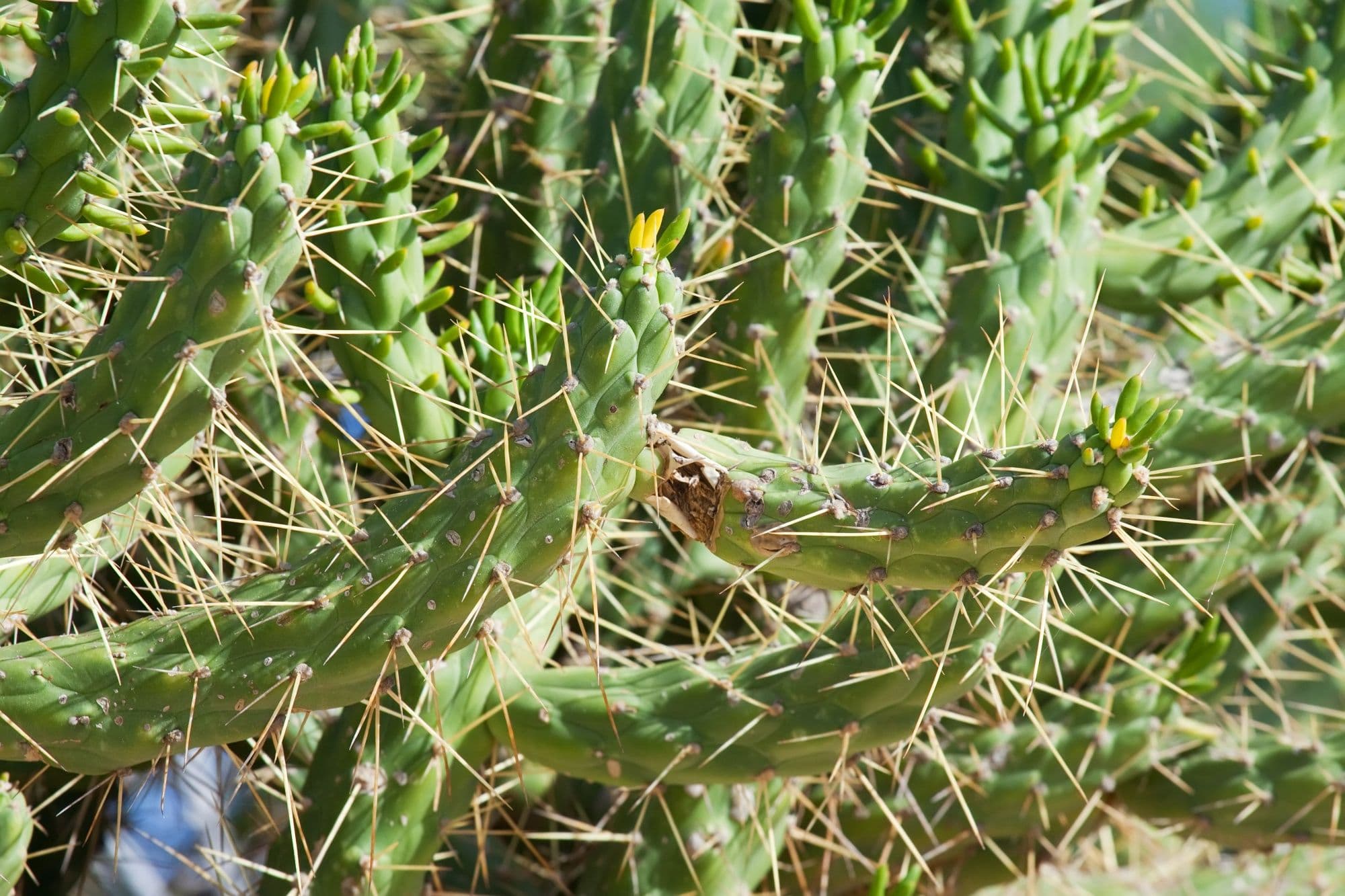
Thorny Plants: A Comprehensive Guide

10 min read · 25 Aug 2026

Thorny Plants: A Comprehensive Guide

Many plants defend themselves with sharp thorns. This guide explores over 20 examples among flowers, shrubs, trees, and vines. You'll learn what each plant looks like, why it grows thorns, and how to quickly identify them.

Plant Recommendations
Thorny Plants: A Comprehensive Guide
How To Revive a Dying Plant: 6 Steps To Bring A Plant Back To Life

6 min read · 1 Sept 2026

How To Revive a Dying Plant: 6 Steps To Bring A Plant Back To Life

Drooping leaves and brown tips don't always mean the end, and a weakened plant can often recover with a little help. These six simple steps will help you revive a dying plant and restore its health.

Plant Care
How To Revive a Dying Plant: 6 Steps To Bring A Plant Back To Life