
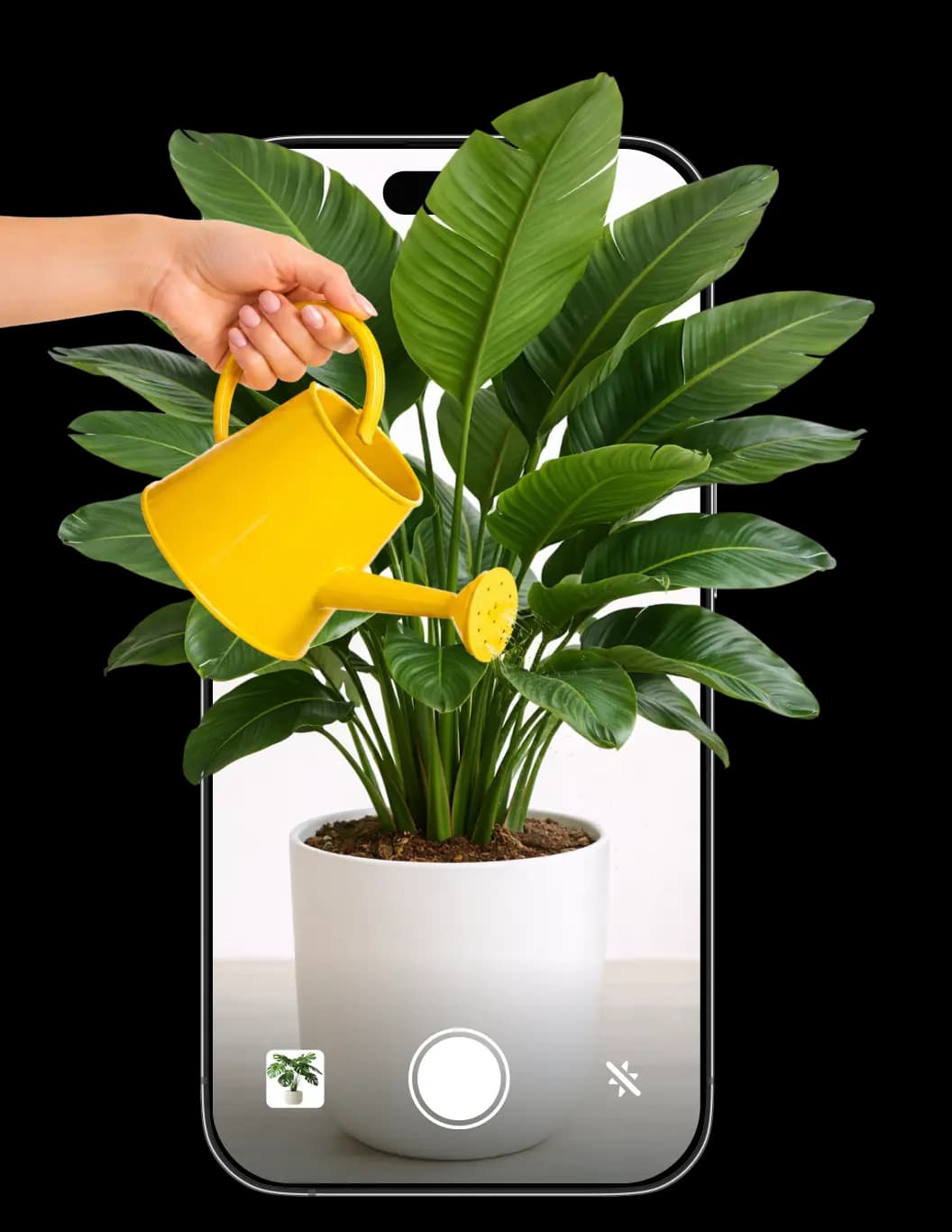
Hoya (Hoya australis) Watering Guide

This page explains when, how often, and how much to water Hoya australis in straightforward, practical terms.

Water Requirements

Low Water

Hoya australis Watering

Native to seasonally dry Australian forests, Hoya australis naturally experiences brief wet periods followed by airy, drying conditions. Indoors, it prefers soil that dries slightly between waterings rather than staying consistently damp or fully parched.

This overview frames the general approach to watering Hoya before diving into light, soil, and environment details that fine‑tune frequency. In containers versus outdoor plantings, expect faster soil drying and slightly more attentive monitoring indoors.

Let the top 1–2 inches (3–5 cm) of soil dry out before watering again; Hoya australis usually reaches this point every 7–14 days indoors, as a general estimate. In brighter light or warmer rooms the interval shortens, while lower light or cooler conditions extend the time between waterings.

Water Hoya australis when the top half of the potting mix feels dry, giving a slow, thorough soak each time.

  • Pour room‑temperature water over the soil surface, circling the pot so moisture spreads evenly through the root zone.
  • Continue watering until liquid runs from the drainage holes, confirming that deeper roots receive adequate moisture.
  • Allow the pot to drain freely for several minutes, then empty any saucer or cachepot so roots do not sit in water.
  • Keep water directed at the soil, not the foliage, so leaves, stems, and the crown remain relatively dry during watering.

Incorrect moisture around Hoya australis roots can trigger several avoidable health problems indoors.

Yellowing Lower Leaves:

Older leaves turn uniformly yellow from consistently wet soil that restricts oxygen around roots.

Soft Blackened Stems:

Base of vines collapses and darkens after prolonged saturation and poor drainage in the pot.

Wrinkled Limp Leaves:

Succulent leaves feel soft and fold slightly when soil stays dry far beyond watering time.

Blistered Leaf Patches:

Translucent, swollen spots form on foliage when excess water builds pressure within leaf tissues.

Mushy Brown Roots:

Roots look brown and slimy instead of firm and white when soil remains waterlogged for weeks.

Let the potting mix dry partly between waterings while avoiding extreme, prolonged dryness or saturation.

Unsuitable watering habits can stress Hoya australis, slowing growth and reducing its ability to form healthy leaves and blooms.

  • Watering By Calendar: Following a fixed schedule instead of checking soil moisture often keeps it wet too long; let the top layer dry first.
  • Dense, Moisture-Holding Soil: Using heavy potting soil that stays soggy for days risks suffocating roots; choose a chunky, fast-draining mix instead.
  • Leaving Water In Saucer: Allowing runoff to sit under the pot keeps lower roots submerged; empty the saucer a few minutes after watering.

Prioritize oxygenated roots by using a freely draining mix, testing soil moisture, and letting excess water drain away fully.

  • Spring: Growth ramps up, so water when the top 1–2 inches of mix dry, but let cool, low‑light plants dry a bit longer.
  • Summer: In bright, warm spots, drying speeds up; check soil more often, yet still allow a full dry at the top between waterings.
  • Fall: As light and growth slow, extend the interval between waterings and keep the potting mix slightly drier to prevent root stress.
  • Winter: In cool or low‑light conditions, growth nearly stalls; water sparingly after the mix dries, avoiding long periods of saturation.

Your Hoya Care Companion

Use Botan for a simple watering guide and step‑by‑step care procedures for Hoya australis, plus photo-based checks that help flag potential leaf, stem, or root issues early.

Botan plant care app — identify plants on mobile

Interesting Watering Facts

Coastal dry-forest origins

Hoya australis is native to exposed coastal and dry rainforest edges in Australia, where soils drain very quickly. In cultivation it copes better with brief dryness than with consistently wet potting mix, reflecting its adaptation to fast-drying, low-retentive substrates.


Epiphytic rain shedding

In the wild, Hoya australis often grows as an epiphyte on tree trunks and branches, so most rainwater drains away rapidly. Roots are adapted to cling to bark and capture thin films of moisture rather than sit in accumulated water, making prolonged waterlogging especially stressful.

Thick leaves for reserves

The species develops relatively thick, sometimes slightly succulent leaves that store water between rain events in its native habitat. This storage allows the plant to maintain turgor and new growth during short dry spells, as long as the potting mix is allowed to dry moderately between waterings.

FAQ

Use room-temperature water and soak the soil evenly until excess drains from the bottom, then empty the saucer. Let the top 1–2 inches dry before watering again to prevent root rot and overwatering.

Everything About Hoya

More Plant Watering Guides

Is Your Watering Routine Hurting Your Hoya?

Botan reviews your watering pattern and suggests gentle adjustments to keep moisture on track.

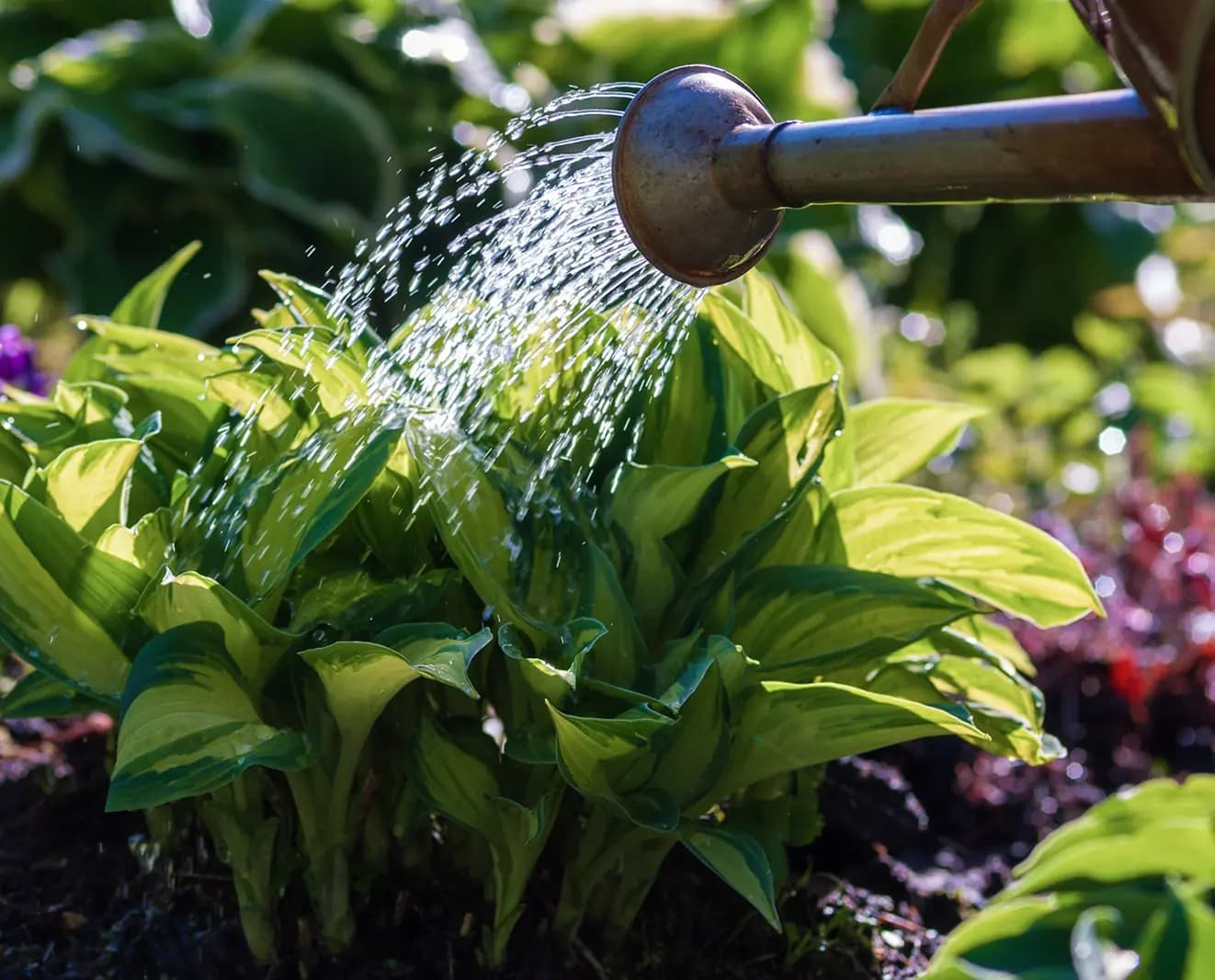
Watering a plant with a copper watering can
How to Tell if a Plant Is Dead

6 min read · 19 Aug 2026

How to Tell if a Plant Is Dead

A plant can lose its leaves, stop growing, or collapse and still remain alive. A closer look at the stems, roots, bulbs, and tubers can show whether the plant still has a chance to recover.

Beginner Guides
How to Tell if a Plant Is Dead
Banana Peel Water for Plants: 5 Things to Know Before Trying It

5 min read · 9 Jul 2026

Banana Peel Water for Plants: 5 Things to Know Before Trying It

Banana water can provide potassium and some nutrients that may support plant growth, but it is not a universal fix. Use it carefully and only when the plant actually shows signs of nutrient deficiency rather than as a routine treatment.

Plant Care
Banana Peel Water for Plants: 5 Things to Know Before Trying It
20 Most Popular Fruits Around the World

7 min read · 22 Jul 2026

20 Most Popular Fruits Around the World

Curious which fruits the world actually eats the most? Here's the top-20 by production volume, an overview of what people choose in each region, and a few figures that defy common assumptions.

Plant Recommendations
20 Most Popular Fruits Around the World