6 min read · 19 Aug 2026
How to Tell if a Plant Is Dead
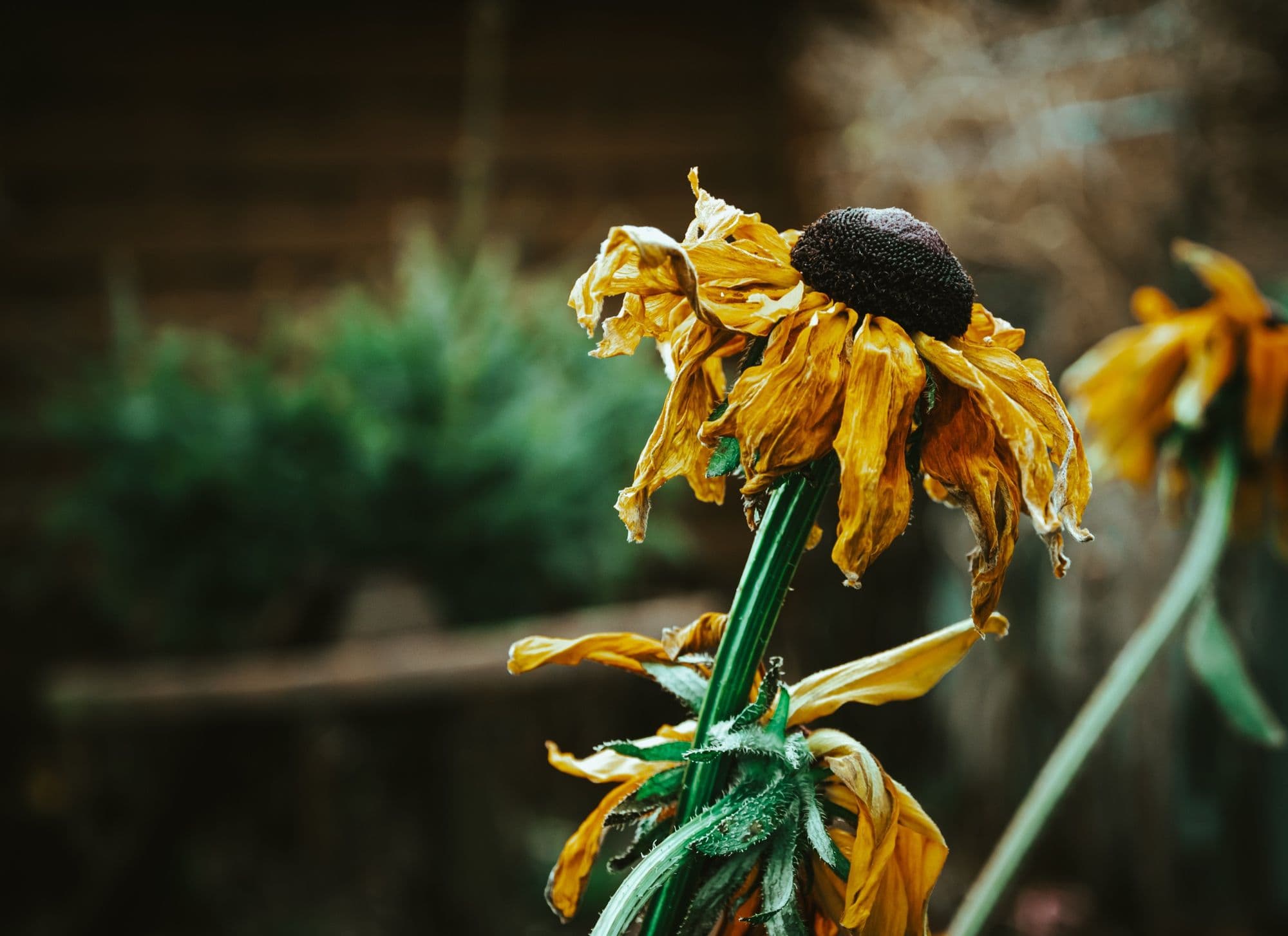
A plant can lose its leaves, stop growing, or collapse and still remain alive. A closer look at the stems, roots, bulbs, and tubers can show whether the plant still has a chance to recover.
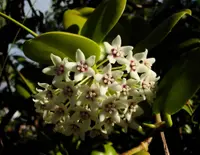
For strong root growth, Hoya australis needs a loose, well-drained mix with some organic matter and a slightly acidic to near-neutral pH.

Soil Texture
Sandy, Loamy, Organic-rich

Soil pH
Acidic (5.5–6.5), Slightly acidic (6.5–7.0)

Soil Drainage
Well-drained

Native to Australia and nearby Pacific islands, Hoya australis grows in warm, bright conditions where roots get air and water moves through quickly. That natural setting points to a loose, well-drained substrate rather than dense, heavy soil that stays wet for long periods.
The best soil for Hoya is lightly sandy or loamy, with enough organic matter to hold some moisture without becoming soggy. Its fine roots benefit from air pockets around them, so an open texture supports steady root function and reduces stress from excess moisture.

A simple homemade mix can give Hoya australis the balance of airflow and moisture control its roots prefer.
The finished mix should feel chunky, springy, and light in the hand, with water moving through easily while a little moisture remains around the root zone.
Hoya prefers slightly acidic to near-neutral soil, with an ideal range around 5.5–7.0 pH. Within that window, essential nutrients stay more available to the roots without becoming overly restricted.
A mix that sits far outside this range can gradually limit nutrient uptake, even if the rest of the growing conditions are good. This species usually handles small pH shifts better than sharp extremes.
Most soil-related trouble with this species starts around the roots, where poor airflow or old mix can slow normal function.
Dense soil can hold too little air and leave the root zone stagnant, so loosen the medium at the next change and use a more open texture.
If the mix stays wet for too long or smells stale, improve drainage and check whether the container is trapping excess moisture.
Very dry organic material can repel water instead of absorbing it evenly, so re-moisten the mix gradually until it wets through properly.
White crust on the soil surface may mean dissolved minerals are collecting, so flush the pot thoroughly and replace the top layer if needed.

Plant Soil Guide
Find the right soil mix for your plant and support healthier root growth
Botan helps match this plant to a more suitable soil setup, so the mix fits its root habits instead of guesswork.
Yes. Drainage holes let excess water leave the container and help air move through the root zone, which supports a healthier Hoya soil environment over time.
If growth looks off, soil may be one factor worth checking. Botan’s photo-based assessment can help point to likely care issues.


6 min read · 19 Aug 2026
A plant can lose its leaves, stop growing, or collapse and still remain alive. A closer look at the stems, roots, bulbs, and tubers can show whether the plant still has a chance to recover.

5 min read · 9 Jul 2026
Banana water can provide potassium and some nutrients that may support plant growth, but it is not a universal fix. Use it carefully and only when the plant actually shows signs of nutrient deficiency rather than as a routine treatment.

7 min read · 22 Jul 2026
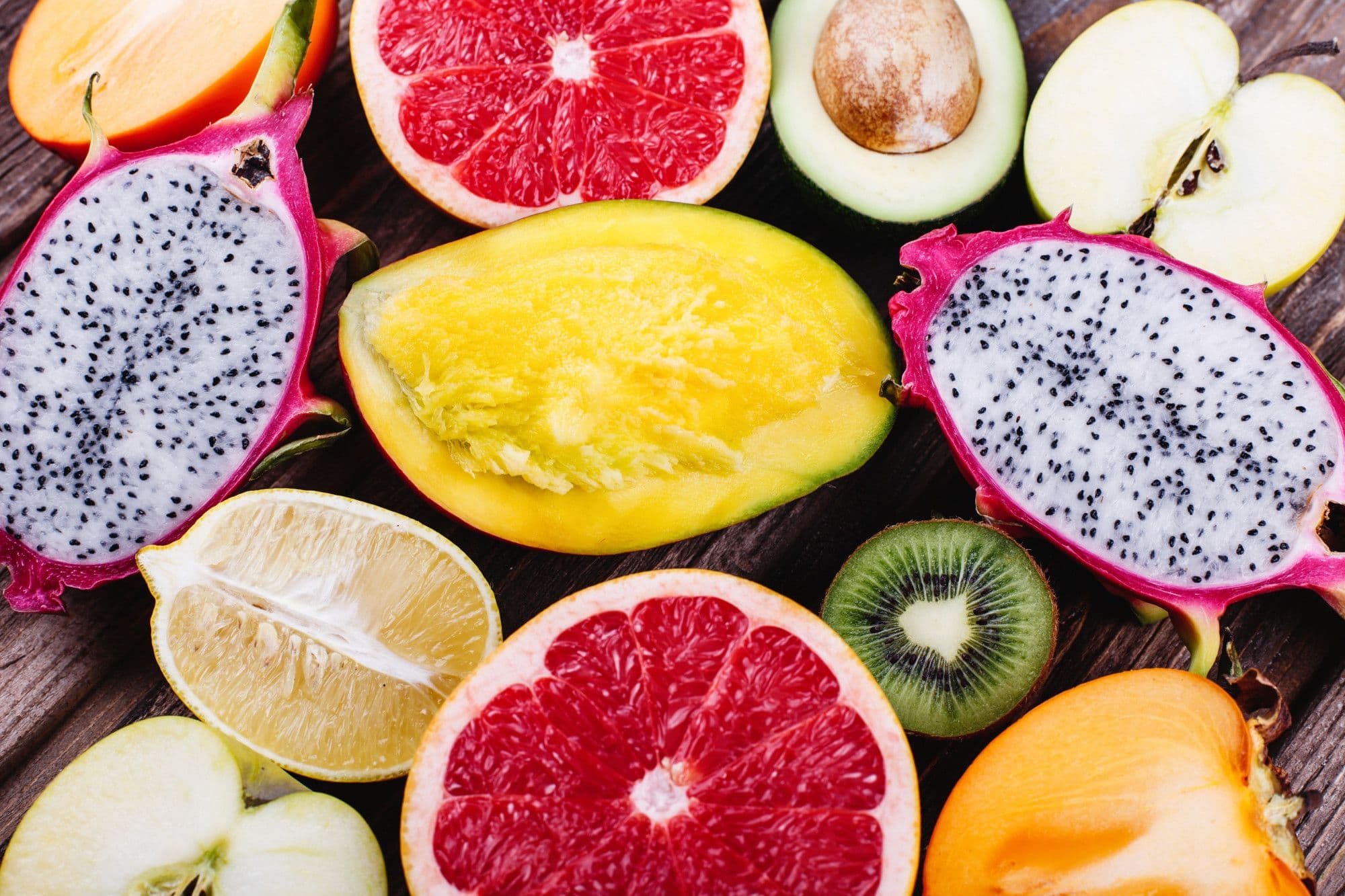
Curious which fruits the world actually eats the most? Here's the top-20 by production volume, an overview of what people choose in each region, and a few figures that defy common assumptions.