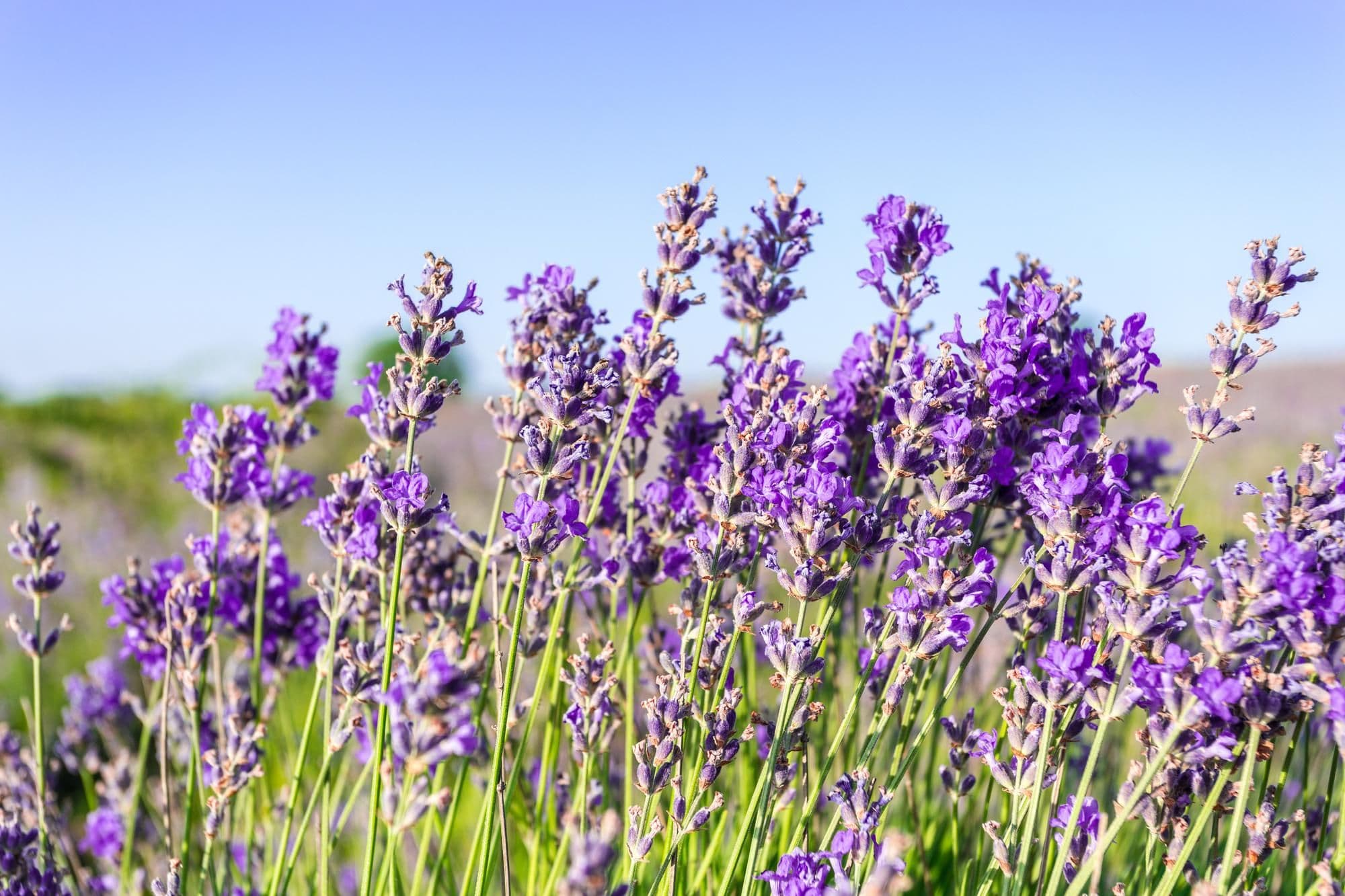



Best Soil for Hoya linearis

A loose, well-drained, slightly acidic mix helps Hoya linearis maintain healthy roots and steady growth.

Soil Texture

Sandy, Loamy, Organic-rich

Soil pH

Acidic (5.5–6.5), Slightly acidic (6.5–7.0)

Soil Drainage

Well-drained

Hoya linearis Soil Guide

Native to the eastern Himalayas, this species grows in cool mountain forests, often as an epiphyte on trees where roots cling to airy organic debris rather than dense ground soil. That habitat explains why Hoya linearis prefers a loose, well-drained substrate with plenty of air around the roots.

Its roots are relatively fine and do best in a mix that holds some moisture but does not stay wet for long. The best soil for Hoya linearis feels light, slightly sandy or loamy, and rich in organic matter, which helps balance drainage, moisture retention, and steady root oxygen.

A simple homemade blend gives Hoya linearis the balance of airflow and light moisture retention it prefers in a container.

100% total mix = 20 scoops
10%
compost or worm castings2 scoops
20%
perlite or pumice4 scoops
30%
potting soil6 scoops
40%
orchid bark or coco chips8 scoops

The finished mix should feel springy and open, with small particles and larger pieces evenly combined so extra moisture moves through quickly.

This species can be sensitive when the root zone stays airless for too long. Checking the mix early can help prevent longer-lasting root stress in Hoya linearis.

Compacted mix:

Dense soil that settles hard can limit root oxygen; gently loosen the top layer and plan to replace it with a more open mix.

Staying wet too long:

If the container still feels heavy after several days, the root zone may be holding too much moisture; first check drainage holes and airflow around the pot.

Breakdown over time:

As organic particles decompose, the mix may shrink and drain more slowly; refresh part or all of the medium if it has become fine and muddy.

Salt buildup:

A crust on the soil surface can point to mineral accumulation; flush the pot thoroughly once and review water quality if buildup returns.

Soil Advice in Seconds

Botan helps match this plant to a more suitable soil setup based on how it grows and how your current mix behaves.

FAQ

Yes. Drainage holes help excess water leave the container and keep the root zone better aerated, which supports the kind of fast-draining Hoya linearis soil this species prefers.

Everything About Hoya linearis

More Plant Soil Guides

Could It Be the Soil?

Yellowing, slow growth, or recurring stress can sometimes be linked to the root zone. Botan’s photo-based assessment can help you decide whether soil is worth checking.

Botan app helping with soil and plant care
Dill Companion Plants – What to Grow Next to Dill

9 min read · 17 Jul 2026

Dill Companion Plants – What to Grow Next to Dill

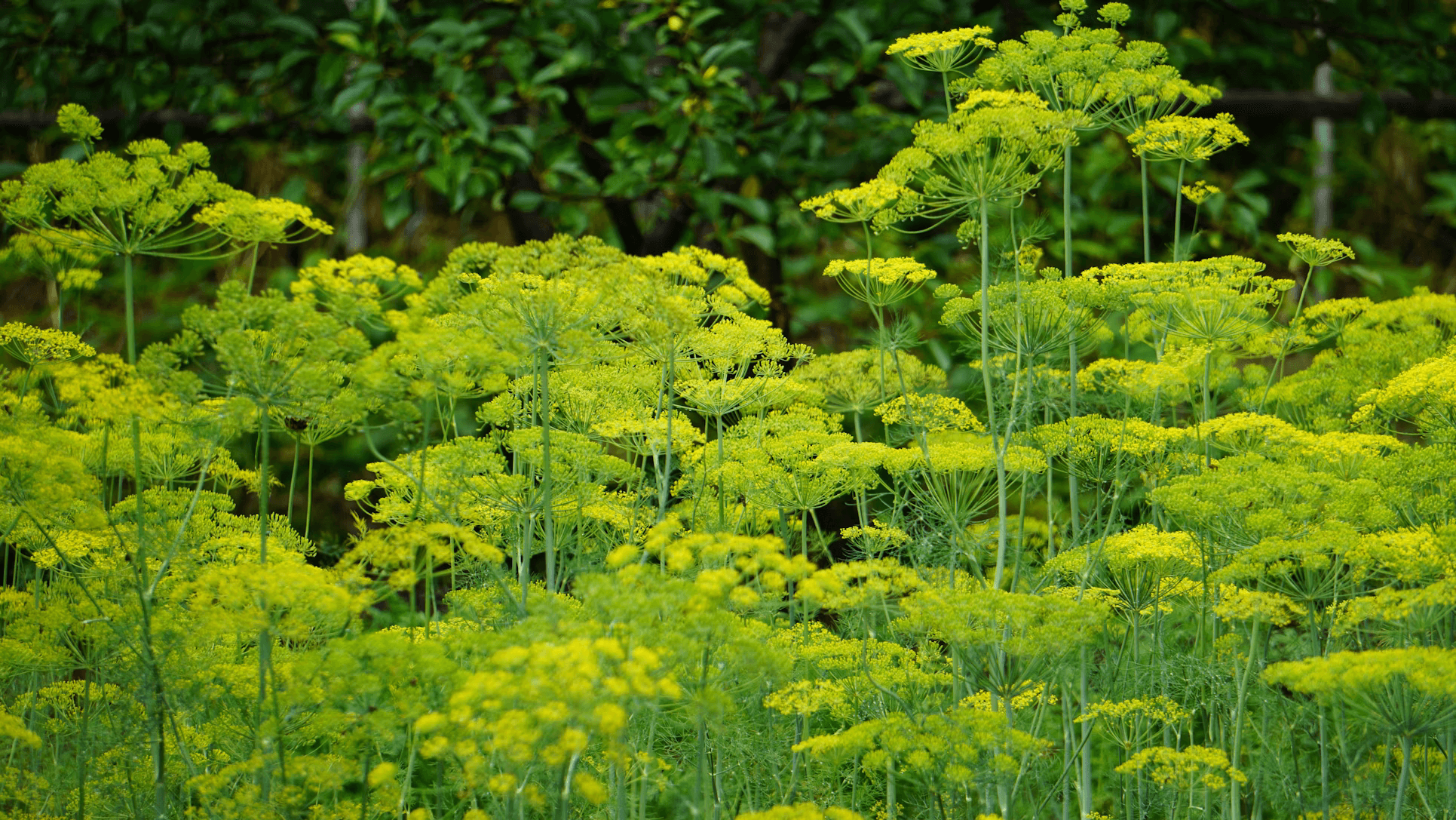
Dill is an easy-to-grow plant that gets along well with many vegetables. This guide describes 15 plants that can be planted alongside it, a few to avoid, and mistakes that can quietly sabotage the entire process.

Plant Recommendations
Dill Companion Plants – What to Grow Next to Dill
What Do Plants Need to Grow – 5 Things Every Greenery Can't Live Without

8 min read · 31 Jul 2026

What Do Plants Need to Grow – 5 Things Every Greenery Can't Live Without

To keep plants healthy and thriving, provide the right balance of light, humidity, nutrients, airflow, and quality soil. This guide covers the essentials of year-round plant care.

Beginner Guides
What Do Plants Need to Grow – 5 Things Every Greenery Can't Live Without
12 Best Plants That Repel Spiders For Your Home and Garden

8 min read · 24 Jul 2026

12 Best Plants That Repel Spiders For Your Home and Garden

Spiders constantly appear in places you don't want them. A few common plants can help repel them using scent alone. Here are 12 options suitable for both indoors and outdoors, plus care tips for each.

Plant Recommendations
12 Best Plants That Repel Spiders For Your Home and Garden