


Hoya linearis Light Needs

Hoya linearis grows best in bright, indirect light with a little gentle morning sun if acclimated.

Light Preference

Bright Indirect Light

Hoya linearis Light Requirements

Hoya linearis is native to cool, humid mountain forests of the Himalayas, where it often grows epiphytically on branches or rock faces. In that setting, light is bright but softened by overhead vegetation and frequent mist, with only brief direct sun reaching the stems.

This background explains why cultivated plants handle partial shade but look and flower best with bright filtered light. Preferred light is bright, indirect light.

  • Ideal exposure:

    Hoya linearis needs about 6–8 hours of bright, indirect or filtered light daily, including up to 2–3 hours of gentle direct morning sun.

  • Gentle sun:

    Early sun is usually tolerated when the plant is acclimated, but hot afternoon sun can scorch the fine leaves.

  • Lower light:

    It can survive in moderate shade, though growth often becomes thinner and flowering is less likely.

  • Filtered brightness:

    A sheer curtain or position beside a bright window helps keep light strong without direct heat.

Indoors, place it where the stems receive bright light for most of the day without prolonged hot sun.

NConditional
North-facing window:

Use only an unobstructed north-facing window, with the plant close to the glass, and watch for sparse growth.

EBest
East-facing window:

An east-facing window is often best because it gives gentle morning sun and bright light without strong afternoon heat.

SSuitable
South-facing window:

Set it 2–5 ft from a south-facing window, or closer if a sheer curtain filters the direct sun.

WConditional
West-facing window:

Use a sheer curtain or keep it several feet back, because late-afternoon sun can be too hot.

Move it a little farther back if the stems feel hot in direct rays or leaves begin to pale.

Excess light usually appears after harsh direct sun or a sudden move to a brighter spot.

Bleached stems:

The fine hanging stems may look pale, silvery, or washed out on the side facing the window.

Dry sun patches:

Small tan or brown marks can form where intense rays hit the narrow leaves directly.

Reddish cast:

A mild bronze tone can be normal in brighter light, but strong reddening with dryness suggests stress.

Crisp tips:

Exposed stem tips may become dry when strong light is combined with heat near glass.

Shift Hoya linearis into bright filtered light and keep direct sun limited to gentle morning exposure. Introduce any brighter position over 1–2 weeks.

Low light tends to show gradually, especially during the active growing season.

  • Long gaps:

    New trailing stems may stretch with wider spacing between leaves.

  • Leaning growth:

    Stems may angle toward the window instead of hanging evenly.

  • Small new leaves:

    Fresh growth can be finer than usual and less dense along the vine.

  • Few blooms:

    Mature plants may produce little or no flowering when light is consistently weak.

  • Slow active growth:

    Hoya linearis may pause growth for long periods outside normal winter slowing.

Move the plant closer to a brighter window or add filtered light from a stronger exposure. Make changes gradually if the new spot includes direct sun.

Choose the brightest spot that avoids hot midday or afternoon rays when ideal exposure is not available. Place the plant just outside the strongest beam, or soften that beam with a sheer curtain.

Rotate the pot every 2–4 weeks so all hanging stems receive balanced light.

A dim shelf far from a window is usually unsuitable because growth becomes sparse.

Get Personalized Care Plan

Scan your plant to receive care tips personalized for your specific plant

FAQ

The best light for Hoya linearis is bright, indirect or filtered light for most of the day, with only brief gentle morning sun if the plant has been acclimated.

Everything About Hoya linearis

More Plant Light Guides

Get the Botan App

Discover how to care for your plants with Botan.

Botan app identifying a plant with a phone camera
Dill Companion Plants – What to Grow Next to Dill

9 min read · 17 Jul 2026

Dill Companion Plants – What to Grow Next to Dill

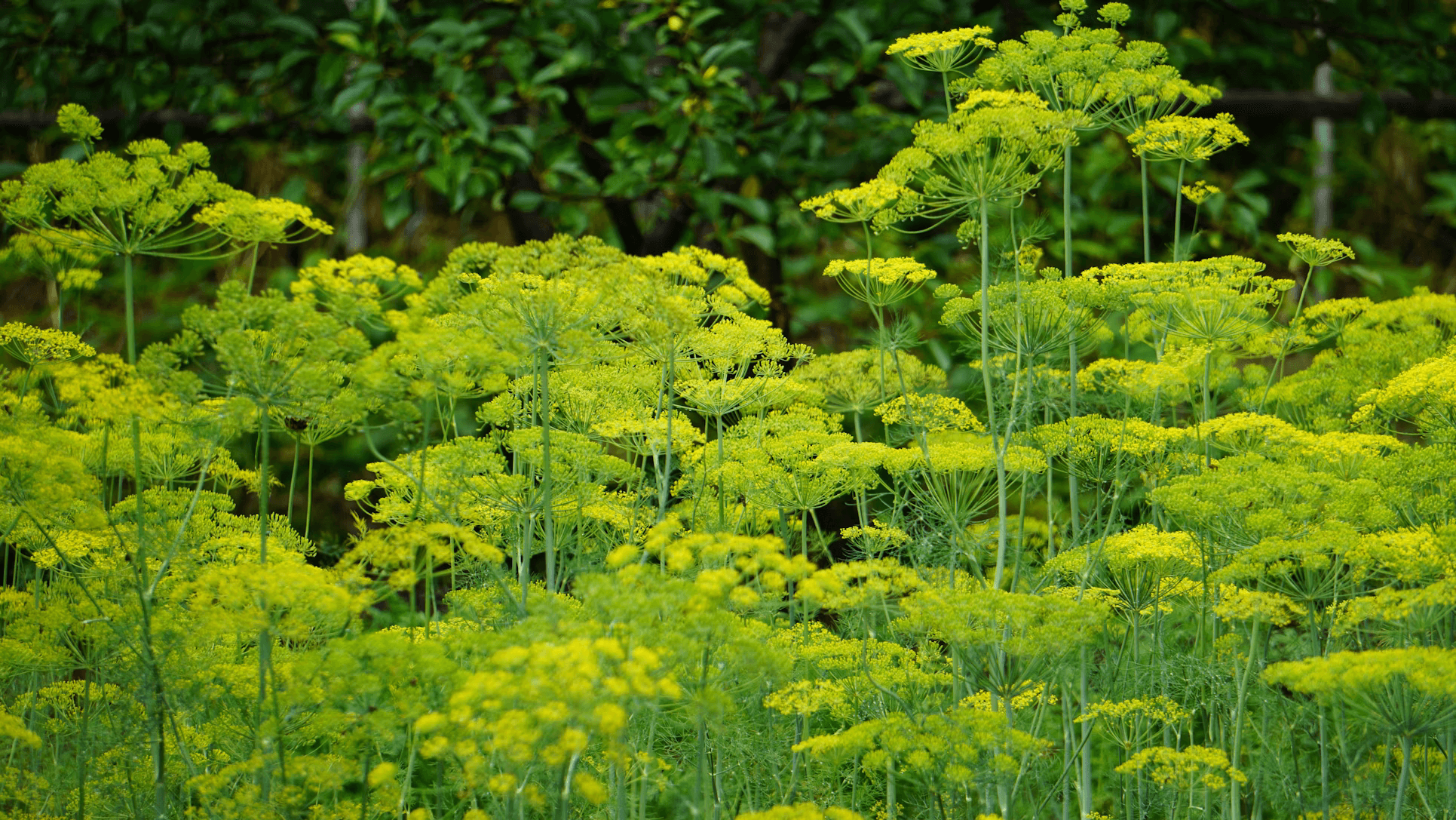
Dill is an easy-to-grow plant that gets along well with many vegetables. This guide describes 15 plants that can be planted alongside it, a few to avoid, and mistakes that can quietly sabotage the entire process.

Plant Recommendations
Dill Companion Plants – What to Grow Next to Dill
What Do Plants Need to Grow – 5 Things Every Greenery Can't Live Without

8 min read · 31 Jul 2026

What Do Plants Need to Grow – 5 Things Every Greenery Can't Live Without

To keep plants healthy and thriving, provide the right balance of light, humidity, nutrients, airflow, and quality soil. This guide covers the essentials of year-round plant care.

Beginner Guides
What Do Plants Need to Grow – 5 Things Every Greenery Can't Live Without
12 Best Plants That Repel Spiders For Your Home and Garden

8 min read · 24 Jul 2026

12 Best Plants That Repel Spiders For Your Home and Garden

Spiders constantly appear in places you don't want them. A few common plants can help repel them using scent alone. Here are 12 options suitable for both indoors and outdoors, plus care tips for each.

Plant Recommendations
12 Best Plants That Repel Spiders For Your Home and Garden