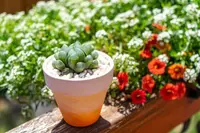



Bristle Haworthia (Haworthia cooperi) Light Needs

Haworthia cooperi grows best in bright, indirect or filtered light with brief gentle morning sun.

Light Preference

Bright Indirect Light

Haworthia cooperi Light Requirements

Haworthia cooperi is native to South Africa, where it grows close to the ground in dry, rocky areas and sparse vegetation. Its translucent leaf tips help it use light while much of the rosette stays low and partly protected.

In cultivation, this means it handles brightness well but is not adapted to long, harsh full sun. Preferred light is bright indirect or filtered light.

  • Ideal exposure:

    Haworthia cooperi needs about 6–8 hours of bright, indirect or filtered light daily, including up to 2 hours of gentle direct morning sun.

  • Direct sun:

    Early sun is tolerated after gradual acclimation, but hot midday or afternoon sun can scorch the clear leaf windows.

  • Lower light:

    Shade is tolerated for a time, though growth becomes looser and slower when light stays weak.

  • Seasonal intensity:

    Winter sun is usually safer indoors, while summer glass can intensify heat and sun stress.

Indoors, place it where light is bright but not harsh for most of the day.

NConditional
North-facing window:

A north-facing window can work only if it is very bright and unobstructed; otherwise growth may stretch over time.

EBest
East-facing window:

An east-facing window is usually ideal because it provides gentle morning sun and bright indirect light later in the day.

SSuitable
South-facing window:

A south-facing window is suitable when the plant sits 2–4 ft from the glass or receives filtered light through a sheer curtain.

WConditional
West-facing window:

A west-facing window is conditional because afternoon sun can be hot; use distance from the glass or light filtering.

Choose the brightest position that keeps the leaves protected from prolonged hot direct sun.

Strong sun usually shows first on the exposed leaf tops.

Bleached patches:

Pale tan or whitish spots can appear on the translucent leaf windows after sudden direct sun.

Bronze coloring:

A pink, red, or brown cast may develop when light is stronger than the plant was receiving before.

Dry sunken marks:

Scorched areas may feel thin or papery and stay fixed instead of spreading across the whole rosette.

Tight stressed rosette:

Leaves may pull inward and look less plump when bright light is paired with heat.

Move Haworthia cooperi back from harsh afternoon rays or add a sheer curtain. Increase direct sun only gradually, especially after winter or a shaded indoor period.

Weak light usually changes the shape before it causes obvious damage.

  • Stretched center:

    New growth may rise upward instead of staying in a compact, low rosette.

  • Wider spacing:

    Leaves can sit farther apart, giving the plant a looser shape than its normal tight form.

  • Leaning growth:

    The rosette may angle toward the nearest window when light comes from only one side.

  • Small new leaves:

    New leaves may stay smaller during the active growing season when brightness is too low.

  • Few flowers:

    Flowering may be limited indoors if the plant receives dim light for long periods.

Move Haworthia cooperi to brighter indirect light and rotate it after the move. Avoid shifting it straight from shade into strong sun.

If ideal light is limited, choose the brightest area that avoids hot afternoon rays; this is the best compromise for Haworthia cooperi light needs.

Rotate the pot a quarter turn every 1–2 weeks so the rosette stays even rather than leaning toward the light.

A dim shelf far from natural light is unsuitable because growth can stretch and lose its compact shape.

Get Personalized Care Plan

Scan your plant to receive care tips personalized for your specific plant

FAQ

The best light for Haworthia cooperi is bright, indirect or filtered light for most of the day. A little gentle morning sun is helpful, but long periods of hot direct sun are risky.

Everything About Bristle Haworthia

More Plant Light Guides

Get the Botan App

Discover how to care for your plants with Botan.

Botan app identifying a plant with a phone camera
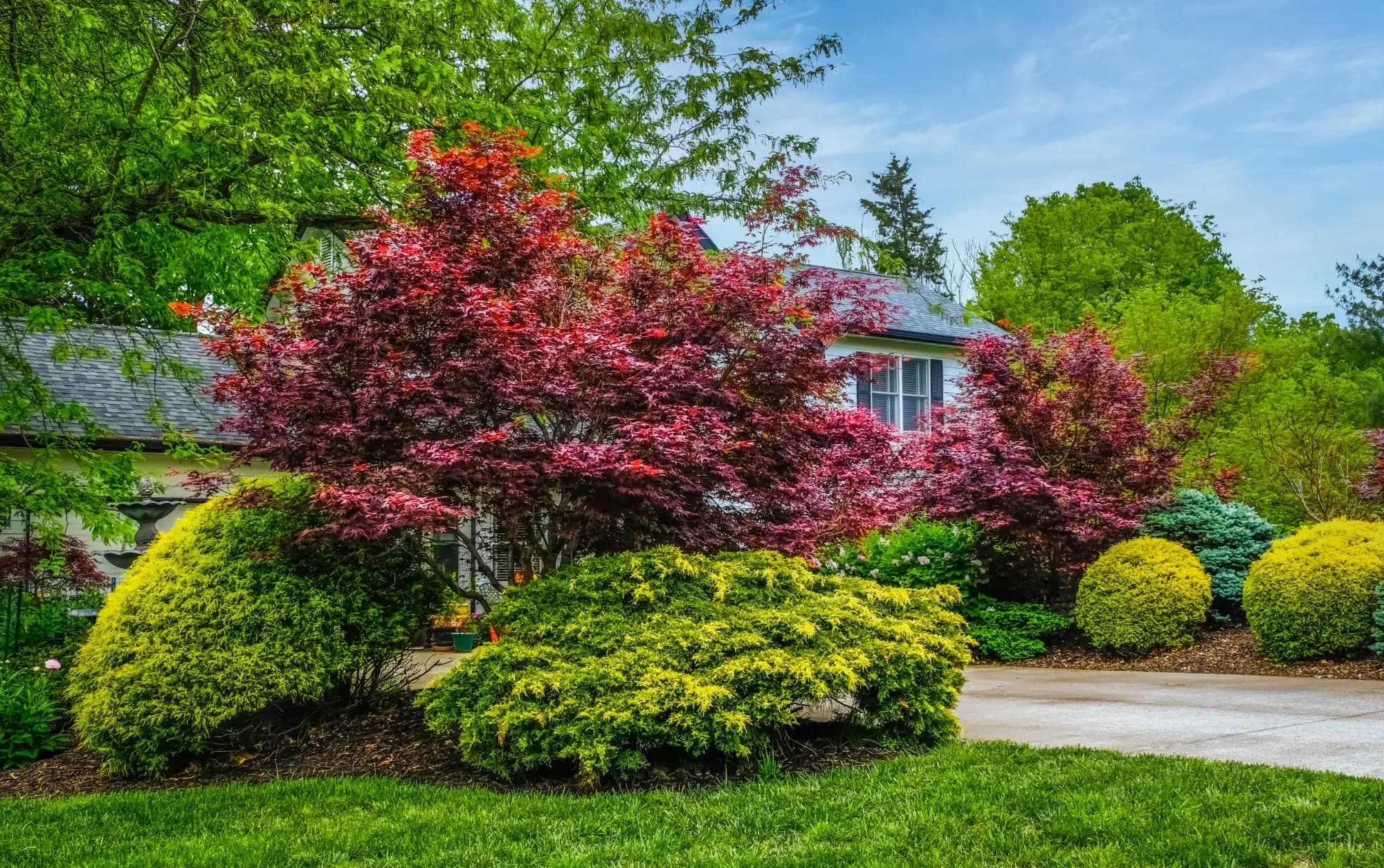
13 Best Front Yard Trees for Every Home and Yard

12 min read · 7 Aug 2026

13 Best Front Yard Trees for Every Home and Yard

A front yard tree can stay for decades. Therefore, choosing one deserves serious consideration. Here are 13 trees that have proven themselves, sorted by their purpose. You'll also find five species to avoid and basic planting information.

Plant Recommendations
13 Best Front Yard Trees for Every Home and Yard
How to Repot a Plant: A Step-by-Step Guide

7 min read · 28 May 2026

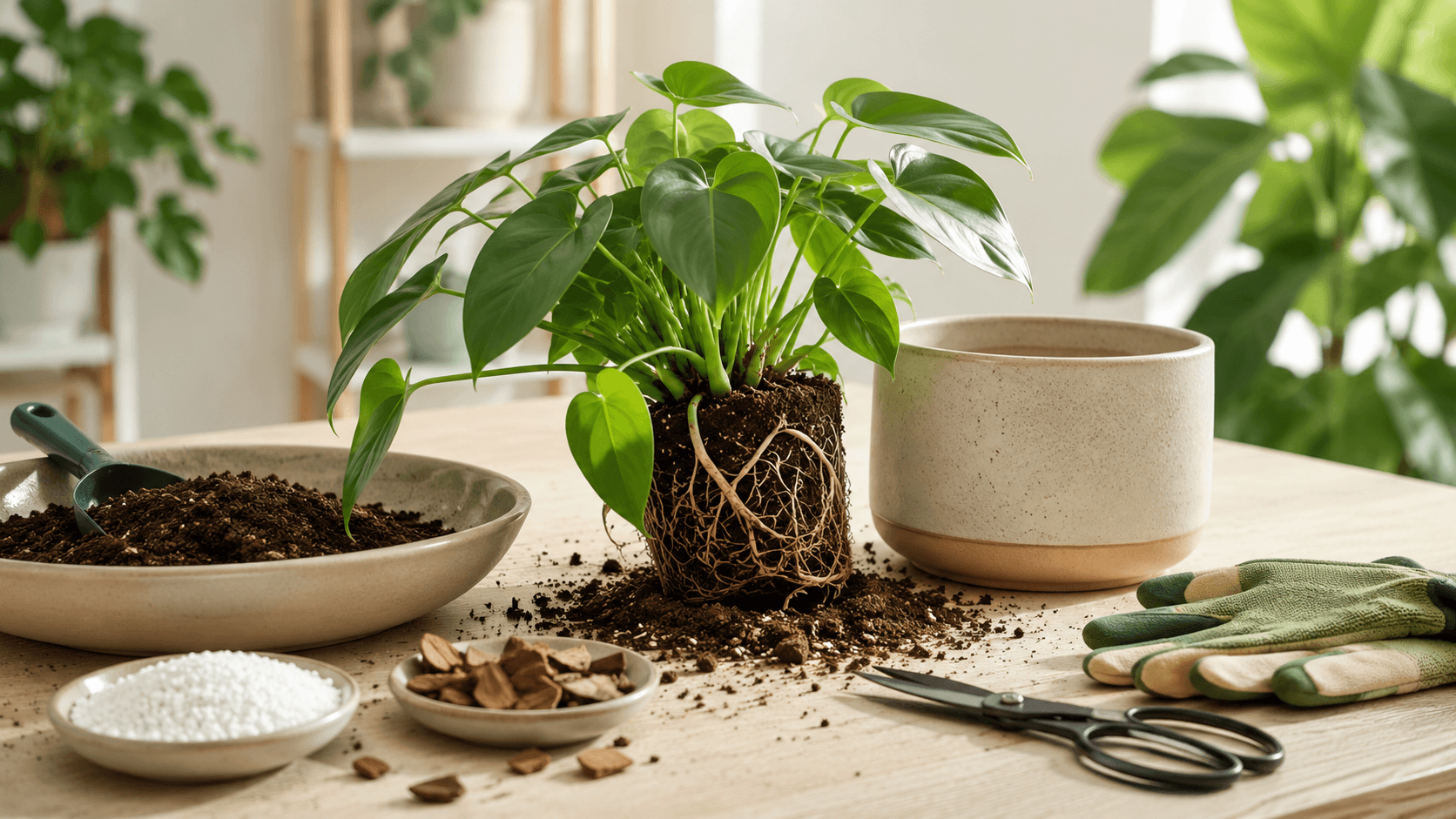
How to Repot a Plant: A Step-by-Step Guide

In spring, many plants need repotting—an essential part of care. To avoid stress, consider the plant’s type and size. This article offers a step-by-step guide for repotting indoors or outdoors and shows how to check plant health and get care tips using the Botan app.

Plant Care
How to Repot a Plant: A Step-by-Step Guide
Banana Peel Water for Plants: 5 Things to Know Before Trying It

5 min read · 9 Jul 2026

Banana Peel Water for Plants: 5 Things to Know Before Trying It

Banana water can provide potassium and some nutrients that may support plant growth, but it is not a universal fix. Use it carefully and only when the plant actually shows signs of nutrient deficiency rather than as a routine treatment.

Plant Care
Banana Peel Water for Plants: 5 Things to Know Before Trying It