





Blushing Philodendron (Philodendron 'Black Cardinal') Light Needs

Blushing Philodendron grows best in bright, indirect light with brief, gentle morning sun if introduced gradually.

Light Preference

Bright Indirect Light

Philodendron 'Black Cardinal' Light Requirements

In its tropical forest habitat, this cultivar's parent species grows beneath taller vegetation, where leaves receive filtered light rather than open, all-day sun. Short periods of early or late sun may reach the foliage through gaps, but harsh direct rays are limited.

Indoors, this points to a bright position protected from strong afternoon sun. Preferred light is bright, indirect or filtered light.

  • Ideal exposure:

    Philodendron 'Black Cardinal' needs about 6–8 hours of bright, indirect or filtered light daily, including up to 1–2 hours of gentle direct morning sun.

  • Direct sun:

    Soft morning sun is usually tolerated, but midday or afternoon rays can mark the dark leaves.

  • Lower light:

    Shade is tolerated for survival, but growth becomes slower and new leaves may stay smaller.

  • Best balance:

    Filtered light keeps color strong without exposing foliage to heat through glass.

Indoors, place this plant where it receives bright light without long exposure to hot direct sun.

NConditional
North-facing window:

Use a north-facing window only if it is bright and unobstructed; otherwise growth may become slow and stretched.

EBest
East-facing window:

Place it within a few feet of an east-facing window, where morning sun is gentle and the rest of the day stays bright but indirect.

SConditional
South-facing window:

Keep it several feet back from a south-facing window or use a sheer curtain to soften the strongest rays.

WConditional
West-facing window:

A west-facing window can work only with filtering or distance from the glass, because afternoon sun is often too intense.

Adjust placement by season, since winter light is weaker and summer afternoon sun is stronger through glass.

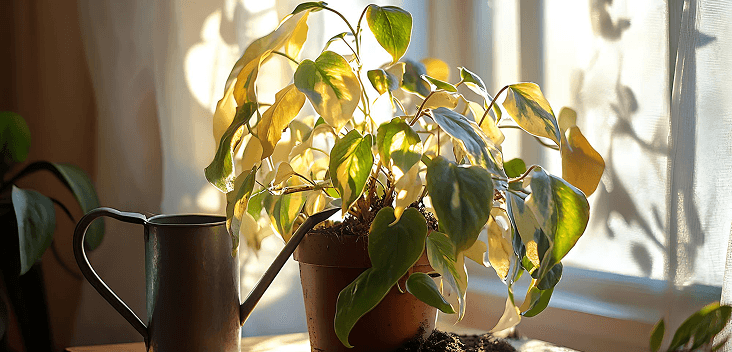
Excess light usually shows on the most exposed leaves first.

Bleached patches:

Dark foliage may develop pale tan or washed areas where direct sun hits the leaf surface.

Crisp spots:

Sun-scalded sections can turn dry and papery, often with a sharp edge between damaged and healthy tissue.

Faded color:

Philodendron 'Black Cardinal' may lose some deep red-bronze tone when light is too intense for its current acclimation.

Leaf curling:

Leaves may angle away from the window or curl slightly during hot, bright afternoon exposure.

Move the plant out of direct afternoon sun or add a sheer curtain. Keep it in bright indirect light while new growth shows whether the placement is safer.

Low light affects growth pattern before it causes obvious damage.

  • Longer spacing:

    Stems may stretch, leaving wider gaps between leaves as the plant reaches toward brighter light.

  • Leaning growth:

    New growth often angles toward the nearest window instead of staying evenly balanced.

  • Smaller leaves:

    Philodendron 'Black Cardinal' may produce smaller, thinner leaves when light stays weak during the growing season.

  • Duller color:

    The dark leaf color can look flat, especially on new leaves that formed in shade.

  • Slow growth:

    Little or no active-season growth can suggest the plant is below its useful light range.

Move it gradually into brighter indirect light, choosing a spot closer to a window but away from harsh afternoon rays.

When ideal brightness is not available, choose the brightest spot that avoids hot direct rays; this compromise suits Philodendron 'Black Cardinal' light needs better than deep shade.

Move the pot a few inches at a time after any light change, and rotate it every 1–2 weeks to keep growth balanced.

Avoid placing it against unfiltered afternoon glass, because heat and direct sun can mark the leaves quickly.

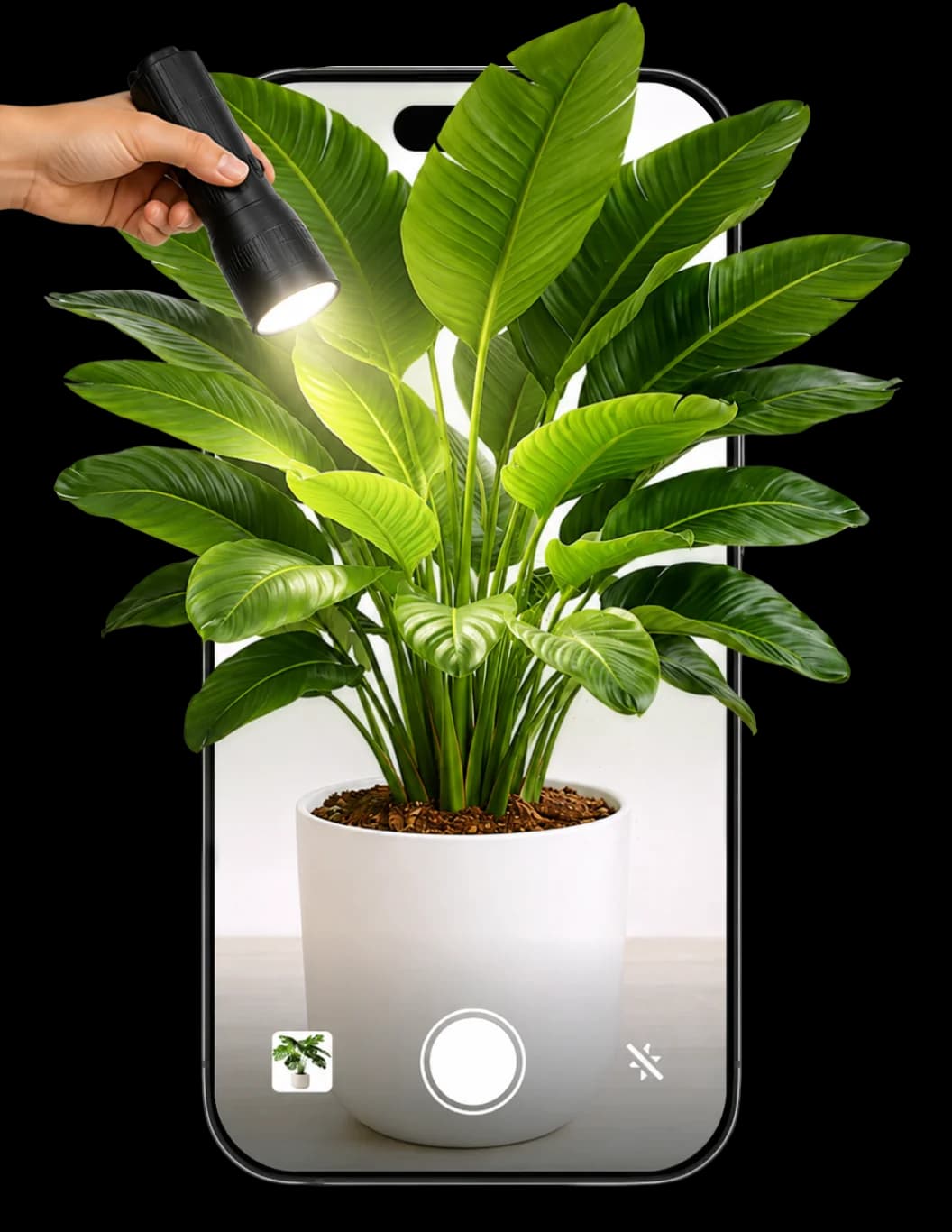
Get Personalized Care Plan

Scan your plant to receive care tips personalized for your specific plant

FAQ

The best light for Blushing Philodendron is bright, indirect or filtered light for most of the day. A little gentle morning sun is fine, but strong afternoon sun is not ideal.

More Plant Light Guides

Get the Botan App

Discover how to care for your plants with Botan.

Botan app identifying a plant with a phone camera
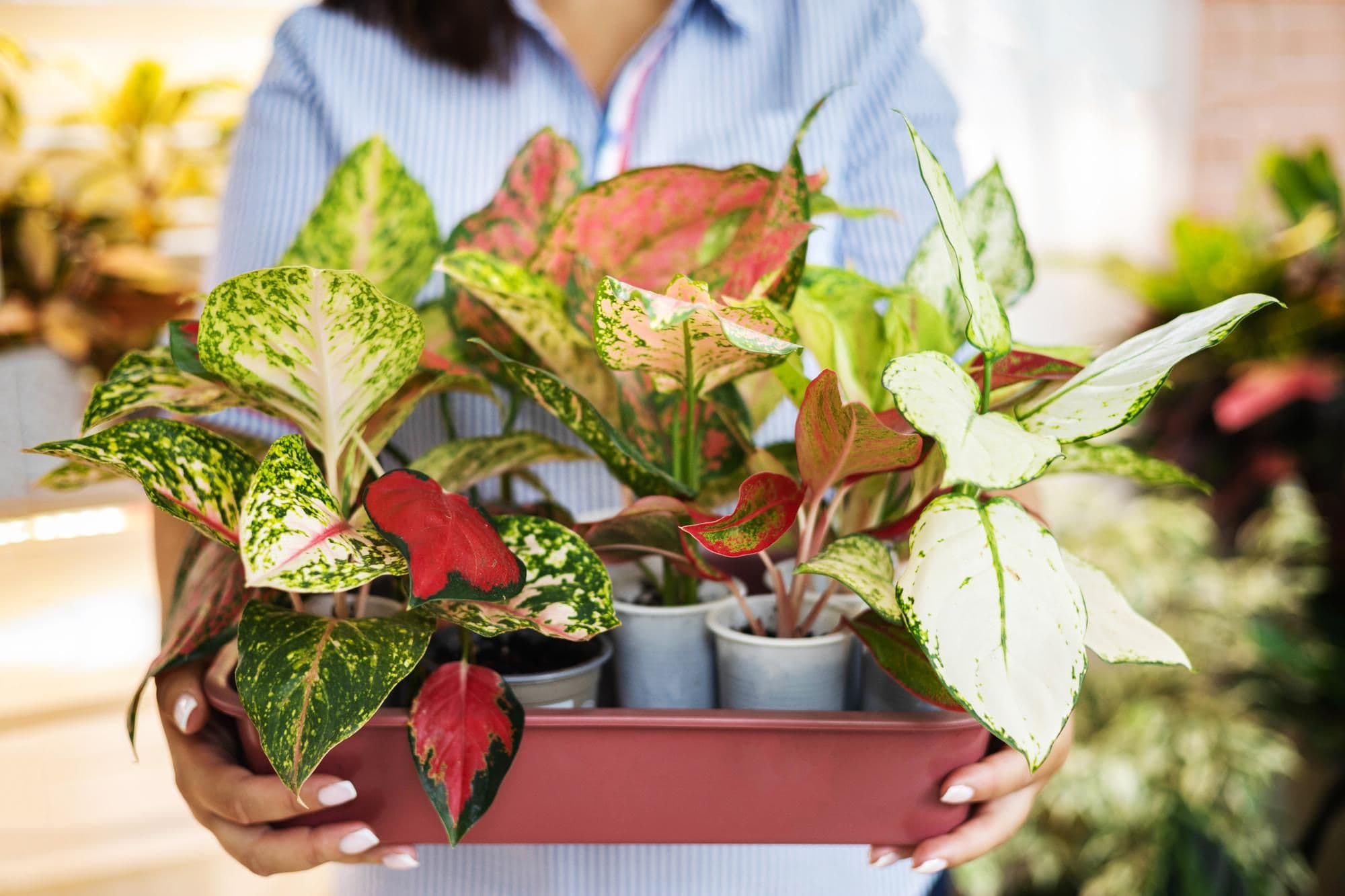
Best Time to Water Grass in Summer – Lawn Watering Tips

5 min read · 21 Jul 2026

Best Time to Water Grass in Summer – Lawn Watering Tips

Summer watering is easy to get wrong. This guide explains when to turn on your sprinkler, how much liquid your grass needs each week, and how to tell if you're overwatering or underwatering.

Plant Care
Best Time to Water Grass in Summer – Lawn Watering Tips
12 Most Wanted Rare Houseplants to Grow at Home

6 min read · 21 Sept 2026

12 Most Wanted Rare Houseplants to Grow at Home

Rare houseplants can turn an ordinary corner in your apartment into a living botanical collection. This guide covers 12 most admired picks, what makes them special, and how to grow them successfully at home.

Plant Recommendations
12 Most Wanted Rare Houseplants to Grow at Home
Best Time to Mow Lawn – A Complete Guide

5 min read · 10 Aug 2026

Best Time to Mow Lawn – A Complete Guide

Explore when to mow your lawn for its health and a pleasant green color. Find out the best time for this task during the summer heat, and follow practical tips for correctly cutting the grass, and learn common mistakes to avoid.

Plant Care
Best Time to Mow Lawn – A Complete Guide