





Asparagus fern (Asparagus setaceus) Light Needs

Asparagus fern grows best in bright, indirect or filtered light with only gentle morning sun.

Light Preference

Bright Indirect Light

Asparagus setaceus Light Requirements

Asparagus setaceus is native to southern Africa, where it grows in sheltered thickets, forest edges, and climbing through nearby vegetation. In these settings, its fine foliage receives broken light rather than exposed midday sun.

This background explains why cultivated plants handle shade but look fuller with brighter filtered exposure. Preferred light is bright, indirect or filtered light with brief gentle sun.

  • Ideal exposure:

    Asparagus setaceus needs about 6–8 hours of bright, indirect or filtered light daily, including up to 1–2 hours of gentle direct morning sun.

  • Direct sun:

    Mild morning sun is tolerated, but strong midday or afternoon rays can scorch the fine foliage.

  • Lower light:

    Bright shade is acceptable, though growth may become thinner and slower away from a window.

  • Seasonal light:

    Winter light is weaker, so a brighter position can help maintain dense growth.

Indoors, give this plant the brightest filtered position available without hot afternoon sun.

NSuitable
North-facing window:

Use an unobstructed north window for bright shade; move it closer to the glass if new growth becomes sparse.

EBest
East-facing window:

Place it within 1–3 ft of an east window, where morning sun is mild and the rest of the day stays bright.

SConditional
South-facing window:

Keep it 3–6 ft back from a south window or behind a sheer curtain to avoid direct midday sun.

WConditional
West-facing window:

Set it several feet from a west window or filter the glass, because late-day sun is often too intense.

If the foliage leans or thins, shift the pot gradually toward brighter filtered light.

Excess light usually shows on the most exposed fronds first.

Bleached sprays:

Fine green stems may fade to pale yellow-green or straw tones on the window-facing side after harsh sun.

Crisped tips:

Thin branchlets can dry and crisp where direct afternoon rays hit them repeatedly.

Patchy browning:

Sun-scorched sections often look uneven, with damage limited to the brightest side rather than the whole plant.

Sudden shedding:

A sudden increase in falling needles after a move to stronger sun can point to light stress.

Move Asparagus setaceus back from the glass or add a sheer curtain. Trim only fully dry sections after the plant has adjusted to safer light.

Low light usually shows as weak structure rather than immediate damage. Changes are easiest to see during active growth.

  • Long gaps:

    New stems may stretch with wider spacing between fine branchlets as they reach toward the light.

  • Leaning growth:

    The plant may lean strongly toward the brightest side of the room.

  • Sparse canopy:

    Fresh growth can look thin and open instead of forming dense, feathery sprays.

  • Small growth:

    New stems may stay shorter and finer when the plant sits too far from a light source.

  • Summer slowdown:

    Little change during spring or summer can suggest the available light is too weak.

Move Asparagus setaceus to a brighter filtered spot, then watch new growth for improvement. Avoid shifting it straight into strong afternoon sun.

Choose the brightest spot that does not receive hot afternoon rays; if the room is dim, place the pot closer to the glass but outside direct sun.

Rotate the pot a quarter turn every 1–2 weeks so new stems do not lean strongly toward one side.

Avoid deep interior corners; shade-tolerant growth there is usually sparse and slow, not full and healthy.

Get Personalized Care Plan

Scan your plant to receive care tips personalized for your specific plant

FAQ

The best light for Asparagus fern is bright, indirect or filtered light for about 6–8 hours daily. Gentle morning sun is acceptable, but stronger sun should be filtered.

Everything About Asparagus fern

More Plant Light Guides

Get the Botan App

Discover how to care for your plants with Botan.

Botan app identifying a plant with a phone camera
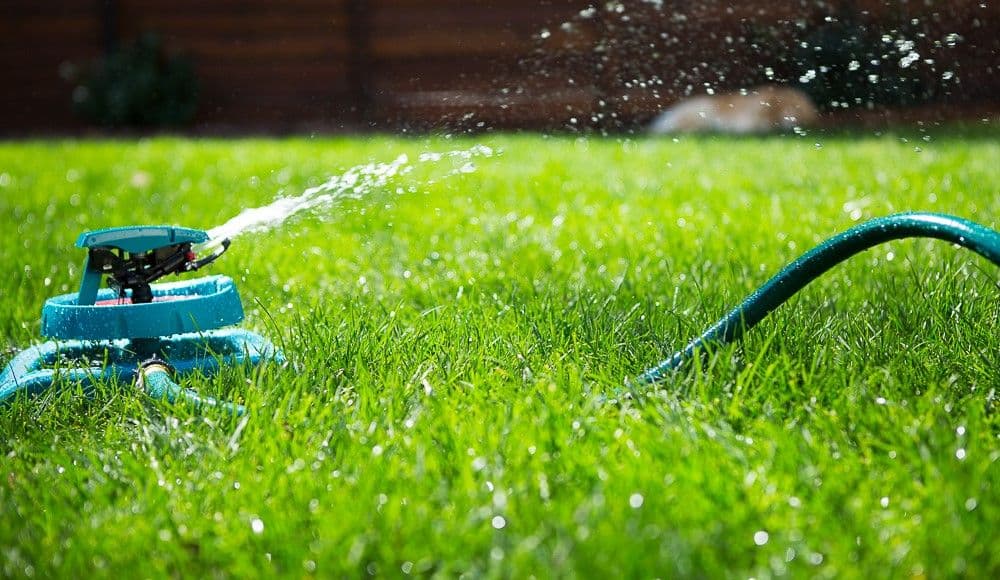
Best Time to Water Grass in Summer – Lawn Watering Tips

5 min read · 21 Jul 2026

Best Time to Water Grass in Summer – Lawn Watering Tips

Summer watering is easy to get wrong. This guide explains when to turn on your sprinkler, how much liquid your grass needs each week, and how to tell if you're overwatering or underwatering.

Plant Care
Best Time to Water Grass in Summer – Lawn Watering Tips
Best Fertilizer for Grass in Summer: How to Choose the Right One

6 min read · 18 Aug 2026

Best Fertilizer for Grass in Summer: How to Choose the Right One

The right fertilizer in summer can make a lawn thrive. The wrong one can damage it. Here, you’ll learn the best NPK ratios by grass type, when and how to apply your formula, and how to recognize the signs of over- or under-fertilizing.

Plant Care
Best Fertilizer for Grass in Summer: How to Choose the Right One
Rice Water for Plants – Which Plants Love It and How to Make It

8 min read · 14 Jul 2026

Rice Water for Plants – Which Plants Love It and How to Make It

Rice water can be an ideal DIY solution for orchids, roses, or fruiting plants. It supports growth, leaf count, and height. We’ll share how to make and apply it correctly for your plant.

Plant Care
Rice Water for Plants – Which Plants Love It and How to Make It