







Best Soil for Asparagus fern (Asparagus setaceus)

A loose, organic-rich mix helps Asparagus setaceus keep healthy roots by balancing moisture retention with steady drainage and air flow.

Soil Texture

Loamy, Sandy, Organic-rich

Soil pH

Acidic (5.5–6.5), Slightly acidic (6.5–7.0)

Soil Drainage

Moist but well-drained

Asparagus setaceus Soil Guide

Native to southern Africa, Asparagus setaceus grows in warm, lightly shaded settings where soil stays evenly moist but does not remain soggy. That background explains why it prefers a loose, organic-rich substrate with good airflow around the roots.

Its fine root system and water-storing tuberous roots benefit from soil that holds some moisture while draining freely. The best soil for Asparagus fern feels light and loamy, with some sandy character, so roots can spread easily without sitting in dense, airless conditions.

A simple homemade mix gives Asparagus setaceus the balance of airflow and moisture retention its roots handle well in containers.

100% total mix = 20 scoops
15%
coco coir or compost3 scoops
20%
perlite or pumice4 scoops
25%
pine bark fines or orchid bark5 scoops
40%
high-quality potting soil8 scoops

The finished blend should feel light, springy, and crumbly, with water moving through evenly instead of pooling.

This species can react poorly when the root zone stays stale or compressed for long periods. Soil is worth checking when growth changes without another clear cause.

Compacted mix:

Compacted mix: if the surface hardens and water lingers or runs down the pot edge, gently loosen only the top layer and plan to refresh the medium soon.

Soggy root zone:

Soggy root zone: consistently heavy soil can limit oxygen around the fleshy roots, so check drainage and let excess moisture leave the container fully.

Breakdown over time:

Breakdown over time: older organic material can collapse into finer particles, so if Asparagus setaceus seems to sit in denser soil than before, replace it with a fresher blend.

Salt buildup:

Salt buildup: a crust on the surface or pot rim can point to accumulated minerals, so scrape off the top layer and flush the pot thoroughly.

Scan for Better Soil

Use Botan to compare your plant’s needs with your current mix and choose a more suitable soil setup for steady growth.

FAQ

Yes. Drainage holes help excess water leave the container, which protects the root zone from staying waterlogged and compact. They also make it easier to keep the potting soil for Asparagus fern evenly moist, not saturated.

Everything About Asparagus fern

More Plant Soil Guides

Check Your Soil Choice

Botan can help assess whether soil may be part of the issue by reviewing visible stress signs from a photo.

Botan app helping with soil and plant care
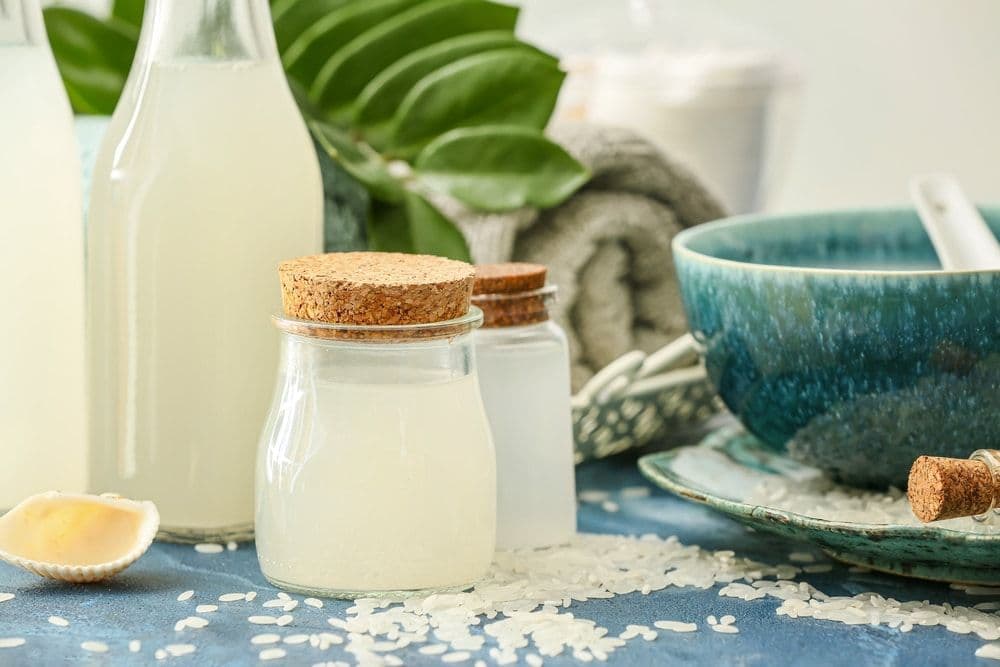
Rice Water for Plants – Which Plants Love It and How to Make It

8 min read · 14 Jul 2026

Rice Water for Plants – Which Plants Love It and How to Make It

Rice water can be an ideal DIY solution for orchids, roses, or fruiting plants. It supports growth, leaf count, and height. We’ll share how to make and apply it correctly for your plant.

Plant Care
Rice Water for Plants – Which Plants Love It and How to Make It
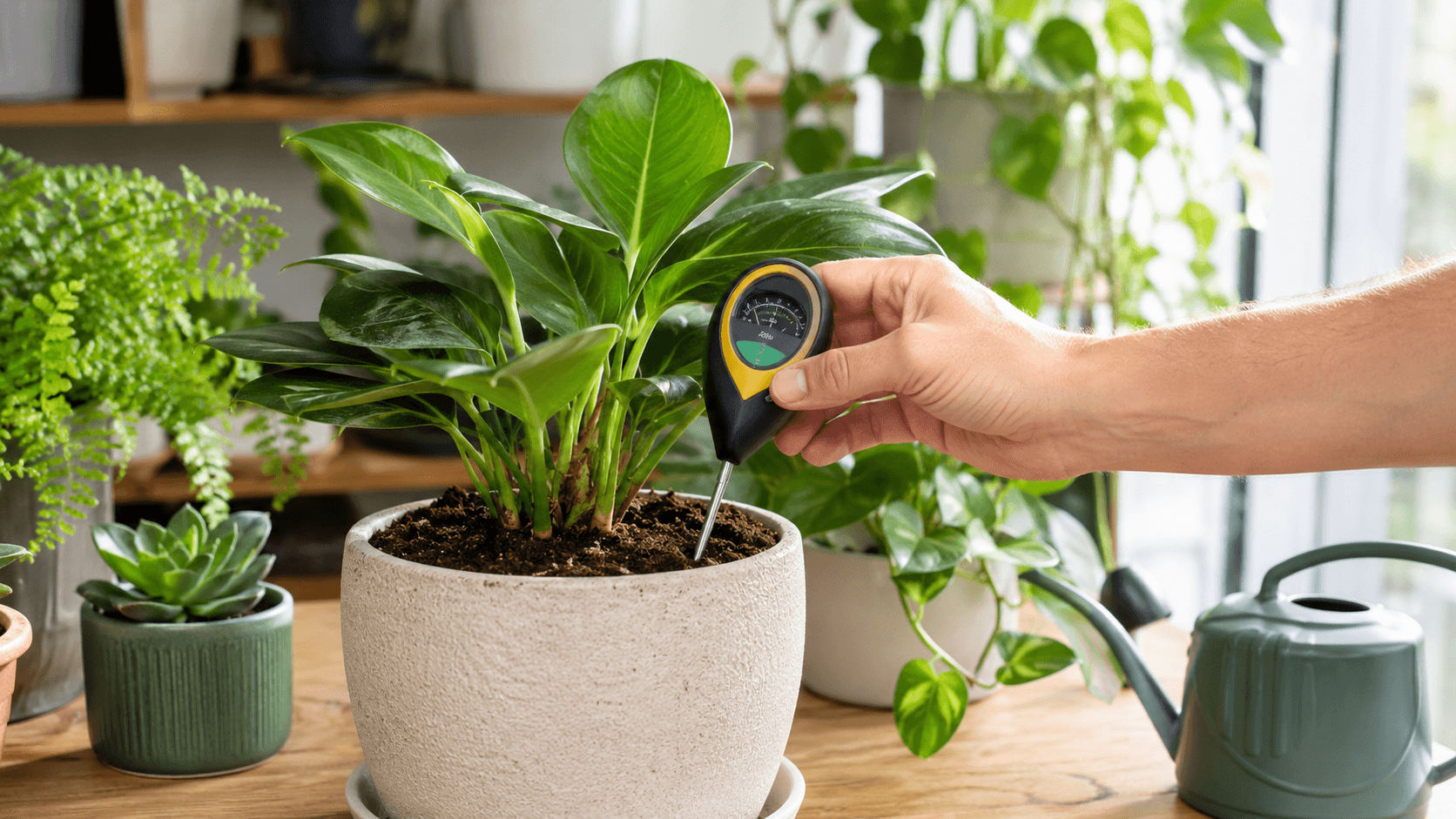
How to Use a Moisture Meter for Plants

5 min read · 4 Sept 2026

How to Use a Moisture Meter for Plants

Watering by feel kills plenty of houseplants. A moisture meter checks the soil for you, and takes the guesswork out of it. This guide will show you how to use it correctly, from the first touch to the final reading.

Beginner Guides
How to Use a Moisture Meter for Plants
Plants That Repel Mosquitoes – 10 Effective Choices

8 min read · 6 Jul 2026

Plants That Repel Mosquitoes – 10 Effective Choices

Plants that repel mosquitoes can help mask human scent naturally and make outdoor spaces more comfortable. Explore the most effective options, their benefits and drawbacks, and choose the right plant for your space.

Plant Recommendations
Plants That Repel Mosquitoes – 10 Effective Choices