
Asparagus fern Identification (Asparagus setaceus)

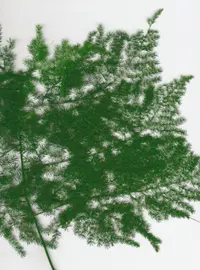
Recognize Asparagus setaceus by its wiry, arching green stems lined with flat, triangular sprays of very fine needlelike branchlets. The true leaves are tiny scales, so the soft foliage appears in layered, lacy planes rather than on broad leaf blades.

Plants usually climb or scramble, with stems that can extend several feet (about 1-2 m).

Asparagus setaceus Identification

Identify Your Plant with Botan

Upload a clear image to check whether your plant ID is correct.

Clear images work best. Avoid photos taken too close or too far away

Check the overall form and stem details of Asparagus setaceus.

  • Long, wiry stems arch or climb and branch into flat, airy sprays.
  • The apparent leaves are tiny branchlets packed in soft, feathery clusters, each under 1 inch (2.5 cm) long.
  • Main stems often carry small, curved spines at the nodes, where side branches emerge.
  • Sprays are triangular to broadly oval in outline, with many fine side branchlets held in one plane.

Look closely at the stems, since the small spines are a useful confirming feature.

Asparagus setaceus shows several visible shifts in structure as stems lengthen and reproduction begins.

  • Young plant: Early growth forms a small tuft of upright green stems with sparse side branching and short, soft, feathery cladodes held close to the stem.
  • Mature plant: Older plants produce longer, arching to climbing stems, often 3-10 feet (0.9-3 m), with broader, layered sprays and a more open, vine-like outline.
  • Flowering stage: Small white star-like flowers appear singly or in pairs along fine branchlets, adding visible dots among the foliage rather than changing the overall feathery form.
  • Fruiting stage: After flowering, round green berries develop and later turn dark, standing out clearly against the airy branchlets and marking a reproductive stage absent in younger plants.

In warm conditions, Asparagus setaceus may show small white flowers from late spring into summer. These are starry and lightly spaced along the fine, fernlike branchlets, so they can be easy to miss until the plant is close. After flowering, small round berries may develop and become the clearest seasonal clue. They turn dark purple to black when ripe, standing out against the soft green foliage.

A few airy, fine-textured plants are regularly mistaken for Asparagus fern.

asparagus fern(Asparagus densiflorus)

Often confused because both have soft, feathery cladodes, but A. densiflorus is denser and bushier. Its branchlets are shorter and packed more tightly, giving a fuller plume rather than a flat, lacy spray.

lace fern(Asparagus retrofractus)

This species can look similar from a distance because it also has fine green branchlets. It differs by having stiffer, more upright, zigzagging stems and a coarser texture, not the delicate triangular fronds seen here.

Asparagus setaceus is native to southern Africa, including South Africa, Mozambique, and Eswatini. In the wild it occurs in forest margins, thickets, and shaded scrub, often scrambling through other vegetation rather than standing alone. That setting helps with identification because this species is more often linked to sheltered, semi-shady woodland edges than to open desert or wetland habitats. A plant found naturalized in similar brushy, shaded places fits Asparagus setaceus better than many unrelated feathery-looking species.

  • Berries and foliage: Asparagus setaceus is considered toxic if eaten. The berries are the main concern, but foliage can also cause stomach upset. This relates to ingestion by humans and pets.
  • Thorns and skin contact: The wiry stems can carry small sharp thorns that may scratch skin during handling. This is a physical injury risk for humans rather than a poisoning risk.

Check Your Plant ID

Use Botan to identify or confirm it from a photo, which helps avoid mix-ups with similar houseplants.

FAQ

Yes. After its small white flowers, this species can form small green berries that ripen dark purple to black. Berry presence helps Asparagus setaceus identification, but many indoor plants never fruit.

More Plant Identification Guides

Scan Your Plant. Get the Details.

Identify it from a photo with Botan, then review species-specific care information, plant details, and common problems.

Botan app identifying a plant from a photo
Can Plants Grow With Artificial Light?

6 min read · 15 Sept 2026

Can Plants Grow With Artificial Light?

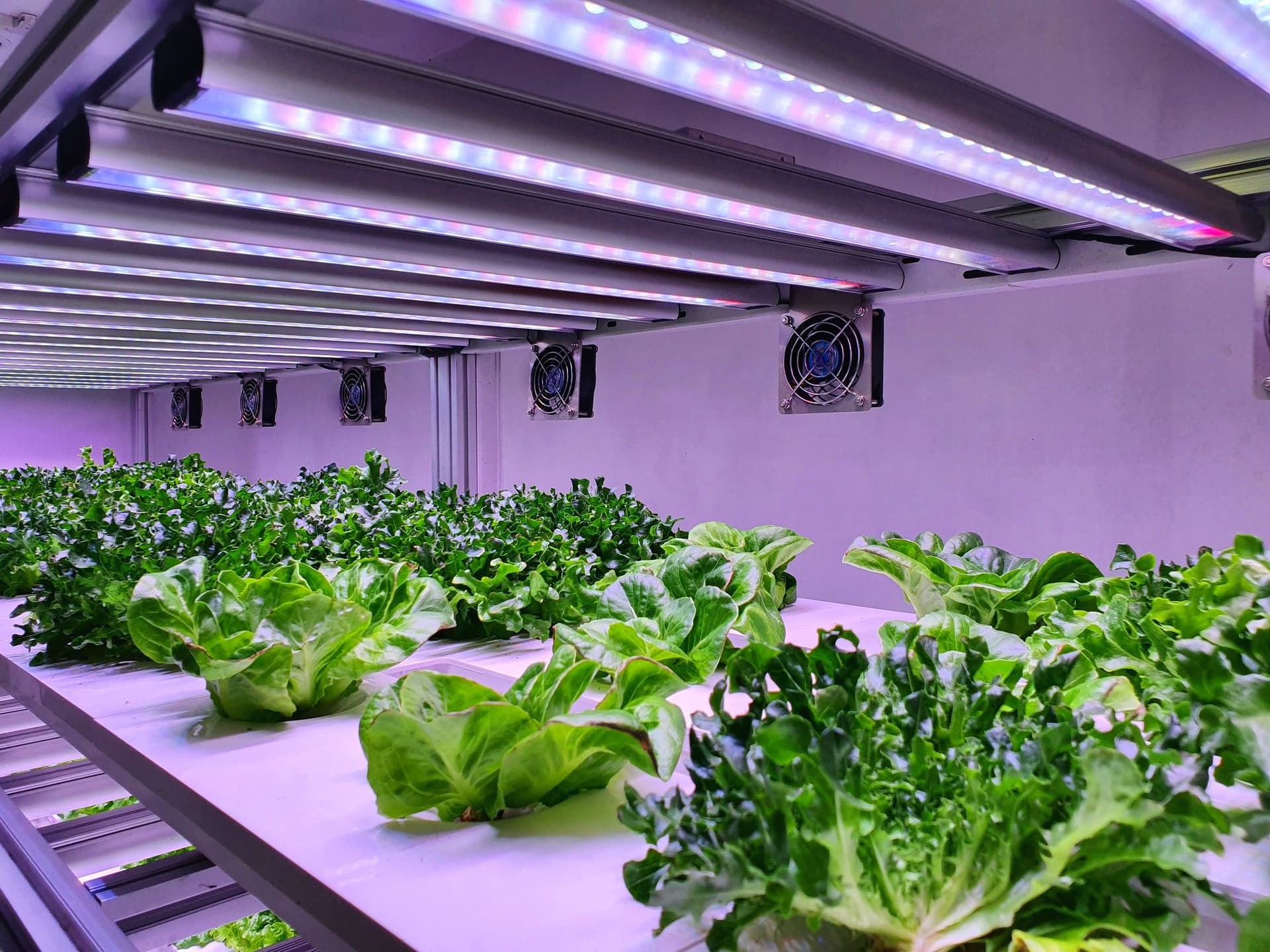
Plants can grow under artificial light when the setup provides a suitable spectrum, enough intensity, and sufficient daily exposure. This guide explains how artificial lighting compares with sunlight, which options work indoors, and how to match a setup to houseplants.

Plant Care

Can Plants Grow With Artificial Light?
How Fast Does Bamboo Grow Per Day, Month, and Year

10 min read · 7 Jul 2026

How Fast Does Bamboo Grow Per Day, Month, and Year

Bamboo grows extremely fast: some species can reach 5-6 m in just 3-4 months under the right conditions. This guide explains how much bamboo can grow per day, week, and year, and what affects its growth rate.

Plant Recommendations
How Fast Does Bamboo Grow Per Day, Month, and Year
Banana Peel Water for Plants: 5 Things to Know Before Trying It

5 min read · 9 Jul 2026

Banana Peel Water for Plants: 5 Things to Know Before Trying It

Banana water can provide potassium and some nutrients that may support plant growth, but it is not a universal fix. Use it carefully and only when the plant actually shows signs of nutrient deficiency rather than as a routine treatment.

Plant Care
Banana Peel Water for Plants: 5 Things to Know Before Trying It