

English Ivy Identification (Hedera helix)

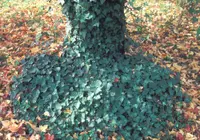
Recognize English Ivy by its evergreen climbing stems with many short rootlets and simple leaves borne alternately. Juvenile leaves are 2 to 4 inches (5 to 10 cm) wide and usually have three to five pointed lobes.

On older, non-climbing stems, leaves turn unlobed and diamond to oval.

Hedera helix Identification

Check Your Plant ID

Take a photo and use Botan to confirm your plant identification.

Clear images work best. Avoid photos taken too close or too far away

Check the vine form and leaf shape first on Hedera helix.

  • Stems climb and spread, often rooting to surfaces with short aerial rootlets.
  • Leaves are simple and alternate, usually 2-4 inches (5-10 cm) long, with 3-5 pointed lobes and a broader middle lobe.
  • Leaf veins radiate from the base like fingers from a hand.
  • Fruits are small, round, dark berries held in tight clusters.

Older stems can become thick and woody.

Hedera helix shows clear age-related changes in leaf shape, growth form, and reproductive structures.

  • Juvenile plant: Trailing or climbing stems carry alternate, palmately lobed leaves, usually with 3-5 lobes. This is the familiar nonflowering phase, often rooting along stems.
  • Mature plant: After climbing and reaching support, upper shoots become thicker and self-supporting. Leaves shift to unlobed, oval or diamond-shaped blades, unlike the lobed juvenile foliage.
  • Flowering stage: Adult shoots end in rounded clusters of small greenish flowers held above the foliage. Flowering appears only on mature, unlobed branches, not juvenile climbing stems.
  • Fruiting stage: The same adult branchlets carry spherical berries about 1/4 inch (6 mm) wide, turning dark as they ripen and remaining in rounded clusters.

English Ivy has many named forms with stable leaf patterns that are easy to separate by sight.

  • 'Glacier': Small leaves are gray-green with narrow creamy white margins and often irregular pale speckling across the blade.
  • 'Goldchild': Leaves have broad golden-yellow margins around a medium green center, creating a brighter two-tone look than the typical form.
  • 'Needlepoint': Leaves are deeply cut into narrow pointed lobes, giving a finer, star-like outline instead of the usual broad triangular shape.
  • 'Ivalace': Leaves are small and strongly curled with ruffled edges, so stems look lacy and textured rather than flat.
  • 'Sagittifolia': Leaves are arrowhead-shaped with long side lobes, producing a noticeably narrower silhouette than standard juvenile leaves.

English Ivy stays leafy year-round, so there is no winter bare-stem phase. In late summer to fall, mature climbing stems may show small yellow-green flower clusters. By late fall into winter, those flowers can be followed by round, dark berries on mature plants, adding a noticeable seasonal clue when present.

Several vines are mistaken for Hedera helix at a glance.

Boston ivy(Parthenocissus tricuspidata)

Both climb walls with lobed leaves. Boston ivy has larger, thinner leaves and adhesive pads at tendril tips, not clinging rootlets along the stem.

Virginia creeper(Parthenocissus quinquefolia)

Young growth can suggest ivy, but Virginia creeper has five separate leaflets, not one simple leaf with 3 to 5 lobes.

Algerian ivy(Hedera algeriensis)

Often sold as ivy and confused in landscapes. Its leaves are broader, less deeply lobed, and typically larger than English ivy leaves.

Hedera helix is native across much of Europe, western Asia, and parts of North Africa. It naturally occurs in woodland, hedgerows, rocky slopes, cliffs, and shaded banks, often in lowland to lower montane areas. That setting helps with identification because true wild plants are most often seen climbing tree trunks, walls, or rocks in shaded, humid sites rather than open wetlands, deserts, or alpine ground.

  • Ingestion: Leaves and berries are poisonous if eaten by humans and pets. Ingestion can cause stomach upset and other toxic effects.
  • Skin contact: Sap and leaf surface compounds can irritate human skin in some people, causing contact dermatitis after handling or pruning.

Scan. Check. Confirm.

Use Botan to identify or verify a plant from a photo, helping avoid mix-ups before you label it or compare similar plants.

FAQ

Yes. Most English Ivy identification relies on the leaves and stems. Juvenile shoots usually have 3 to 5 lobes and cling with short aerial rootlets, while adult shoots have unlobed, diamond- to oval-shaped leaves.

Everything About English Ivy

More Plant Identification Guides

Know What Plant You Have

Identify a plant from a photo with Botan, then review species details, care information, and common problems.

Botan app identifying a plant from a photo
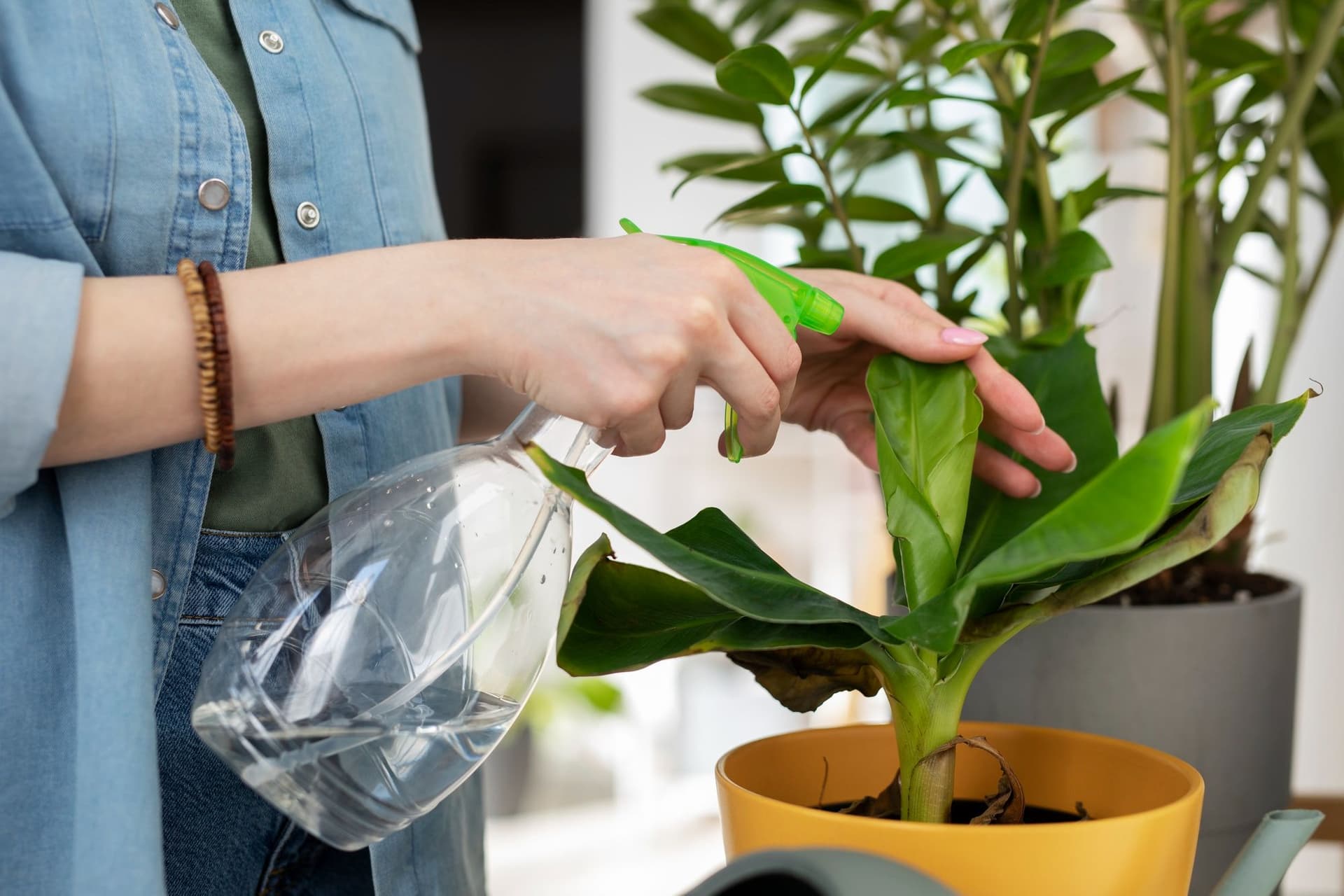
How to Mist Plants – Proper Technique and Common Mistakes

7 min read · 30 Jul 2026

How to Mist Plants – Proper Technique and Common Mistakes

Find out when misting works well and when to avoid it. Here, you’ll find detailed information about compatible and incompatible species, tips on how often to mist plants and do it correctly, and some great alternatives for raising humidity.

Beginner Guides
How to Mist Plants – Proper Technique and Common Mistakes
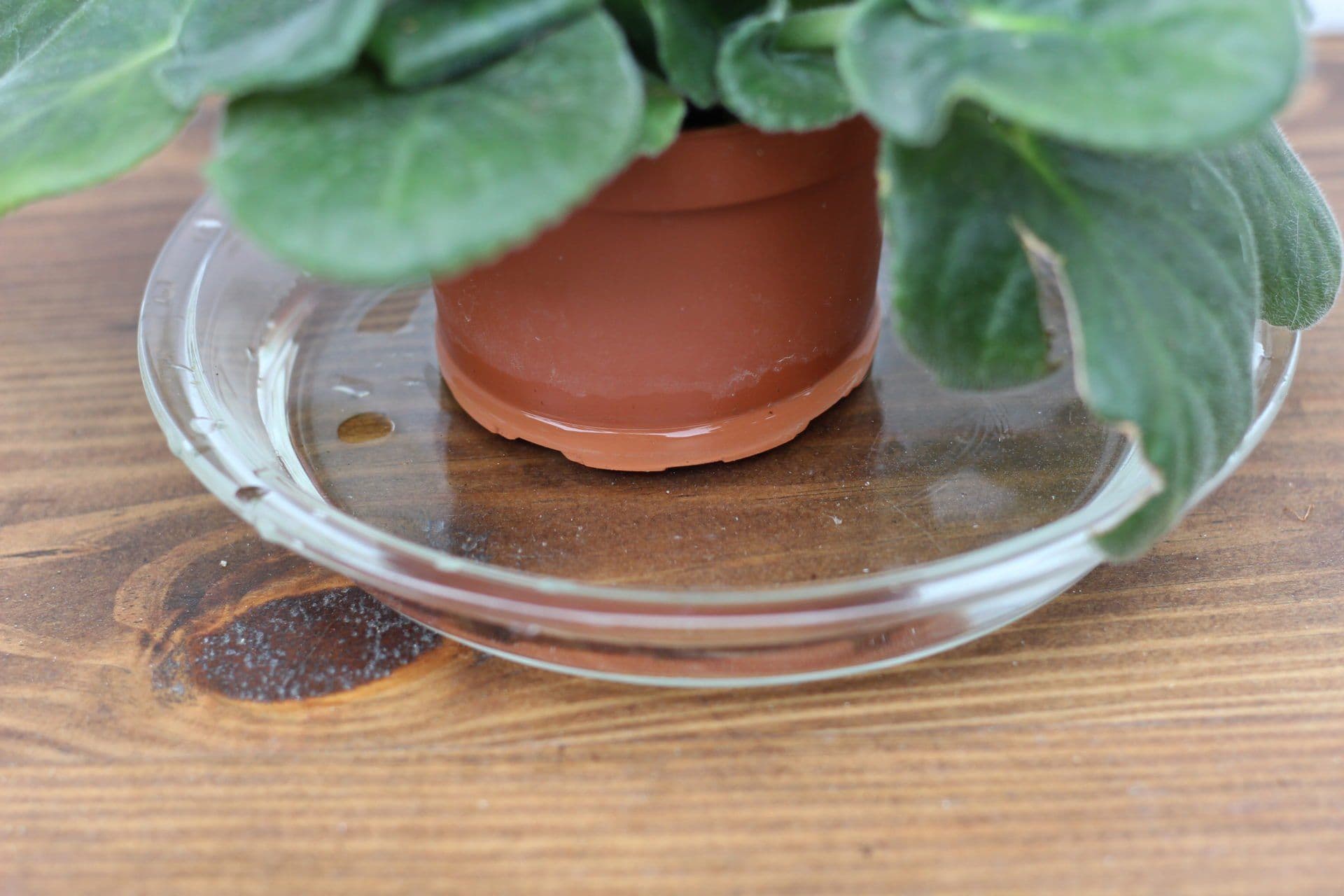
How to Bottom Water Plants: Complete Guide

6 min read · 13 Jul 2026

How to Bottom Water Plants: Complete Guide

Bottom watering helps soil absorb moisture evenly and keeps foliage dry, reducing the risk of missed dry spots or root problems. Place the pot in a tray of water for a short time, then let it drain well.

Plant Care
How to Bottom Water Plants: Complete Guide
20 Most Popular Fruits Around the World

7 min read · 22 Jul 2026

20 Most Popular Fruits Around the World

Curious which fruits the world actually eats the most? Here's the top-20 by production volume, an overview of what people choose in each region, and a few figures that defy common assumptions.

Plant Recommendations
20 Most Popular Fruits Around the World