



Best Soil for English Ivy (Hedera helix)

For Hedera helix, the right soil texture, drainage, and pH support steady root growth and help maintain overall plant health.

Soil Texture

Loamy, Clay, Organic-rich

Soil pH

Acidic (5.5–6.5), Slightly acidic (6.5–7.0)

Soil Drainage

Moist but well-drained

Hedera helix Soil Guide

Native to Europe and western Asia, Hedera helix often grows in woodland soils rich in fallen leaf matter. That setting helps explain why English Ivy soil should hold some moisture and organic matter while still letting excess water move through.

Its roots are fairly fine and shallow rather than built to sit in dense, airless soil. The best soil for English Ivy is loamy to clay-leaning but open enough for oxygen to reach the roots. A slightly acidic to neutral reaction suits its steady, moderate growth.

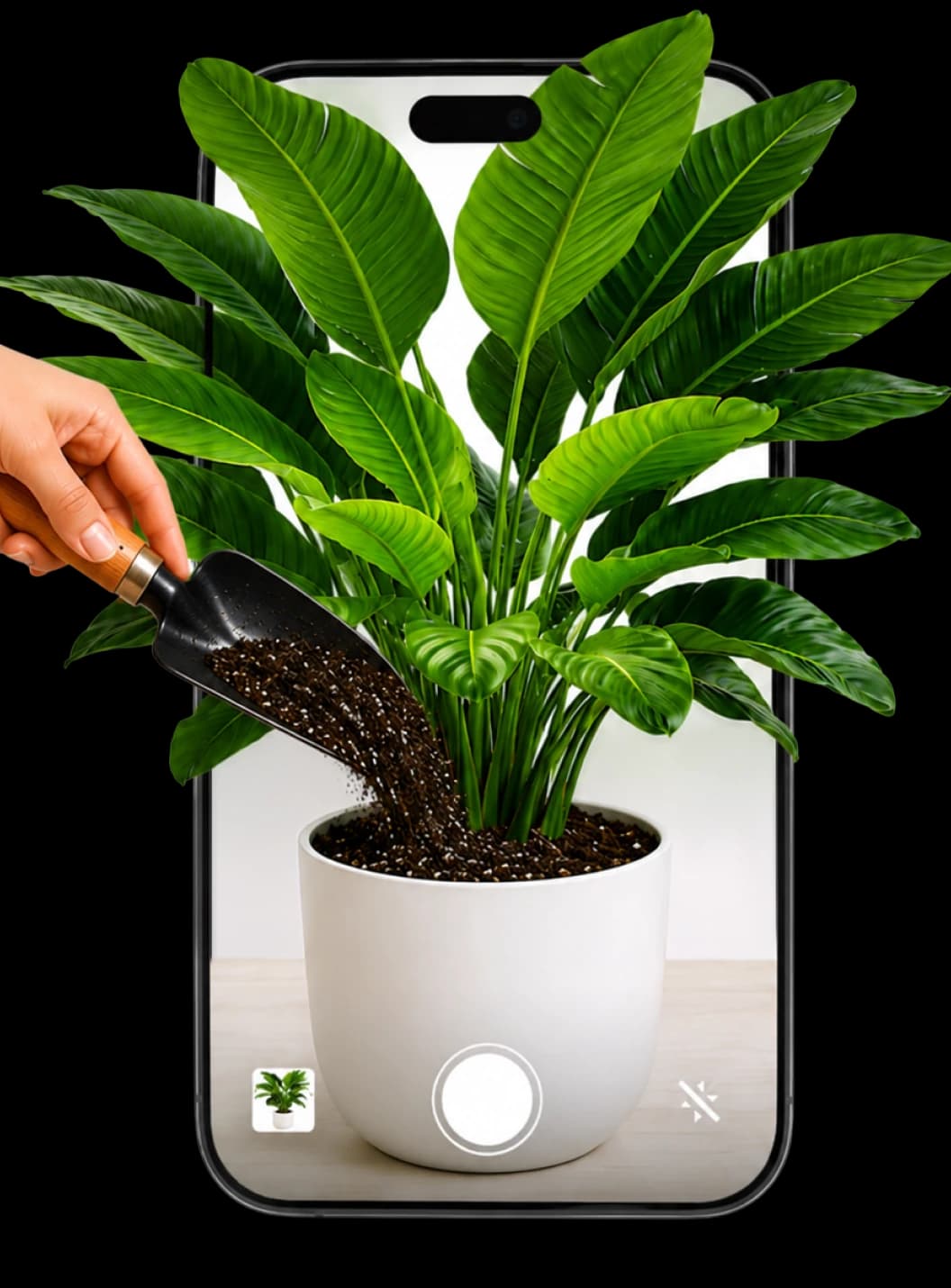
A simple homemade mix gives Hedera helix balanced moisture retention and airflow without becoming heavy in the pot.

100% total mix = 20 scoops
15%
coco coir3 scoops
20%
perlite or pumice4 scoops
25%
compost or fine bark5 scoops
40%
high-quality potting soil8 scoops

The finished blend should feel crumbly, lightly springy, and moistening evenly while letting excess water pass through at a steady pace.

A slightly acidic to near-neutral range of 5.5–7.0 pH suits English Ivy well. Within that range, major nutrients stay more available, so roots can absorb them without the chemical imbalances that show up in strongly alkaline or very acidic media.

The species can handle some variation, but staying close to the middle of that range usually supports the most consistent nutrient uptake over time.

This species can decline in stale, airless media, especially when roots stay crowded in wet conditions. Check the root zone first before assuming another cause.

Compacted soil:

Dense media that stays heavy after watering can reduce root oxygen; gently loosen the top layer and plan to replace the mix if it no longer opens up.

Waterlogged roots:

A sour smell or soil that stays wet for many days can point to poor aeration; pause extra moisture and confirm the container drains freely.

Hydrophobic mix:

If the surface sheds water and the root ball stays dry inside, rewet the soil slowly and evenly instead of flooding it once.

Salt buildup:

A crust on the surface or pot rim can mean mineral accumulation; flush the mix thoroughly and review whether residues are collecting over time.

Soil Advice in Seconds

Botan helps match this plant to a more suitable soil setup by comparing visible growth habits with care factors that affect root health.

FAQ

Yes. A pot that is deeper than the root system can leave unused soil wet for too long, while a shallow container may dry faster and limit anchoring.

Everything About English Ivy

More Plant Soil Guides

Check Your Soil Choice

If growth or leaf condition seems off, soil may be one factor worth checking. Botan’s photo-based assessment can help point to likely care issues.

Botan app helping with soil and plant care
Rice Water for Plants – Which Plants Love It and How to Make It

8 min read · 14 Jul 2026

Rice Water for Plants – Which Plants Love It and How to Make It

Rice water can be an ideal DIY solution for orchids, roses, or fruiting plants. It supports growth, leaf count, and height. We’ll share how to make and apply it correctly for your plant.

Plant Care

Rice Water for Plants – Which Plants Love It and How to Make It
How Fast Does Bamboo Grow Per Day, Month, and Year

10 min read · 7 Jul 2026

How Fast Does Bamboo Grow Per Day, Month, and Year

Bamboo grows extremely fast: some species can reach 5-6 m in just 3-4 months under the right conditions. This guide explains how much bamboo can grow per day, week, and year, and what affects its growth rate.

Plant Recommendations
How Fast Does Bamboo Grow Per Day, Month, and Year
How to Mist Plants – Proper Technique and Common Mistakes

7 min read · 30 Jul 2026

How to Mist Plants – Proper Technique and Common Mistakes

Find out when misting works well and when to avoid it. Here, you’ll find detailed information about compatible and incompatible species, tips on how often to mist plants and do it correctly, and some great alternatives for raising humidity.

Beginner Guides
How to Mist Plants – Proper Technique and Common Mistakes