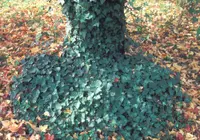


English Ivy (Hedera helix) Light Needs

English Ivy grows best in bright, indirect or filtered light, with gentle morning sun and protection from harsh afternoon rays.

Light Preference

Partial Shade

Hedera helix Light Requirements

Hedera helix is native to much of Europe, western Asia, and North Africa, where it grows in woodlands, hedgerows, cliffs, and shaded ground. Young growth often starts in partial shade, while climbing stems may receive brighter seasonal light. This background explains its tolerance of shade and some sun in cultivation. English Ivy prefers bright indirect or filtered light with some gentle sun.

  • Ideal exposure:

    English Ivy needs about 6–8 hours of bright, indirect or filtered light daily, including 1–3 hours of gentle direct morning sun.

  • Direct sun:

    Limit indoor direct sun to 1–3 hours of morning light; longer exposure is safest only outdoors in cool, acclimated conditions.

  • Lower light:

    Shade is tolerated, but growth may become slower, looser, and less colorful in consistently dim rooms.

  • Afternoon risk:

    Hot afternoon sun through glass is the riskiest exposure and should be filtered or avoided.

Indoors, English Ivy does best close to bright filtered light, not in a dim corner.

NConditional
North-facing window:

Use an unobstructed north window only if the plant sits close to the glass and still makes compact new growth.

EBest
East-facing window:

An east window is usually best because it provides gentle morning sun and bright light for the rest of the day.

SSuitable
South-facing window:

A south window works well when direct midday sun is filtered with a sheer curtain or the plant sits 2–4 ft back.

WConditional
West-facing window:

A west window is usable if afternoon sun is filtered; unfiltered heat through glass can scorch exposed leaves.

Move the plant a little closer or farther from the window based on new growth, not older leaves alone.

Excess light usually shows on the most exposed leaves first, especially indoors near hot glass.

Bleached patches:

Sun-facing leaves may develop pale, washed-out areas after a sudden move into strong sun.

Tan scorch:

Dry tan marks can appear where hot glass-amplified rays hit thin leaf surfaces.

Crisped lobes:

Leaf tips and lobes may turn crisp on the brightest side of the vine.

Heat curl:

Leaves exposed to harsh afternoon sun may curl slightly and feel dry or leathery.

Shift Hedera helix out of the direct beam, or filter the sun with a sheer curtain. Keep the brighter location only if direct sun is limited to cooler morning hours.

Low light often changes the shape, spacing, and color of new growth before older leaves show problems.

  • Stretched vines:

    Stems may grow long and sparse, with wider gaps between leaves.

  • Leaning growth:

    New shoots may angle strongly toward the nearest bright area.

  • Smaller leaves:

    Fresh leaves can emerge smaller than normal when light stays weak for weeks.

  • Fading variegation:

    Variegated forms may produce greener leaves because green tissue captures light more efficiently.

  • Slow active growth:

    Growth may stall in spring or summer even when temperature is suitable.

Move Hedera helix gradually into brighter indirect light rather than sudden full sun. Recheck the plant after several weeks of new growth.

If ideal light is limited, choose the brightest filtered spot available rather than deep shade. Keep direct sun brief and early, or soften stronger rays with a sheer curtain.

Rotate the pot every 1–2 weeks so each side receives similar light and vines grow more evenly.

A hot, unfiltered afternoon beam is unsuitable because it can scorch exposed leaves faster than the plant can adjust.

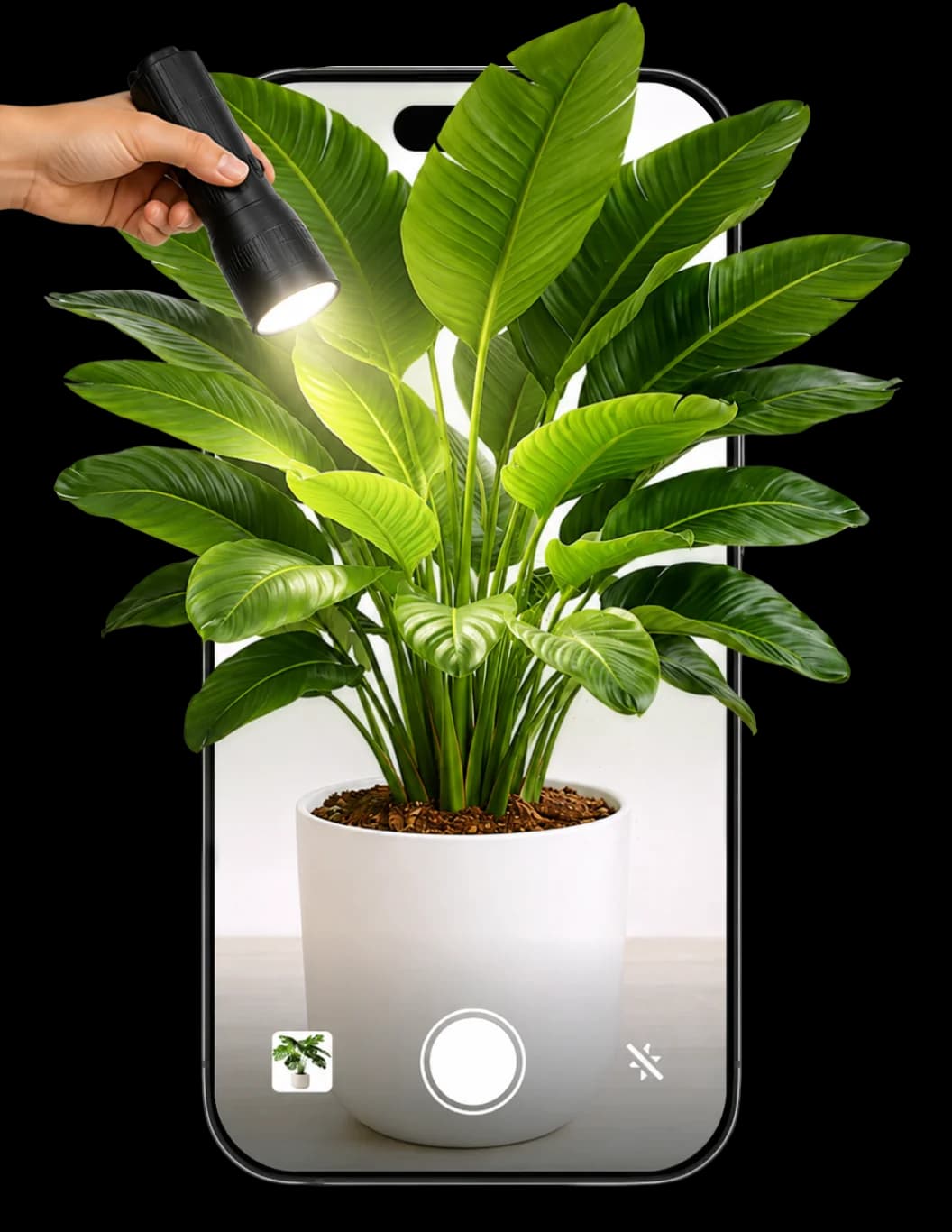
Get Personalized Care Plan

Scan your plant to receive care tips personalized for your specific plant

FAQ

English Ivy light requirements are best met with bright, indirect or filtered light for most of the day, plus a short period of gentle morning sun if available.

More Plant Light Guides

Get the Botan App

Discover how to care for your plants with Botan.

Botan app identifying a plant with a phone camera
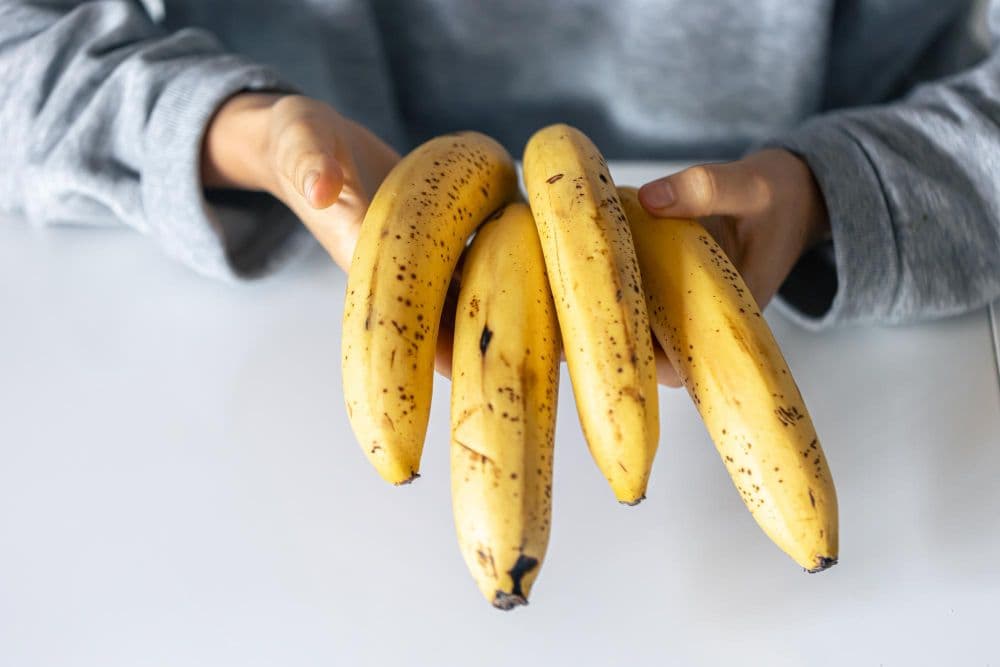
Banana Peel Water for Plants: 5 Things to Know Before Trying It

5 min read · 9 Jul 2026

Banana Peel Water for Plants: 5 Things to Know Before Trying It

Banana water can provide potassium and some nutrients that may support plant growth, but it is not a universal fix. Use it carefully and only when the plant actually shows signs of nutrient deficiency rather than as a routine treatment.

Plant Care
Banana Peel Water for Plants: 5 Things to Know Before Trying It
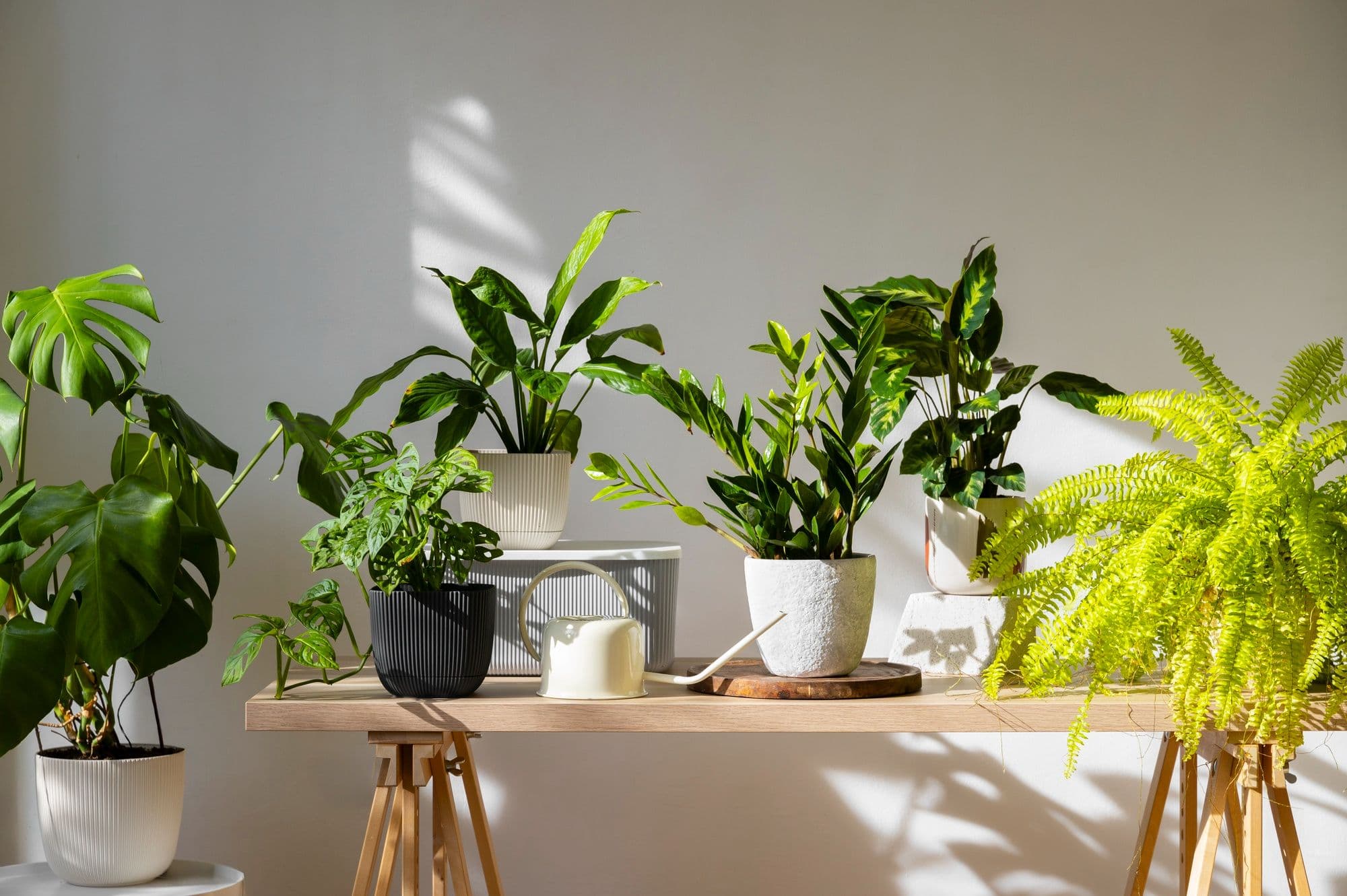
Top 5 Best Indoor Plants for Air Quality

5 min read · 11 Sept 2026

Top 5 Best Indoor Plants for Air Quality

Indoor plants can make a room feel fresher thanks to their air-purifying qualities. Here are 5 of the most suitable choices for your routine and living space.

Plant Recommendations
Top 5 Best Indoor Plants for Air Quality
20 Most Popular Fruits Around the World

7 min read · 22 Jul 2026

20 Most Popular Fruits Around the World

Curious which fruits the world actually eats the most? Here's the top-20 by production volume, an overview of what people choose in each region, and a few figures that defy common assumptions.

Plant Recommendations
20 Most Popular Fruits Around the World