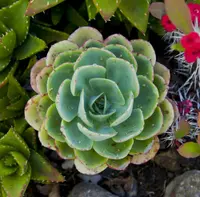


Mexican Snowball (Echeveria elegans) Light Needs

Mexican Snowball grows best in full sun to very bright light, with several hours of direct sun daily.

Light Preference

Full Sun

Echeveria elegans Light Requirements

Mexican Snowball is native to rocky, semi-arid areas of Mexico, where light is strong and shade is limited. In habitat, rosettes often grow in open exposures or among rocks, receiving direct sun with some protection from the hottest angles. Cultivated plants keep their compact shape and pale coating best when light is strong. It prefers full sun to very bright light.

  • Ideal exposure:

    Mexican Snowball needs about 6–8 hours of bright light daily, ideally full sun, including 4–6 hours of direct sun.

  • Direct sun tolerance:

    Established plants tolerate full sun, but sudden midday exposure can scorch leaves that grew indoors or in shade.

  • Lower light limit:

    Bright indirect light alone may keep it alive, but growth often becomes stretched and less compact.

  • Best sun timing:

    Morning sun is safest, while hot afternoon sun should be introduced gradually.

Indoors, Mexican Snowball needs the brightest window available, not a shaded corner.

NPoor
North-facing window:

A north-facing window is usually too dim and often leads to stretched, open growth.

ESuitable
East-facing window:

An east-facing window is suitable if the plant sits close to the glass and receives several hours of direct morning sun.

SBest
South-facing window:

A south-facing window is best, especially within 1–2 ft of the glass where direct sun reaches the rosette.

WConditional
West-facing window:

A west-facing window can work if the plant is acclimated gradually or set back slightly from intense afternoon rays.

If growth starts leaning toward the glass, rotate the pot a quarter turn every 1–2 weeks.

Too much light is usually a problem after a sudden move into stronger sun.

Bleached patches:

Leaves may develop pale cream or white areas on the sun-facing side after sudden exposure.

Tan scarring:

Burned spots can dry into rough tan marks that do not turn green again.

Collapsed spots:

Severe sunburn may leave sunken, dry patches where leaf tissue was damaged.

Uneven fading:

The most exposed side may look washed out while shaded leaves remain normal.

Move the plant out of harsh afternoon sun and reintroduce stronger light gradually. A sheer curtain or a few feet of extra distance can reduce stress while keeping the light bright.

Echeveria elegans shows low-light stress mainly through changes in shape.

  • Stretched center:

    New growth may rise upward instead of staying in a tight, low rosette.

  • Open rosette:

    Leaves may spread farther apart, making the plant look flatter and less compact.

  • Leaning growth:

    The whole rosette may angle toward the strongest light source.

  • Smaller new leaves:

    New leaves may form smaller and weaker during the active growing season.

  • Fewer flowers:

    Blooming may be reduced when light stays too weak for long periods.

Move the plant into brighter light in steps, starting with morning sun. Avoid a sudden jump from shade to harsh direct sun.

If ideal full sun is not available, choose the brightest area that gives several hours of gentle direct sun rather than all-day shade.

Move the pot closer to the light source when new growth opens up, and rotate it regularly so the rosette stays even.

A dim shelf several feet from daylight is unsuitable because Echeveria elegans light needs are higher than typical room light.

Get Personalized Care Plan

Scan your plant to receive care tips personalized for your specific plant

FAQ

Mexican Snowball light requirements are full sun to very bright light, with about 6–8 hours of total daily light and several hours of direct sun when acclimated.

Everything About Mexican Snowball

More Plant Light Guides

Get the Botan App

Discover how to care for your plants with Botan.

Botan app identifying a plant with a phone camera
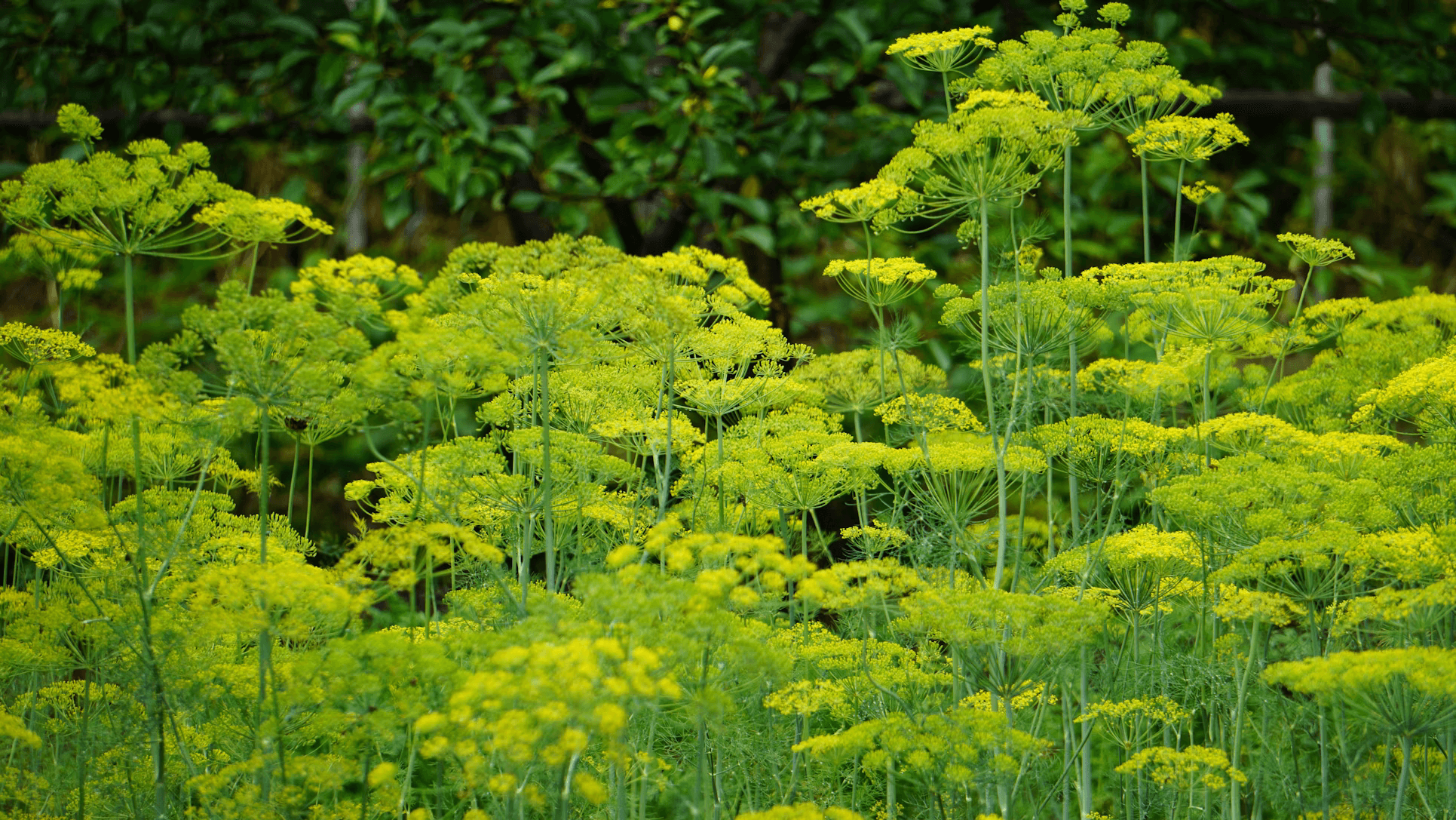
Dill Companion Plants – What to Grow Next to Dill

9 min read · 17 Jul 2026

Dill Companion Plants – What to Grow Next to Dill

Dill is an easy-to-grow plant that gets along well with many vegetables. This guide describes 15 plants that can be planted alongside it, a few to avoid, and mistakes that can quietly sabotage the entire process.

Plant Recommendations
Dill Companion Plants – What to Grow Next to Dill
10 Easy Garden Flowers to Grow

8 min read · 10 Sept 2026

10 Easy Garden Flowers to Grow

Discover 10 garden flowers that require minimal care. Learn which characteristics make plants easy to grow and follow tips on how to create a beautiful corner from beginner-friendly blooms on your property.

Beginner Guides
10 Easy Garden Flowers to Grow
Best Fertilizer for Grass in Summer: How to Choose the Right One

6 min read · 18 Aug 2026

Best Fertilizer for Grass in Summer: How to Choose the Right One

The right fertilizer in summer can make a lawn thrive. The wrong one can damage it. Here, you’ll learn the best NPK ratios by grass type, when and how to apply your formula, and how to recognize the signs of over- or under-fertilizing.

Plant Care
Best Fertilizer for Grass in Summer: How to Choose the Right One