

Baby Rubber Plant (Peperomia obtusifolia 'Variegata') Light Needs

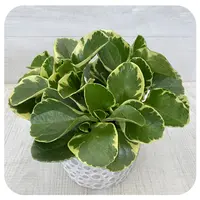
Baby Rubber Plant grows best in bright indirect light, with only brief gentle direct sun.

Light Preference

Bright Indirect Light

Peperomia obtusifolia 'Variegata' Light Requirements

In its tropical American habitat, the species grows in warm, humid places where tree cover and surrounding vegetation soften the sun. It may receive bright filtered light, partial shade, and short periods of gentle seasonal sun, rather than open all-day exposure. The variegated form keeps stronger color when cultivated in similarly bright but protected conditions. It prefers bright indirect light.

  • Ideal exposure:

    Peperomia obtusifolia 'Variegata' needs about 6–8 hours of bright indirect or filtered light daily, including up to 1–2 hours of gentle morning sun.

  • Direct sun:

    Soft early sun is usually tolerated, but midday or afternoon rays can scorch the pale variegated areas.

  • Lower light:

    It can survive in lower light, but growth often slows and the cream markings may become less distinct.

  • Shade limit:

    Deep shade is tolerated poorly indoors because it reduces new growth and weakens the compact shape.

Baby Rubber Plant is commonly grown indoors and does best near a bright window with protected light.

NConditional
North-facing window:

A north-facing window can work only if it is bright, unobstructed, and close to the glass.

EBest
East-facing window:

An east-facing window is usually best because it provides bright light with mild morning sun.

SConditional
South-facing window:

A south-facing window is suitable if the plant sits a few feet back or behind a sheer curtain.

WConditional
West-facing window:

A west-facing window needs filtering or extra distance because afternoon sun can be too hot.

Choose the brightest protected spot available, then adjust if leaves stretch or show sun marks.

Strong direct sun can mark the thick variegated leaves quickly.

Bleached patches:

Cream or green areas may look washed out after sudden exposure to direct sun.

Tan sunscald:

Dry tan spots can form on the upper leaf surface facing the window.

Warm glass side:

Leaves closest to hot afternoon glass may curl slightly or feel limp during peak sun.

Faded contrast:

New growth may lose clean color contrast when light is intense and heat builds.

Move Peperomia obtusifolia 'Variegata' back from the glass or filter the window with a sheer curtain. Keep the same orientation while it recovers so new growth can be judged fairly.

Weak light usually changes the shape before it causes obvious leaf damage. The change is often gradual.

  • Longer stems:

    Stems may stretch toward the nearest window, leaving the plant less compact.

  • Wider spacing:

    New leaves may appear farther apart because growth is reaching for stronger light.

  • Weaker variegation:

    Cream areas can become smaller or duller as the plant produces more green tissue.

  • Small new leaves:

    Fresh growth may stay smaller than older leaves during the active growing season.

Move Peperomia obtusifolia 'Variegata' to a brighter indirect position, or place it closer to an unobstructed window. Increase brightness gradually over several days.

If ideal brightness is not available, choose the brightest area that stays out of hot direct rays. A spot 1–3 ft back from intense glass often gives enough brightness without sunscald.

Rotate the pot a quarter turn every 1–2 weeks so the stems do not lean toward one side.

Do not use a dim shelf far from natural light as the main location; variegation and compact growth usually decline there.

Get Personalized Care Plan

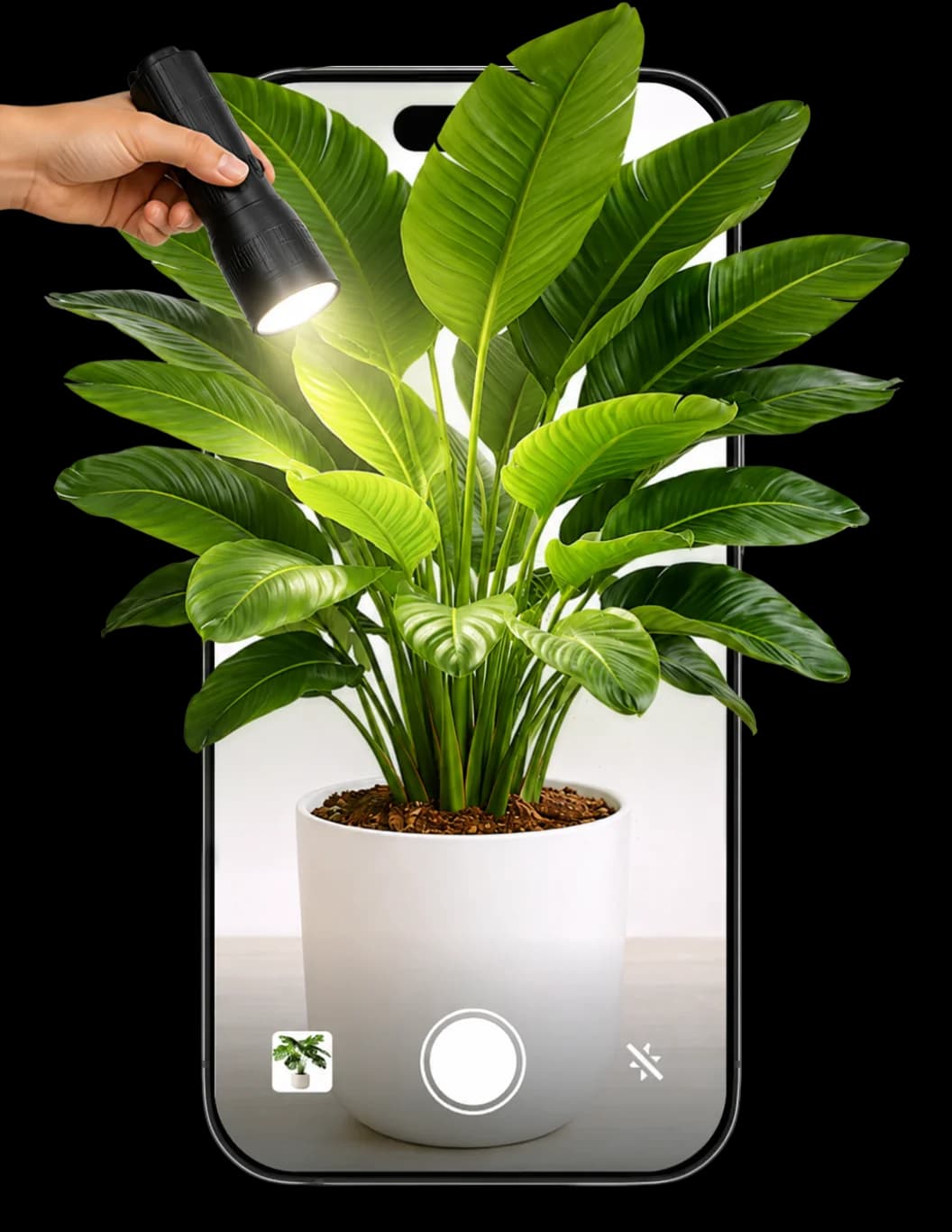
Scan your plant to receive care tips personalized for your specific plant

FAQ

The best light for Baby Rubber Plant is bright indirect light for most of the day. A little soft morning sun can help color, but harsh direct sun is not ideal.

More Plant Light Guides

Get the Botan App

Discover how to care for your plants with Botan.

Botan app identifying a plant with a phone camera
20 Funny Plant Names That Make You Laugh

8 min read · 16 Oct 2026

20 Funny Plant Names That Make You Laugh

Some plants carry names that sound like jokes. This guide explains the origins of 20 funny plant names. You will also see which of these plants you can grow at home.

Plant Recommendations
20 Funny Plant Names That Make You Laugh
How To Revive a Dying Plant: 6 Steps To Bring A Plant Back To Life

6 min read · 1 Sept 2026

How To Revive a Dying Plant: 6 Steps To Bring A Plant Back To Life

Drooping leaves and brown tips don't always mean the end, and a weakened plant can often recover with a little help. These six simple steps will help you revive a dying plant and restore its health.

Plant Care
How To Revive a Dying Plant: 6 Steps To Bring A Plant Back To Life
How to Tell if a Plant Is Dead

6 min read · 19 Aug 2026

How to Tell if a Plant Is Dead

A plant can lose its leaves, stop growing, or collapse and still remain alive. A closer look at the stems, roots, bulbs, and tubers can show whether the plant still has a chance to recover.

Beginner Guides
How to Tell if a Plant Is Dead