


Bird's nest ferns (Asplenium nidus) Light Needs

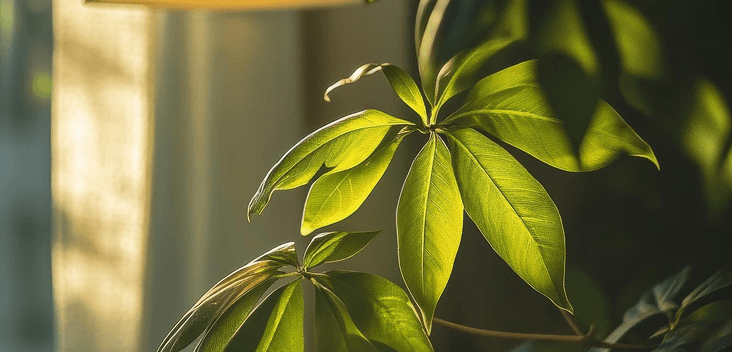
Bird's nest ferns grow best in bright, indirect light with protection from harsh direct afternoon sun.

Light Preference

Bright Indirect Light

Asplenium nidus Light Requirements

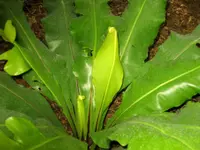
In the wild, this fern often grows as an epiphyte, anchored on tree trunks or branches in humid tropical forests. Its rosette sits below higher vegetation, where leaves receive filtered daylight, reflected light, and brief soft sun rather than open exposure. That sheltered habitat explains why cultivated plants tolerate shade but perform best with steady brightness. Preferred light is bright, indirect or filtered light.

  • Ideal exposure:

    Asplenium nidus needs about 6–8 hours of bright indirect or filtered light daily, including up to 1–2 hours of gentle direct morning sun.

  • Direct sun limit:

    Harsh midday or afternoon sun can scorch the broad fronds, especially through hot glass.

  • Lower light:

    It can tolerate moderate shade, but growth is slower and new fronds may stay smaller.

  • Best sun timing:

    Early sun is safer than late-day sun because heat and intensity are lower.

Indoors, place it where daylight is bright but softened before it reaches the fronds.

NSuitable
North-facing window:

A bright north-facing window can work if the plant sits close to the glass and the room is not dim.

EBest
East-facing window:

An east-facing window usually provides gentle morning sun and bright indirect light for the rest of the day.

SConditional
South-facing window:

Use a sheer curtain or place the plant 3–6 ft from a south-facing window to prevent direct sunburn.

WConditional
West-facing window:

A west-facing window is suitable only if late-afternoon rays are filtered or the plant sits several feet back.

Adjust placement seasonally if sunbeams begin reaching the center of the rosette.

Strong sun can mark the fronds quickly.

Bleached patches:

Pale tan or whitish areas on the sun-facing side often suggest direct light has been too intense.

Scorched spots:

Crisp brown patches may appear where hot rays hit the same section of a frond.

Faded green:

New and older fronds can look washed out instead of evenly medium green.

Heat curling:

Fronds may arch, crease, or feel papery after repeated exposure to hot glass.

Move the plant out of direct afternoon sun and filter any strong beam with a sheer curtain. Damaged tissue will not turn green again, but new growth should form cleaner in safer light.

Low light usually shows through weak new growth rather than sudden damage.

  • Leaning rosette:

    The plant may angle its crown toward the brightest part of the room.

  • Smaller fronds:

    New fronds can emerge shorter or narrower than older growth during the active season.

  • Open shape:

    The center may look looser as fronds stretch upward instead of forming a compact nest.

  • Very slow growth:

    Little or no new growth in spring or summer can mean the light level is too weak.

Move it gradually to a brighter indirect-light position. Avoid shifting from deep shade straight into direct sun, which can cause scorch.

If the ideal spot is not available, choose the brightest area that has no harsh sun on the fronds. Filter strong rays rather than pushing the plant into a dim corner.

Rotate the pot a quarter turn every 1–2 weeks so the rosette grows evenly toward the light source.

Avoid unfiltered afternoon sun in hot windows. That setup is more likely to scorch broad fronds than improve growth.

Get Personalized Care Plan

Scan your plant to receive care tips personalized for your specific plant

FAQ

The best light for Bird's nest ferns is bright, indirect or filtered light for most of the day. Gentle morning sun is acceptable, but strong direct sun should be avoided.

More Plant Light Guides

Get the Botan App

Discover how to care for your plants with Botan.

Botan app identifying a plant with a phone camera
Top 15 Fast-Growing Trees For Your Garden

13 min read · 28 Jul 2026

Top 15 Fast-Growing Trees For Your Garden

Learn which of the 15 fastest-growing trees will suit your area. We’ll share detailed information on each: growth rate, mature spread, key tree demands, and main vulnerabilities. Read on and make the best choice possible.

Plant Recommendations
Top 15 Fast-Growing Trees For Your Garden
How Fast Does Bamboo Grow Per Day, Month, and Year

10 min read · 7 Jul 2026

How Fast Does Bamboo Grow Per Day, Month, and Year

Bamboo grows extremely fast: some species can reach 5-6 m in just 3-4 months under the right conditions. This guide explains how much bamboo can grow per day, week, and year, and what affects its growth rate.

Plant Recommendations
How Fast Does Bamboo Grow Per Day, Month, and Year
How Often to Water Fruit Trees

7 min read · 11 Aug 2026

How Often to Water Fruit Trees

Irrigation needs change as roots establish and weather shifts. This guide gives practical starting intervals, explains how soil and tree type change them, and shows how to recognize both excess moisture and drought stress.

Plant Care
How Often to Water Fruit Trees