


Blue star fern (Phlebodium aureum) Light Needs

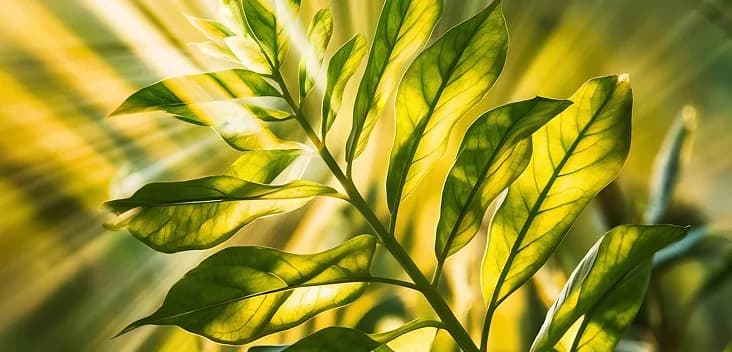
Blue star fern grows best in bright, indirect or filtered light with only gentle direct morning sun.

Light Preference

Bright Indirect Light

Phlebodium aureum Light Requirements

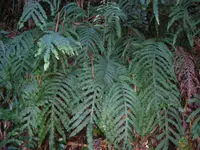
In its native tropical and subtropical American range, Phlebodium aureum often grows as an epiphyte on trees or rocks in humid forests. Its fronds receive broken light through overhead branches, with brief brighter periods near canopy gaps rather than long open sun.

This background explains why cultivated plants handle shade but look strongest when light is bright and softened. Preferred light is bright, indirect or filtered light.

  • Ideal exposure:

    Blue star fern needs about 6–8 hours of bright, indirect or filtered light daily, including up to 1–2 hours of gentle direct morning sun.

  • Direct sun:

    Avoid midday and afternoon sun, which can scorch the blue-green fronds quickly through glass.

  • Lower light:

    It tolerates shade, but growth often slows and new fronds may stay smaller.

  • Best sun angle:

    Morning light is safer than west-facing afternoon light, especially in summer.

Indoors, this fern usually does best near a bright window where the sun does not sit directly on the fronds.

NSuitable
North-facing window:

Use the brightest unobstructed north window, keeping the pot close to the glass during darker months.

EBest
East-facing window:

Place it within 1–3 ft of an east-facing window where morning sun is brief and soft.

SConditional
South-facing window:

Keep it 3–6 ft back from a south-facing window or filter the sun with a sheer curtain.

WConditional
West-facing window:

Use a west-facing window only if rays are filtered or the plant sits several feet outside the sunbeam.

If fronds receive direct sun for more than a short morning period, soften the exposure.

Strong direct sun usually shows first on the most exposed fronds.

Bleached panels:

Fronds facing the window may turn pale, washed blue-green, or straw colored after sudden sun exposure.

Dry scorch marks:

Tan or brown patches can appear where rays hit the frond surface, often with sharper edges than age-related wear.

Flattened color:

Phlebodium aureum may lose its soft blue cast and look dull when light is too intense.

Heat-side damage:

Symptoms often appear on the window-facing side while shaded fronds remain mostly normal.

Move the plant back from the glass or add a sheer curtain. Trim only fronds that are fully damaged after the plant settles.

Weak light tends to affect growth pattern before it causes obvious damage. Changes are easiest to see during spring and summer.

  • Smaller fronds:

    New fronds may emerge shorter or narrower than older healthy growth.

  • Leaning growth:

    Fronds may angle toward the nearest window as the plant tries to capture more light.

  • Sparse rhythm:

    The plant may produce fewer new fronds, with longer pauses between flushes during the growing season.

  • Weaker color:

    The blue-green surface can look darker and less clear in a dim corner.

Move it to a brighter indirect-light position, making the change gradually if the new spot is much brighter. Avoid placing it straight into hot sun.

When ideal light is not available, choose the brightest spot that avoids harsh direct rays. Set the pot just outside any sunbeam if light reaches the fronds.

Rotate the pot a quarter turn every 1–2 weeks so new fronds grow evenly toward the light source.

A dim corner is a poor long-term setup because it usually produces sparse, slow growth.

Get Personalized Care Plan

Scan your plant to receive care tips personalized for your specific plant

FAQ

The best light for Blue star fern is bright, indirect or filtered light for most of the day. A little gentle morning sun is acceptable, but harsh direct sun is not ideal.

Everything About Blue star fern

More Plant Light Guides

Get the Botan App

Discover how to care for your plants with Botan.

Botan app identifying a plant with a phone camera
Best Fertilizer for Vegetable Gardens – What to Use for Each Plant

11 min read · 20 Jul 2026

Best Fertilizer for Vegetable Gardens – What to Use for Each Plant

Here, you’ll find the right fertilizer formula for vegetables in your garden. Learn how to adjust feeding correctly throughout the growing cycle, spot nutrient deficiencies by their symptoms, and keep your plants healthy and prolific.

Plant Recommendations
Best Fertilizer for Vegetable Gardens – What to Use for Each Plant
Can Plants Grow With Artificial Light?

6 min read · 15 Sept 2026

Can Plants Grow With Artificial Light?

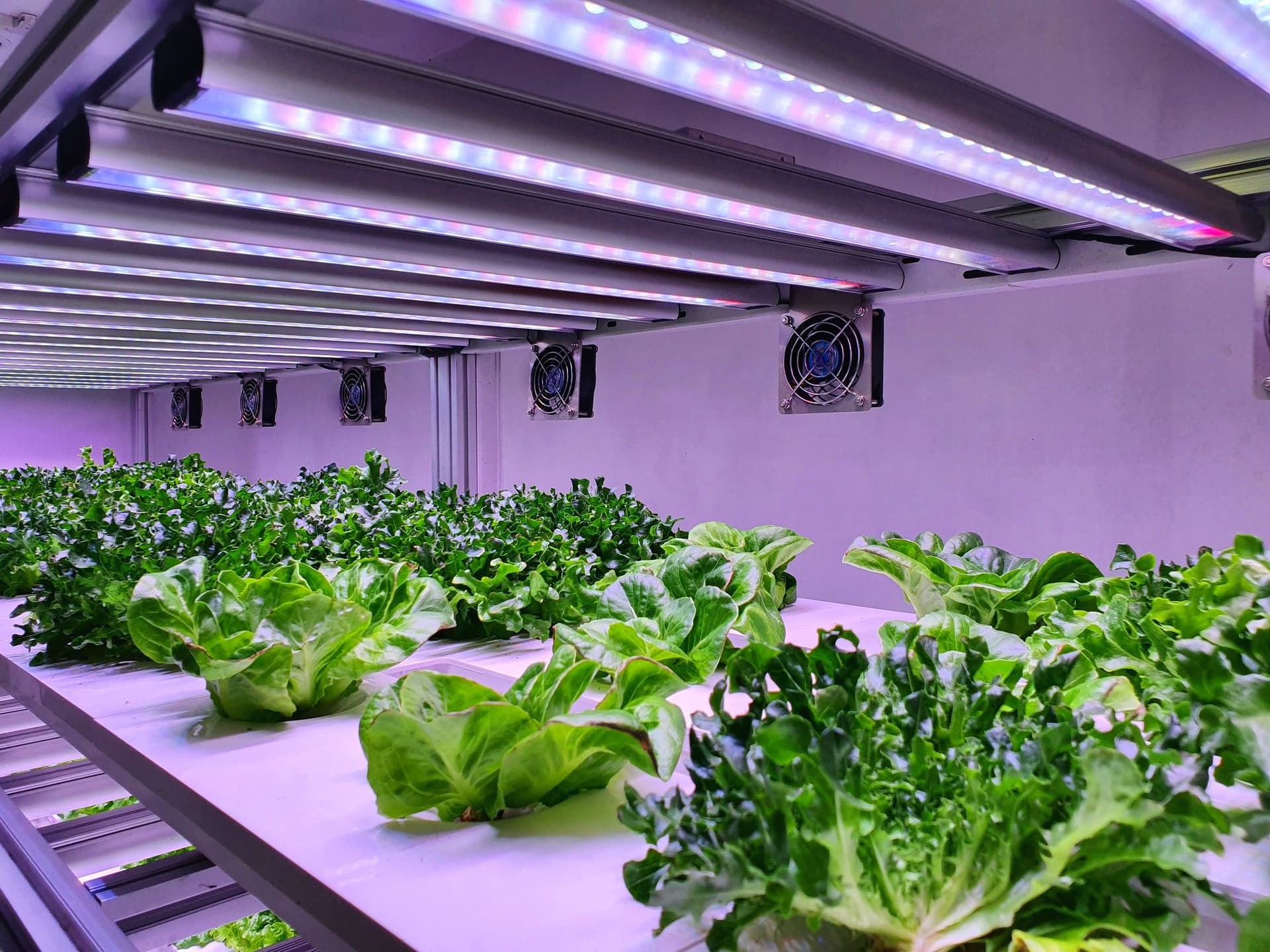
Plants can grow under artificial light when the setup provides a suitable spectrum, enough intensity, and sufficient daily exposure. This guide explains how artificial lighting compares with sunlight, which options work indoors, and how to match a setup to houseplants.

Plant Care
Can Plants Grow With Artificial Light?
How to Winterize Your Garden in 6 Steps

5 min read · 28 Sept 2026

How to Winterize Your Garden in 6 Steps

Learn how to prepare your garden for winter with a practical six-step checklist covering cleanup, tender plant care, watering, mulching, winter protection, and winterizing equipment and containers.

Plant Care
How to Winterize Your Garden in 6 Steps