
Blue star fern (Phlebodium aureum) Watering Guide

This page explains when, how often, and how much to water Blue star fern for steady, healthy growth.

Water Requirements

Keep Soil Moist

Phlebodium aureum Watering

This guidance on watering Blue star fern sets the stage for keeping this fern steady and relaxed. In its native tropical forests, Phlebodium aureum grows where air stays humid and soil rarely dries completely. Indoors, aim for lightly moist soil that never becomes parched or swampy.

Most growers treat it as an indoor plant, while outdoor or patio plants may dry faster and need more frequent attention.

Water when the top 1–2 inches (3–5 cm) of soil feel evenly dry to the touch, as this fern prefers slightly moist but never soggy conditions. Blue star fern in bright, warm rooms typically needs watering about once a week, while lower light or cooler conditions extend the interval.

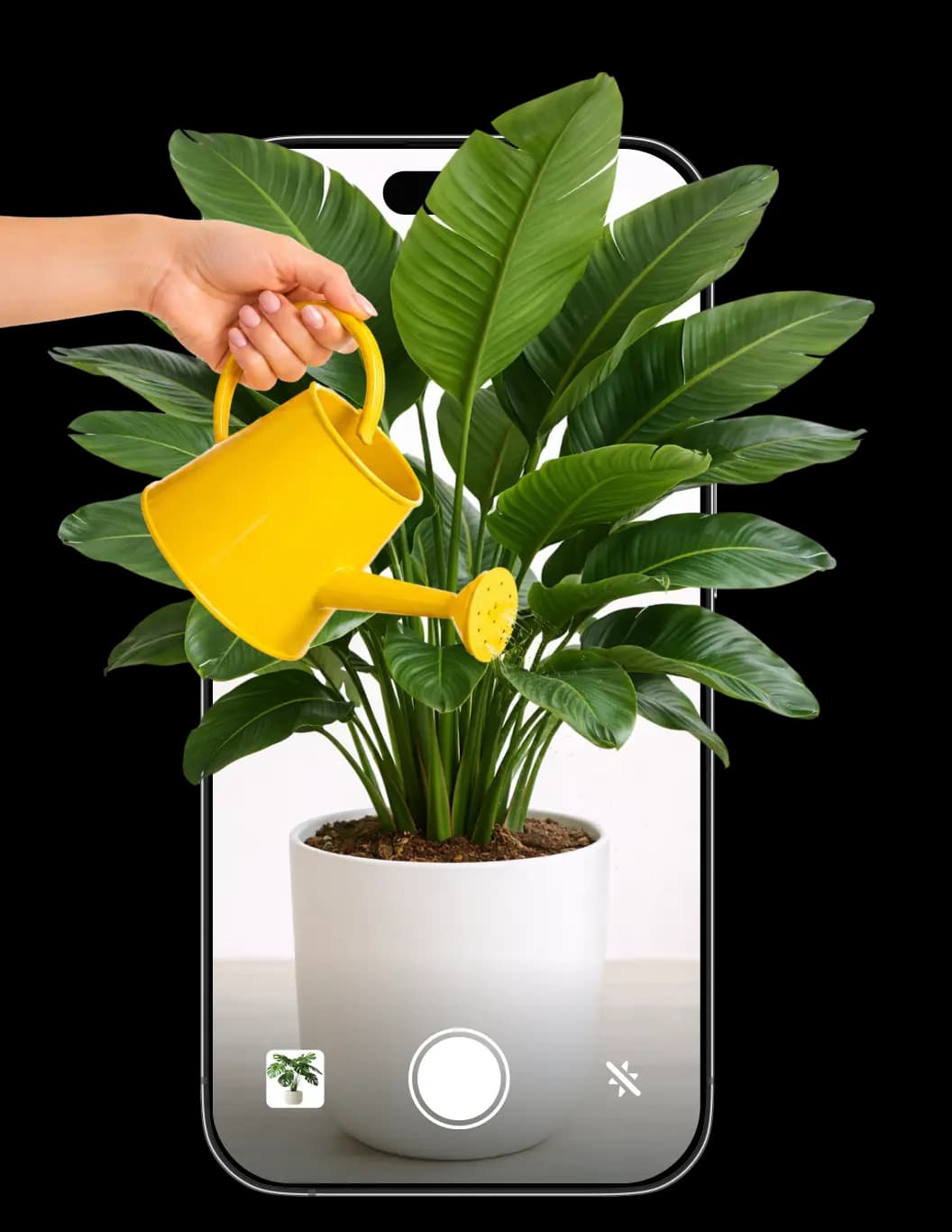
Water Blue star fern when the top 1-2 inches (3-5 cm) feel dry, rehydrating evenly while keeping its crown area drier.

  • Pour room-temperature water slowly over the soil surface, circling the pot to distribute moisture around the entire root zone.
  • Continue adding water until it begins to drain from the bottom holes, ensuring the central root mass is thoroughly moistened.
  • Keep water off the crown and fronds by directing the stream close to the pot edge, not onto the plant.
  • Let the pot drain fully, then empty any saucer or cachepot so the container does not sit in standing water.

Incorrect moisture balance can stress Phlebodium aureum, leading to gradual decline and weakened growth.

Yellowing Fronds:

Older fronds turn uniformly yellow from prolonged saturation, indicating roots suffocating in chronically wet soil.

Crisp Brown Edges:

Frond tips and margins dry and curl from underwatering or low humidity combined with warm airflow.

Soft Blackened Rhizomes:

Fleshy rhizomes feel mushy and dark when persistent overwatering and poor drainage trigger rot.

Stunted Pale Growth:

New fronds emerge small and light green after repeated moisture swings between very dry and very wet.

Wilting In Damp Soil:

Fronds droop despite moist mix, signaling damaged roots from waterlogged conditions and depleted oxygen.

Keep the mix lightly moist, avoiding both full drying and long periods of saturation.

Unsuitable watering habits can stress Blue star fern, weakening its rhizomes and fronds and making the plant vulnerable to pests and decline.

  • Watering by schedule: Following a fixed calendar instead of checking soil moisture keeps it too wet or too dry; test the top layer before watering again.
  • Heavy, compact soil: Using dense potting mix keeps rhizomes soggy; choose a loose, peat-free or peat‑reduced mix with added bark for air pockets.
  • Letting runoff sit: Leaving water in the saucer keeps the root zone saturated; empty the tray a few minutes after each watering.

Prioritize lightly moist, airy conditions by adjusting water to current soil moisture, potting mix, and environment rather than fixed routines.

  • Spring: New fronds emerge, so let the top 1 inch of mix just begin to dry, then water thoroughly and drain well.
  • Summer: In higher heat and bright shade, moisture is used faster; check soil more often and avoid letting the root ball dry out fully.
  • Fall: Growth slows, so extend the time between waterings, keeping the mix lightly moist rather than consistently damp.
  • Winter: With cooler temperatures and lower light, reduce watering frequency, allowing a bit more surface dryness while preventing complete soil dryness.

Track Watering. Catch Problems Early

Use Botan for a clear watering guide and practical care steps for Phlebodium aureum, plus gentle photo-based issue checks to spot early problems before they spread.

Botan plant care app — identify plants on mobile

Interesting Watering Facts

Epiphytic rain capture

In the wild, this fern often grows as an epiphyte on tree trunks, relying on rainfall, cloud moisture, and canopy runoff rather than soil water. Its thick rhizomes and fibrous roots anchor in bark and debris, catching and holding intermittent moisture.


Tolerates brief dryness

Compared with many ferns, it tolerates short dry spells thanks to its thick, creeping rhizomes that store water and nutrients. Fronds may lose some turgor in extended drought but can recover once regular moisture returns.

Thrives in humid forests

Natural populations occur in warm, humid forests of tropical and subtropical regions, where air moisture stays high even when substrate dries between rains. This preference for moist air but not constantly wet roots explains its sensitivity to overwatering in pots.

FAQ

Check soil every few days and water when the top 1–2 inches (3–5 cm) feel dry. In average indoor conditions, this often means every 5–10 days, but adjust based on light, temperature, and pot size.

Everything About Blue star fern

More Plant Watering Guides

Is Your Watering Routine Hurting Your Blue star fern?

Botan reviews your watering pattern and highlights when adjustments may be helpful.

Watering a plant with a copper watering can
How To Revive a Dying Plant: 6 Steps To Bring A Plant Back To Life

6 min read · 1 Sept 2026

How To Revive a Dying Plant: 6 Steps To Bring A Plant Back To Life

Drooping leaves and brown tips don't always mean the end, and a weakened plant can often recover with a little help. These six simple steps will help you revive a dying plant and restore its health.

Plant Care
How To Revive a Dying Plant: 6 Steps To Bring A Plant Back To Life
Planting Grass Seed in Summer – What Works and What Fails

7 min read · 6 Aug 2026

Planting Grass Seed in Summer – What Works and What Fails

Summer seeding succeeds when the grass type suits the season, and the soil stays moist. Find out how to prepare the seedbed and choose a safe window for planting.

Plant Care
Planting Grass Seed in Summer – What Works and What Fails
Rice Water for Plants – Which Plants Love It and How to Make It

8 min read · 14 Jul 2026

Rice Water for Plants – Which Plants Love It and How to Make It

Rice water can be an ideal DIY solution for orchids, roses, or fruiting plants. It supports growth, leaf count, and height. We’ll share how to make and apply it correctly for your plant.

Plant Care
Rice Water for Plants – Which Plants Love It and How to Make It