

Friendship Plant (Pilea involucrata) Watering Guide

This page explains when, how often, and how much to water Pilea involucrata in simple, practical terms.

Water Requirements

Keep Soil Moist

Pilea involucrata Watering

Native to humid Central American forests, this plant grows where soil stays lightly moist but not saturated. Pilea involucrata prefers gentle, consistent moisture that reflects this environment, rather than extended dryness.

For indoor care, watering Friendship Plant means keeping the potting mix slightly damp, allowing the surface to breathe between waterings. This page outlines watering Friendship Plant fundamentals so owners can match simple routines to changing indoor conditions.

Let the top 1–2 inches (3–5 cm) of soil dry before watering again; this species dislikes staying soggy but should not dry out completely. This usually means watering about every 5–10 days indoors, with slightly more frequent watering in bright, warm conditions and less in cooler, lower light.

Water Friendship Plant when the top 1-2 inches (3-5 cm) of soil feel dry, using slow, even moisture around the roots.

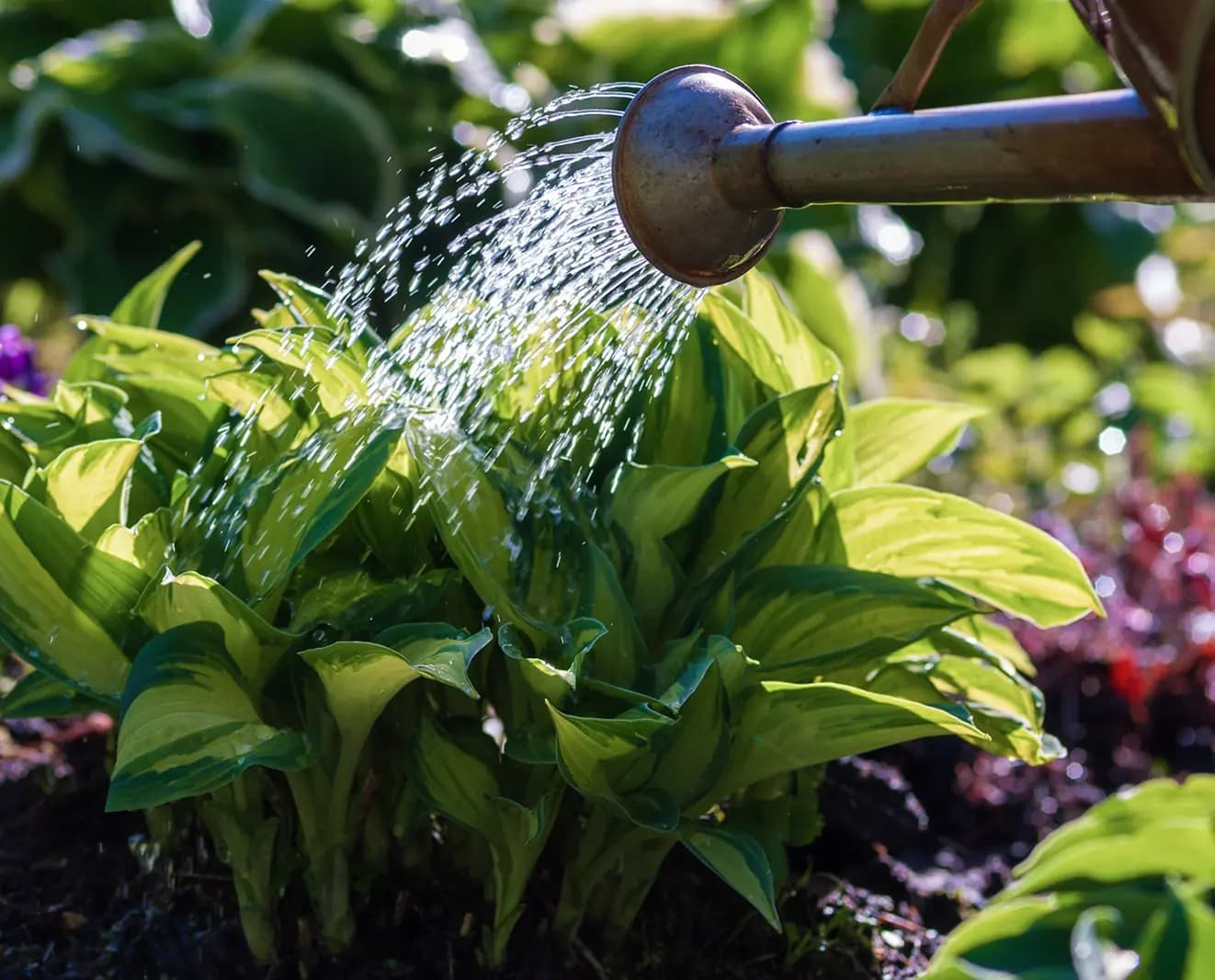
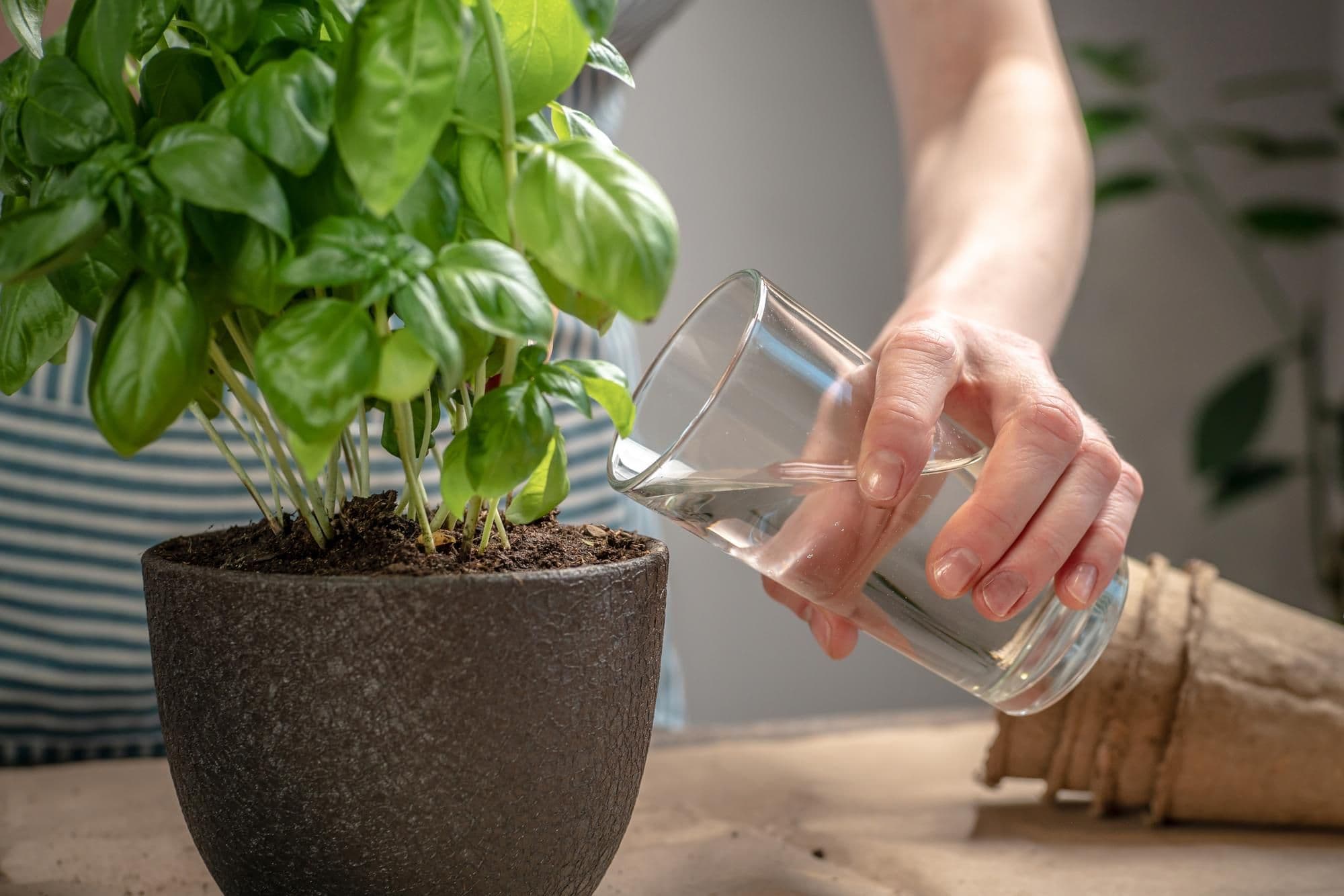
  • Pour room-temperature water over the soil surface, circling the pot so the entire root zone is evenly moistened.
  • Stop adding water when you see a steady trickle from the drainage holes, indicating the soil is fully saturated.
  • Let the pot drain thoroughly in a sink or tray, then discard any collected water after several minutes.
  • Keep water directed at the soil only, avoiding splashing the textured leaves or stems to reduce moisture lingering on foliage.

Incorrect moisture balance can stress Pilea involucrata and gradually weaken overall growth.

Wilting, Soft Stems:

Limp foliage with mushy stems usually indicates prolonged saturation and developing root damage below soil level.

Crisp, Curling Leaves:

Dry, folding foliage with brittle edges often results from underwatering or extended exposure to dry air.

Yellowing Lower Leaves:

Older leaves turning pale and falling off typically reflect chronically soggy soil and declining roots.

Moldy Soil Surface:

White or gray fuzz on potting mix suggests poor airflow, excess moisture, and limited drying time.

Brown Leaf Tips:

Dry, browned margins commonly arise from inconsistent watering habits or mineral buildup in the potting mix.

Keep the root zone lightly moist, not wet, allowing the top layer to partially dry between waterings.

Unsuitable watering routines can stress Pilea involucrata, weakening its dense foliage and making this compact Friendship Plant more disease-prone over time.

  • Watering by schedule: Following a rigid calendar often keeps soil either too wet or too dry; instead, check the top layer and water only when it feels dry.
  • Heavy, compacted soil: Using dense potting mixes traps moisture around fine roots; choose a light mix with perlite for faster drainage and better aeration.
  • No drainage or saucer puddles: Growing in pots without drainage holes or leaving runoff in the saucer keeps roots saturated; discard excess water after each watering.

Safer watering for this species means monitoring soil moisture, using a well-draining setup, and letting excess water escape freely each time.

  • Spring: Increase watering slightly as new growth resumes, letting the top 0.5–1 inch of mix dry but avoiding full dryness.
  • Summer: In warm, bright conditions, check soil more often and water when the surface dries, preventing both soggy pockets and extended dryness.
  • Fall: Gradually space out waterings as growth slows, allowing a bit more surface dryness while keeping the root zone lightly moist.
  • Winter: With cooler temperatures and lower light, water less often, ensuring the top layer dries and avoiding chilled, waterlogged soil.

Track Watering. Catch Problems Early

Use Botan to get a clear watering guide and care steps for your Friendship Plant. The app can also spot early issues from photos, so adjustments stay timely and gentle.

Botan plant care app — identify plants on mobile

FAQ

Water when the top 1 inch (2–3 cm) of soil feels dry, rather than on a fixed schedule. In typical indoor conditions, that often means every 5–7 days. Adjust how often to water with seasonal changes.

More Plant Watering Guides

Is Your Watering Routine Hurting Your Friendship Plant?

Botan reviews your watering pattern so adjustments become simple and confident.

Watering a plant with a copper watering can
Is Sugar Water Good for Plants?

4 min read · 14 Sept 2026

Is Sugar Water Good for Plants?

Sugar water may sound like an easy boost, but most rooted plants do not need extra sucrose. This guide explains how green tissues produce carbohydrates, when a sweetened solution can be useful, and why too much can cause problems.

Plant Care
Is Sugar Water Good for Plants?
Best Fertilizer for Grass in Summer: How to Choose the Right One

6 min read · 18 Aug 2026

Best Fertilizer for Grass in Summer: How to Choose the Right One

The right fertilizer in summer can make a lawn thrive. The wrong one can damage it. Here, you’ll learn the best NPK ratios by grass type, when and how to apply your formula, and how to recognize the signs of over- or under-fertilizing.

Plant Care
Best Fertilizer for Grass in Summer: How to Choose the Right One
Rice Water for Plants – Which Plants Love It and How to Make It

8 min read · 14 Jul 2026

Rice Water for Plants – Which Plants Love It and How to Make It

Rice water can be an ideal DIY solution for orchids, roses, or fruiting plants. It supports growth, leaf count, and height. We’ll share how to make and apply it correctly for your plant.

Plant Care
Rice Water for Plants – Which Plants Love It and How to Make It