Best Soil for Friendship Plant (Pilea involucrata)

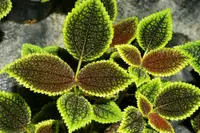
Pilea involucrata grows best in a loose, humus-rich mix that holds some moisture while still giving roots enough air.

Soil Texture

Loamy, Peaty, Organic-rich

Soil pH

Acidic (5.5–6.5), Slightly acidic (6.5–7.0)

Soil Drainage

Moist but well-drained

Pilea involucrata Soil Guide

Native to tropical Central and South America, Pilea involucrata grows in warm, humid forest conditions where the ground stays lightly moist and rich in decayed plant matter. That background explains why Friendship Plant soil should feel soft, airy, and organic rather than dense or sandy.

Its roots are relatively fine and shallow, so the best soil for Friendship Plant needs to hold steady moisture without becoming stagnant. A loamy, peaty texture with good drainage and enough air spaces supports healthy root function while still retaining the moisture this species prefers.


A simple homemade mix helps balance moisture retention and airflow for Pilea involucrata without becoming dense over time.

100% total mix = 20 scoops
10%
fine orchid bark or compost2 scoops
20%
perlite or pumice4 scoops
30%
high-quality potting soil6 scoops
40%
peat moss or coco coir8 scoops

The finished mix should feel light, springy, and slightly fluffy, with water moving through evenly but not rushing straight out.

Pilea involucrata prefers slightly acidic to mildly acidic soil, with a good target range around 5.5–6.8 pH. In that range, key nutrients stay more available to the roots.

It can handle a small amount of variation, but soil that drifts too far from this range may limit nutrient uptake even when the mix itself looks suitable.

This species can react quickly when the root zone stays stale or compacted. Check the soil first when growth seems weaker than usual.

Sour or swampy smell:

A stale odor often means the root zone is staying oxygen-poor, so loosen the top layer gently and review how freely excess moisture can escape.

Surface staying wet too long:

If the top of the mix remains damp for many days, the structure may be too dense, so improve airflow around the container and consider a lighter mix next time.

Hard, shrunken soil:

When the soil pulls from the pot edge, it has likely dried unevenly, so re-moisten it gradually until the whole root ball absorbs moisture again.

Fungus gnats around the pot:

Small gnats often increase when decaying material stays overly damp, so let the upper layer dry a bit more between checks and remove fallen debris promptly.

Scan. Match. Grow.

Botan helps match this plant to a more suitable soil profile, so it is easier to choose a mix that supports steadier root health.

FAQ

Yes. Drainage holes help excess water leave the container so the root zone keeps some air space. That matters more than pot style when choosing the best soil for Friendship Plant.

Everything About Friendship Plant

More Plant Soil Guides

Soil Problem? Scan It.

Scan the plant with Botan to check whether soil conditions could be part of the issue. A photo-based assessment can help narrow down likely causes.

Botan app helping with soil and plant care
Planting Grass Seed in Summer – What Works and What Fails

7 min read · 6 Aug 2026

Planting Grass Seed in Summer – What Works and What Fails

Summer seeding succeeds when the grass type suits the season, and the soil stays moist. Find out how to prepare the seedbed and choose a safe window for planting.

Plant Care
Planting Grass Seed in Summer – What Works and What Fails
How Long Can Flowers Go Without Water? Everything You Need to Know

6 min read · 10 Jul 2026

How Long Can Flowers Go Without Water? Everything You Need to Know

Flowers can survive without water anywhere from 1-2 hours to several months, depending on the plant type, species, and growing conditions. Some strong-looking flowers are drought-sensitive, while delicate-looking plants may tolerate long dry periods surprisingly well.

Plant Care
How Long Can Flowers Go Without Water? Everything You Need to Know
Top 15 Fast-Growing Trees For Your Garden

13 min read · 28 Jul 2026

Top 15 Fast-Growing Trees For Your Garden

Learn which of the 15 fastest-growing trees will suit your area. We’ll share detailed information on each: growth rate, mature spread, key tree demands, and main vulnerabilities. Read on and make the best choice possible.

Plant Recommendations
Top 15 Fast-Growing Trees For Your Garden