


Best Soil for star jasmine (Jasminum multiflorum)

Jasminum multiflorum grows best in a loose, moisture-retentive yet well-drained mix that supports steady root growth and good oxygen flow.

Soil Texture

Sandy, Loamy, Organic-rich

Soil pH

Acidic (5.5–6.5), Slightly acidic (6.5–7.0)

Soil Drainage

Moist but well-drained

Jasminum multiflorum Soil Guide

Native to India, Jasminum multiflorum grows in warm conditions where soil stays lightly moist but drains freely. That background explains its preference for a sandy or loamy substrate with enough organic content to hold some moisture without becoming dense or soggy.

Its roots perform best in soil with good air space, because steady oxygen around the root zone supports healthy uptake and steady growth. The best soil for star jasmine feels open and crumbly rather than compacted, with a slightly acidic to mildly acidic reaction that suits nutrient availability.

A simple homemade blend gives Jasminum multiflorum the balance of airflow and moisture retention it needs in a container.

100% total mix = 20 scoops
15%
compost or coco coir3 scoops
20%
perlite or pumice4 scoops
25%
pine bark fines or orchid bark5 scoops
40%
high-quality potting soil8 scoops

The finished mix should feel light, slightly springy, and crumbly, with moisture spreading through evenly before draining without staying heavy.

A slightly acidic to mildly acidic range of about 5.5–7.0 suits star jasmine well. Within that range, key nutrients stay more available to the roots, which supports balanced growth and steady leaf production.

If the pH drifts too far from this range, some nutrients can become harder for the plant to absorb even when they are present in the soil.

Soil issues often develop gradually, so early checks are useful. For Jasminum multiflorum, root stress is more likely when the root zone stays cramped, stale, or unevenly moist.

Compacted mix:

If the surface hardens and water sits briefly before soaking in, gently loosen the top layer and refresh part of the growing medium.

Staying wet too long:

If the container feels heavy for days and the soil remains cool and damp, improve airflow around the root zone and review drainage.

Dry pockets:

If water runs down the sides but the center stays dry, rehydrate the mix slowly and evenly until moisture spreads through it again.

Salt buildup:

A pale crust on the surface can point to accumulated minerals, so scrape off the top layer and flush the soil thoroughly once.

Find the Right Soil

Botan helps match this plant to a more suitable growing medium based on its needs and the conditions in your home or garden.

FAQ

Yes. Drainage holes let excess water leave the container and help keep air in the root zone. Without them, even a good mix can stay too wet for too long.

More Plant Soil Guides

Is Your Soil the Problem?

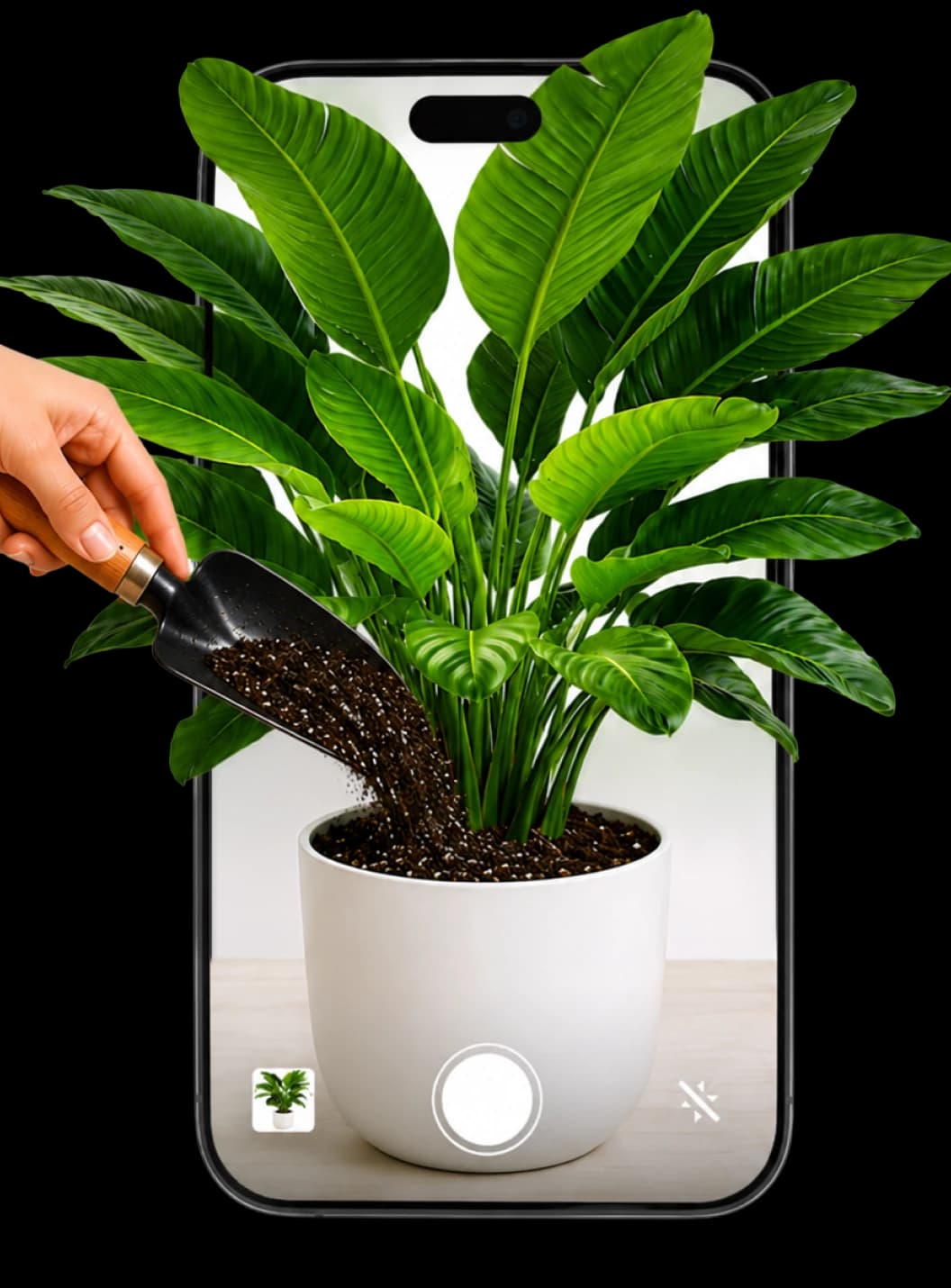
Soil may be one factor behind a plant problem. Botan’s photo-based assessment can help you check whether the growing medium is worth a closer look.

Botan app helping with soil and plant care
Plants That Repel Bugs – 20 Effective Options

12 min read · 16 Jul 2026

Plants That Repel Bugs – 20 Effective Options

Mosquitoes on the patio? Gnats in the kitchen? Some plants keep them away with the scent of their own leaves. Here are 20 that deal with mosquitoes, flies, aphids, and more, plus where to put them so they help.

Plant Recommendations
Plants That Repel Bugs – 20 Effective Options
What Do Plants Need to Grow – 5 Things Every Greenery Can't Live Without

8 min read · 31 Jul 2026

What Do Plants Need to Grow – 5 Things Every Greenery Can't Live Without

To keep plants healthy and thriving, provide the right balance of light, humidity, nutrients, airflow, and quality soil. This guide covers the essentials of year-round plant care.

Beginner Guides
What Do Plants Need to Grow – 5 Things Every Greenery Can't Live Without
Best Fertilizer for Vegetable Gardens – What to Use for Each Plant

11 min read · 20 Jul 2026

Best Fertilizer for Vegetable Gardens – What to Use for Each Plant

Here, you’ll find the right fertilizer formula for vegetables in your garden. Learn how to adjust feeding correctly throughout the growing cycle, spot nutrient deficiencies by their symptoms, and keep your plants healthy and prolific.

Plant Recommendations
Best Fertilizer for Vegetable Gardens – What to Use for Each Plant