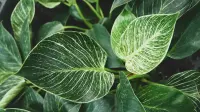
Best Soil for Philodendron 'Birkin'

A loose, organic-rich mix with steady drainage helps Philodendron 'Birkin' maintain healthy roots and balanced moisture around them.

Soil Texture

Loamy, Organic-rich

Soil pH

Acidic (5.5–6.5), Slightly acidic (6.5–7.0)

Soil Drainage

Moist but well-drained

Philodendron 'Birkin' Soil Guide

This cultivar comes from tropical Philodendron ancestry native to Central and South America, where roots grow in warm, humid forest conditions with leaf litter and steady airflow around them. That background explains why Philodendron 'Birkin' prefers an organic-rich, loose substrate rather than dense garden soil.

The best soil for Philodendron 'Birkin' holds some moisture but drains freely, so roots stay lightly moist without becoming airless. A loamy, peaty texture suits its fine roots because it balances water retention, aeration, and gentle acidity, which supports steady root function in indoor conditions.


A simple homemade blend gives more control over texture and drainage than a straight bagged mix for Philodendron 'Birkin'.

100% total mix = 20 scoops
15%
fine orchid bark3 scoops
20%
perlite or pumice4 scoops
25%
coco coir or peat moss5 scoops
40%
high-quality potting soil8 scoops

The finished mix should feel light, springy, and slightly chunky, with moisture spreading through evenly before excess drains away.

Philodendron 'Birkin' grows best in slightly acidic to near-neutral soil, with an ideal range of about 5.5–6.8 pH. That range supports steady nutrient availability without making key elements harder for the roots to absorb.

A mix that stays within this range usually helps the plant access nitrogen, magnesium, and other nutrients more efficiently. It can handle mild variation, but extremes may gradually reduce nutrient uptake.

This species can be sensitive to stale, compact root conditions. Soil issues are worth checking when growth slows or the root zone seems slow to dry.

Compacted mix:

Compacted mix: soil feels tight or crusted and air movement around roots drops, so gently loosen the top layer and consider replacing dense material at the next soil change.

Staying wet too long:

Staying wet too long: the container feels heavy for days and the root zone remains soggy, so check drainage holes and switch to a faster-draining medium if needed.

Hydrophobic soil:

Hydrophobic soil: very dry organic matter may repel water at first, so re-wet the mix gradually until it absorbs moisture evenly again.

Salt buildup:

Salt buildup: a pale crust on the surface can point to mineral residue, so scrape off the top layer and flush the soil thoroughly with clean water.

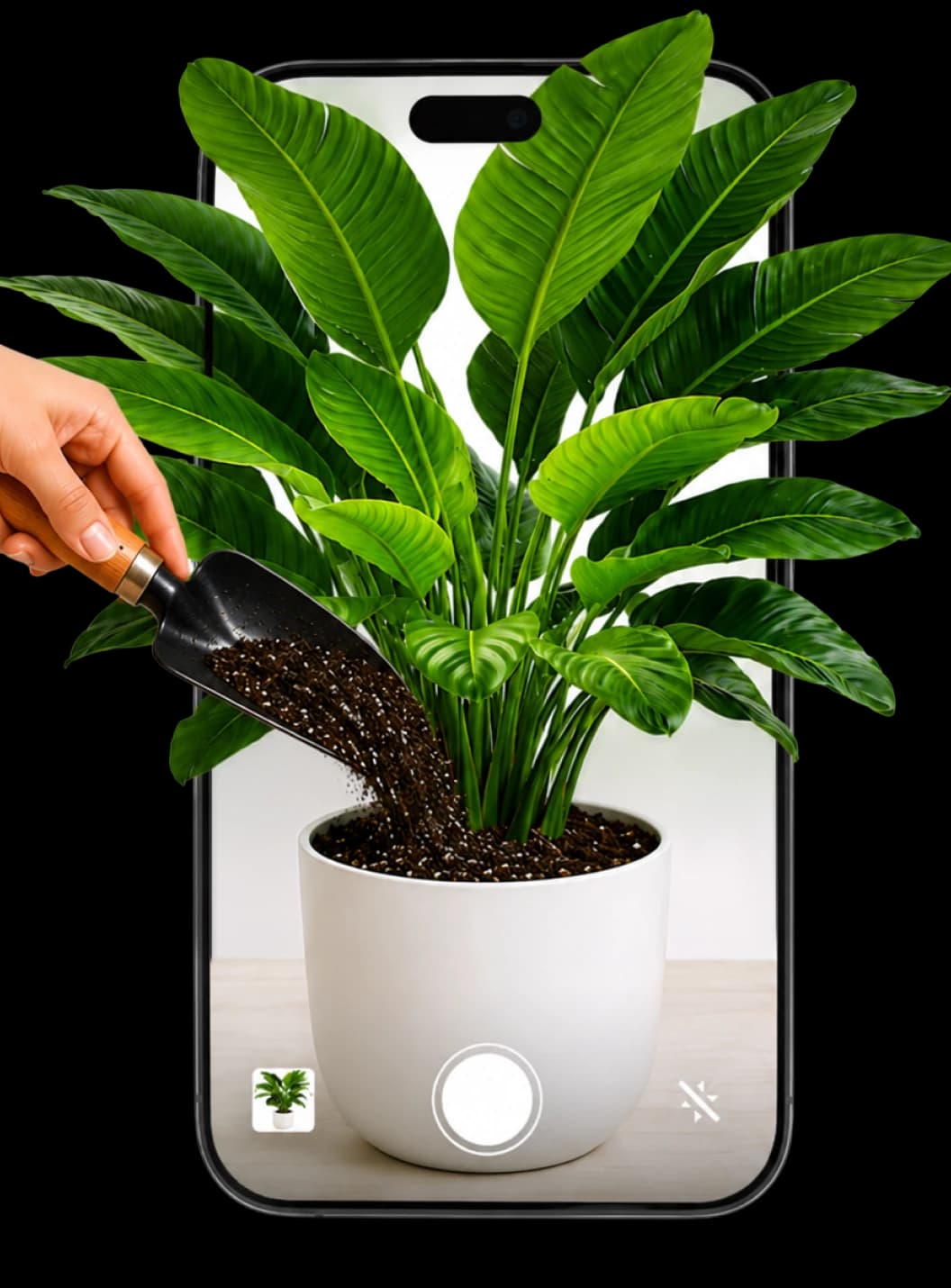
Scan for Soil Tips

Botan can help identify the plant and guide a soil choice that better matches its root needs and growing setup.

FAQ

Yes. Drainage holes help excess water leave the pot, which keeps the root zone from staying saturated too long. That matters more than the exact container style for long-term soil balance.

Everything About Philodendron

More Plant Soil Guides

Scan for Soil Problems

Use Botan’s photo-based assessment to check whether a visible issue may be linked to the root zone or current potting conditions.

Botan app helping with soil and plant care
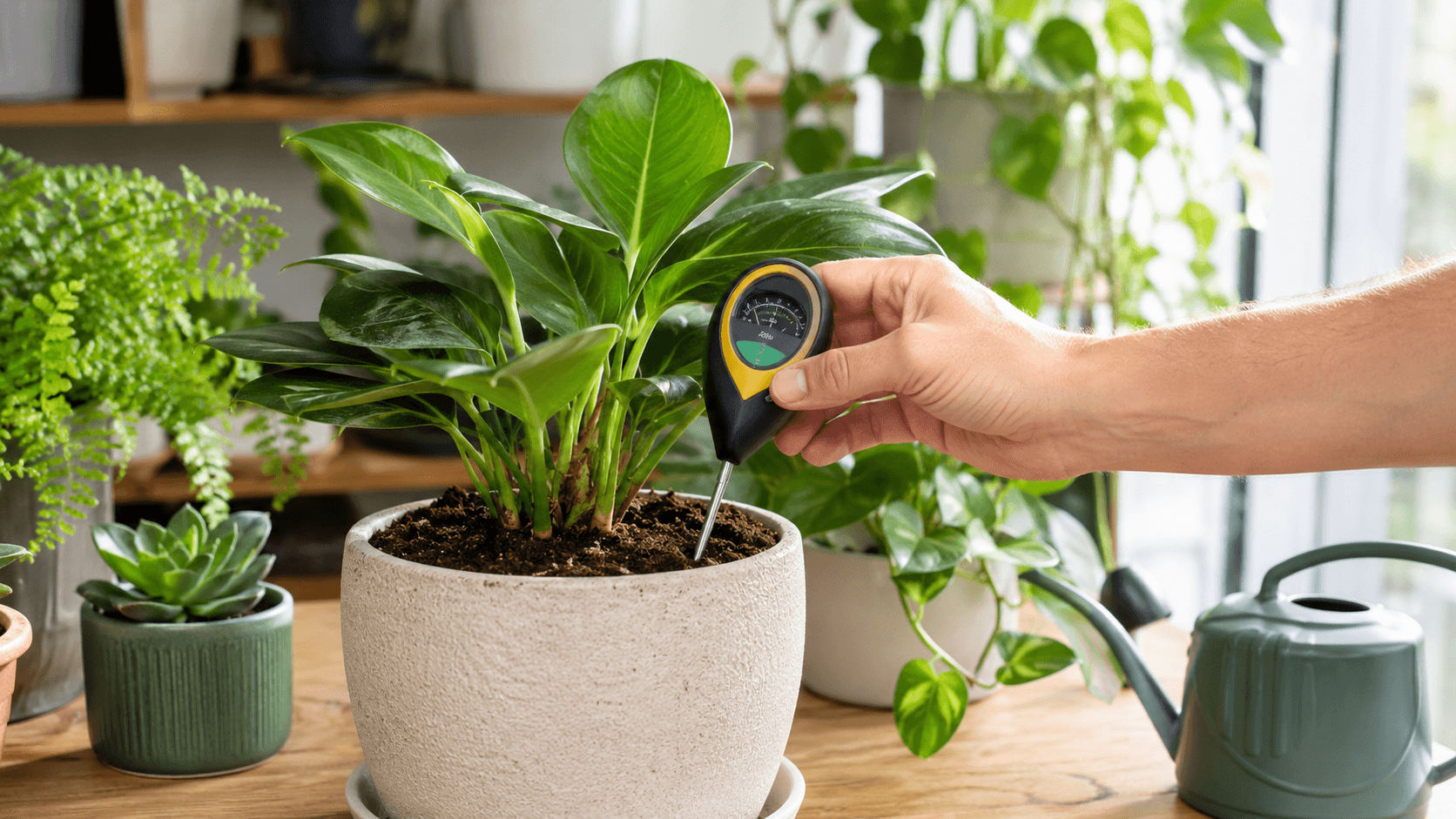
How to Use a Moisture Meter for Plants

5 min read · 4 Sept 2026

How to Use a Moisture Meter for Plants

Watering by feel kills plenty of houseplants. A moisture meter checks the soil for you, and takes the guesswork out of it. This guide will show you how to use it correctly, from the first touch to the final reading.

Beginner Guides
How to Use a Moisture Meter for Plants
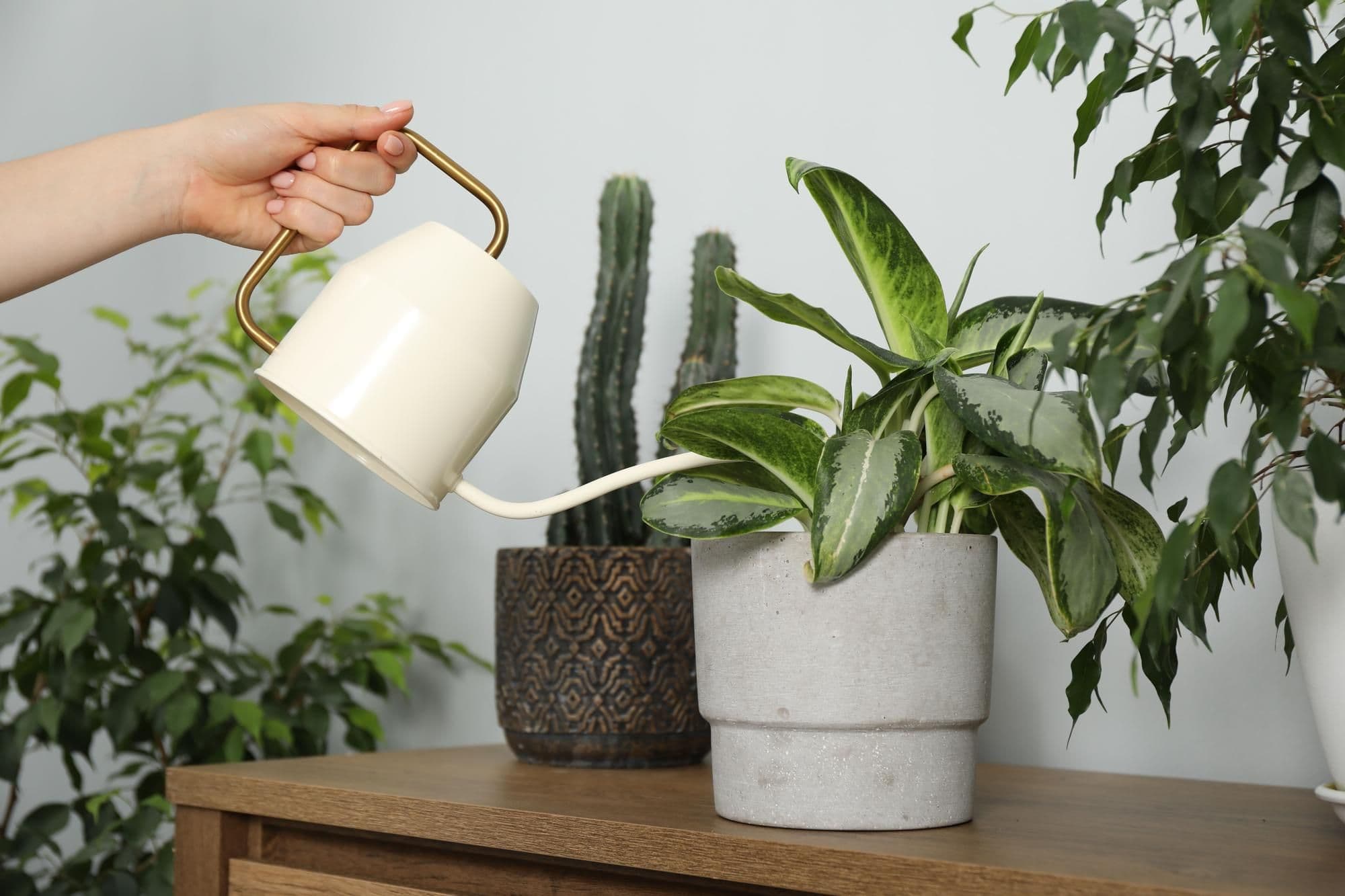
How to Water Houseplants: Watering Guide

7 min read · 24 Aug 2026

How to Water Houseplants: Watering Guide

Learn how often to water indoor plants, key factors for proper watering, and how to adjust the care routine by plant type, season, pot size, light, and indoor conditions.

Plant Care
How to Water Houseplants: Watering Guide
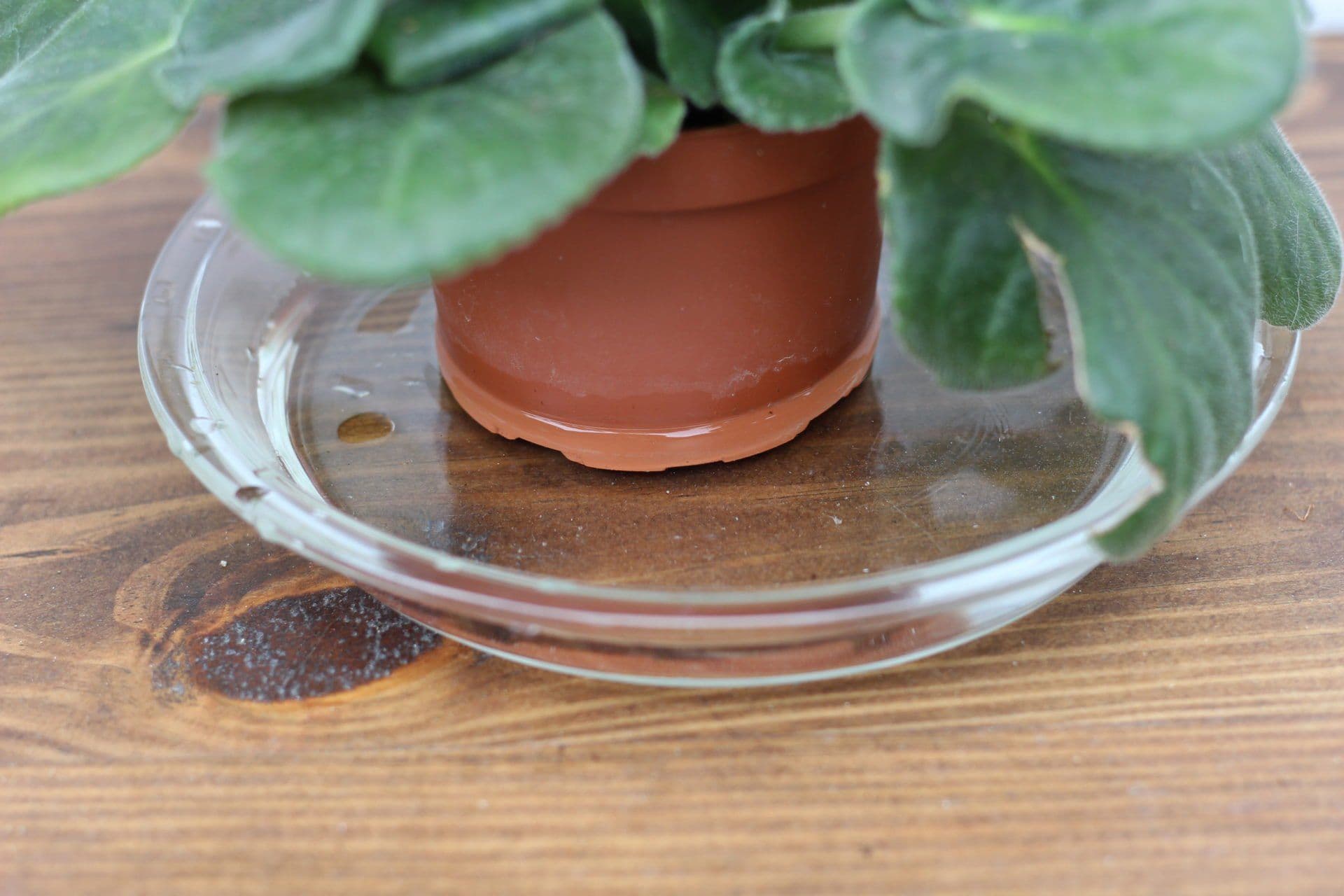
How to Bottom Water Plants: Complete Guide

6 min read · 13 Jul 2026

How to Bottom Water Plants: Complete Guide

Bottom watering helps soil absorb moisture evenly and keeps foliage dry, reducing the risk of missed dry spots or root problems. Place the pot in a tray of water for a short time, then let it drain well.

Plant Care
How to Bottom Water Plants: Complete Guide