


Best Soil for Poinsettia (Euphorbia pulcherrima)

For healthy roots, Euphorbia pulcherrima needs a loose, organic-rich mix that drains well while holding moderate, even moisture.

Soil Texture

Loamy, Sandy, Organic-rich

Soil pH

Acidic (5.5–6.5), Slightly acidic (6.5–7.0)

Soil Drainage

Moist but well-drained

Euphorbia pulcherrima Soil Guide

Native to Mexico and Central America, Euphorbia pulcherrima grows in warm regions where soils are loose, airy, and enriched by organic matter. Those conditions help explain why Poinsettia soil should hold some moisture but still drain freely after watering.

Its root system prefers oxygen around the roots, not dense, compact soil. The best soil for Poinsettia has a loamy to slightly sandy texture with enough organic content to stay lightly moist without becoming heavy. A slightly acidic to near-neutral reaction supports steady root function and nutrient uptake.

A homemade mix can give Euphorbia pulcherrima a better balance of airflow and moisture control than a heavy standard potting blend.

100% total mix = 20 scoops
15%
coco coir or compost3 scoops
20%
perlite or pumice4 scoops
25%
pine bark fines or orchid bark5 scoops
40%
high-quality potting soil8 scoops

The finished blend should feel light, crumbly, and slightly springy, with moisture spreading evenly but excess water moving through without lingering.

A good target is 5.5–6.5 pH, which places this species in the acidic to slightly acidic range. Within that window, key nutrients stay more available to the roots and are easier for the plant to use.

Poinsettia can tolerate a mildly broader range, but soil that drifts far outside this level may reduce nutrient uptake over time even when the mix otherwise looks suitable.

Root stress in this species often starts below the surface. Soil conditions are worth checking when growth slows or the mix seems to stay unchanged for too long.

Compacted mix:

Dense soil can limit air around roots and stay wet too long; gently loosen only the surface and plan to replace the mix with a more open one.

Poor drainage:

If water sits in the container or the soil stays heavy for days, check the drain holes first and stop using any outer pot that traps runoff.

Hydrophobic soil:

Very dry organic mix can repel water instead of absorbing it; rewet it gradually so moisture spreads through the root zone more evenly.

Salt buildup:

White crust on the soil surface can point to mineral accumulation; scrape off the top layer and flush the mix thoroughly once drainage is clear.

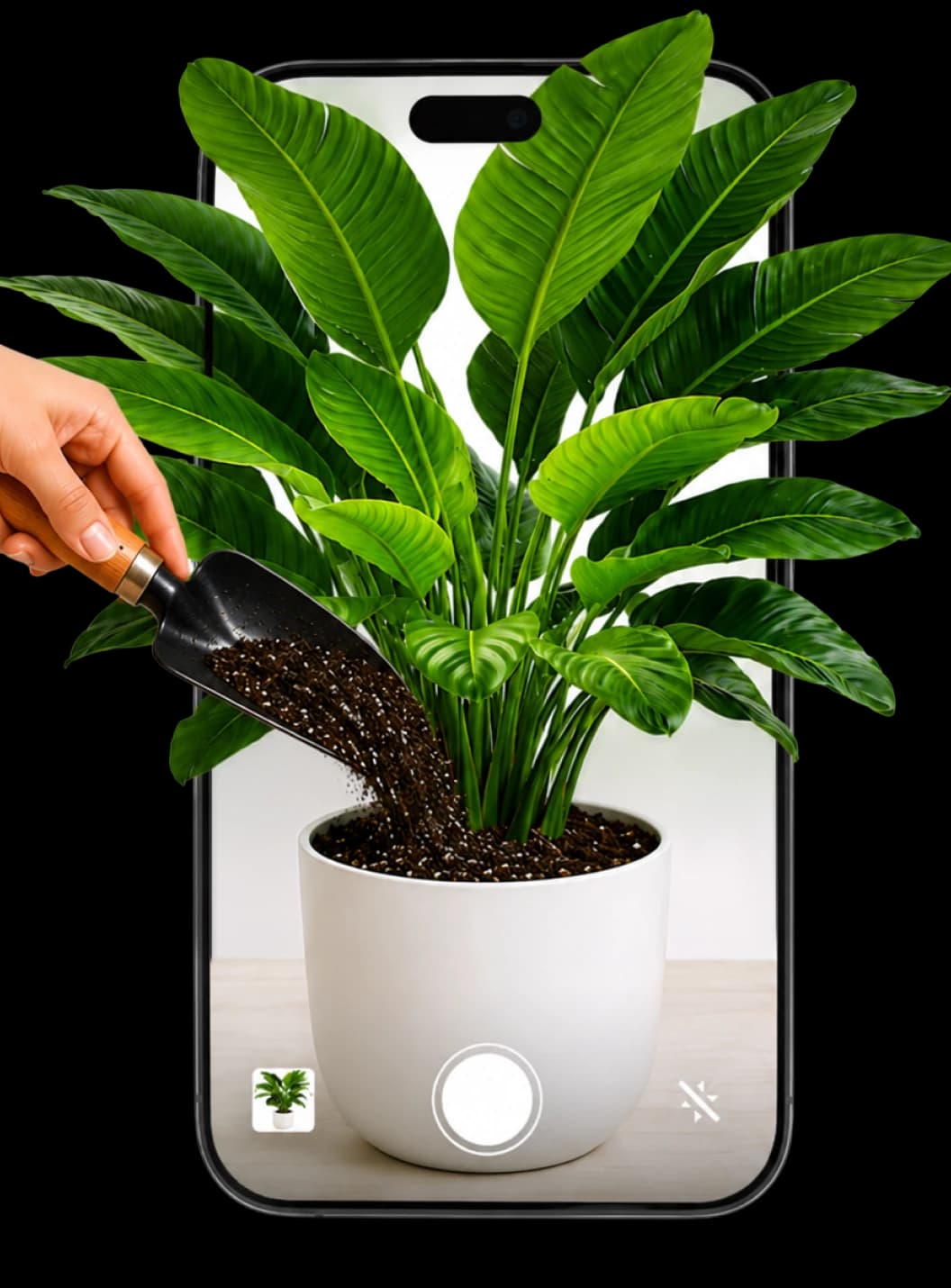
Scan for Better Soil

Botan helps match this plant to a more suitable growing medium by checking care patterns and soil fit from a quick scan.

FAQ

Yes. Drainage holes help excess water leave the container, which keeps the root zone from staying saturated and reduces the risk of compact, stale conditions in Poinsettia soil.

Everything About Poinsettia

More Plant Soil Guides

Check Your Soil Choice

If growth or leaf condition seems off, Botan can help assess whether the current mix may be one factor worth checking from a photo.

Botan app helping with soil and plant care
Plant Pot Sizes: How to Choose the Right Plant Container

7 min read · 20 Aug 2026

Plant Pot Sizes: How to Choose the Right Plant Container

Plant pot sizes can be confusing because the number on the label only tells you part of the required information. A container may look spacious but actually be too shallow. So, how to choose pot size for plant species?

Beginner Guides
Plant Pot Sizes: How to Choose the Right Plant Container
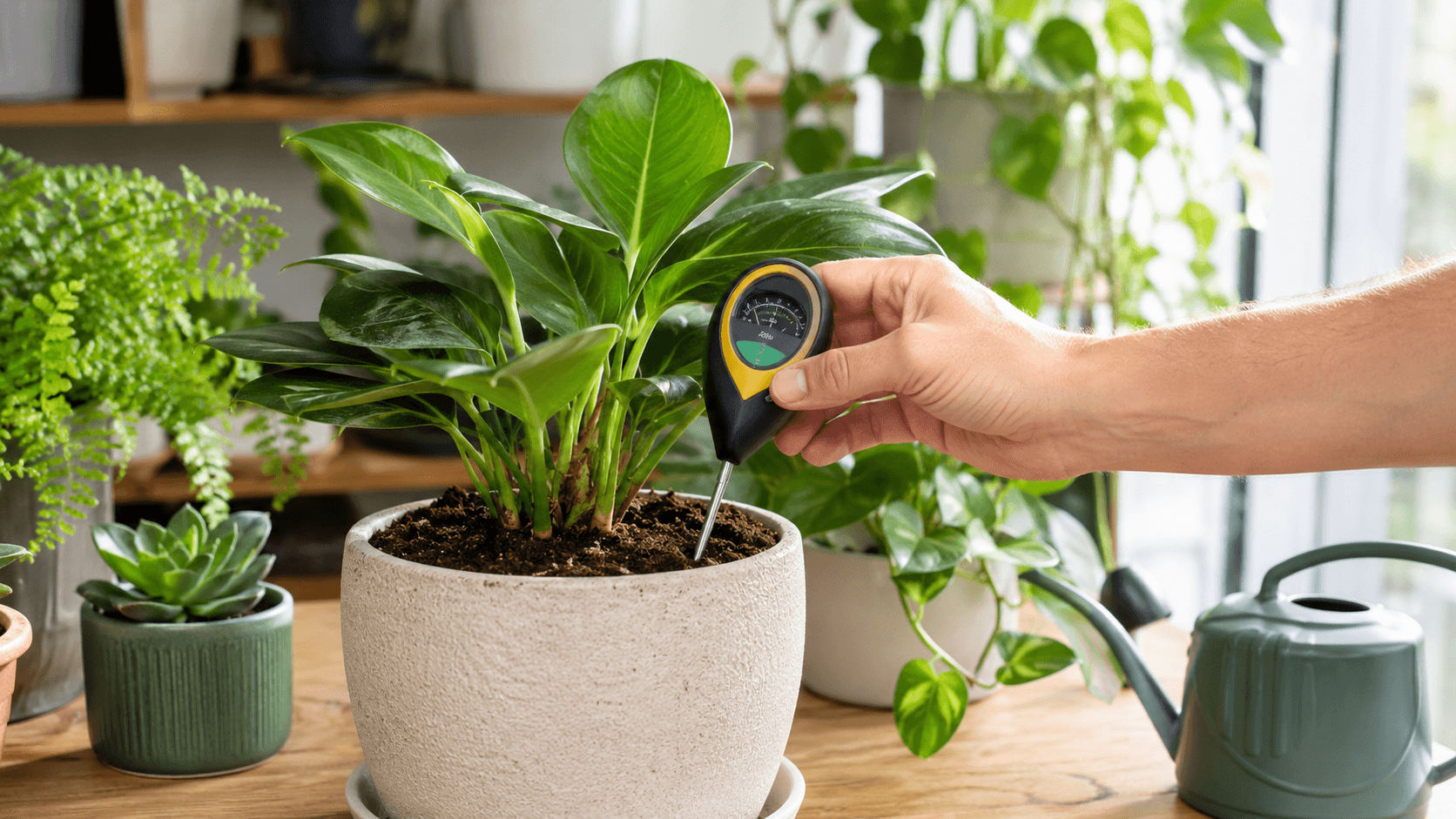
How to Use a Moisture Meter for Plants

5 min read · 4 Sept 2026

How to Use a Moisture Meter for Plants

Watering by feel kills plenty of houseplants. A moisture meter checks the soil for you, and takes the guesswork out of it. This guide will show you how to use it correctly, from the first touch to the final reading.

Beginner Guides
How to Use a Moisture Meter for Plants
What Plants Don't Like Epsom Salt?

11 min read · 29 Jul 2026

What Plants Don't Like Epsom Salt?

Learn which plants can be seriously damaged by Epsom salt and which will thrive on it. We’ll explain when and how to use it properly, provide tips for indoor & outdoor plants — read on and enjoy a healthy garden.

Plant Care
What Plants Don't Like Epsom Salt?