


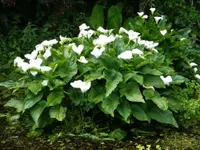

Best Soil for flax (Linum narbonense)

Linum narbonense grows best in loose, well-drained soil with a slightly acidic reaction, which supports healthy root function and steady growth.

Soil Texture

Sandy, Loamy, Rocky

Soil pH

Acidic (5.5–6.5), Slightly acidic (6.5–7.0)

Soil Drainage

Well-drained

Linum narbonense Soil Guide

Native to the western and central Mediterranean, Linum narbonense grows in open, sunny places with lean, mineral soils. Those conditions point to the best soil for flax: loose, airy ground that drains quickly after rain and does not stay soggy around the roots.

Sandy, loamy, or rocky soil suits this species because it gives roots oxygen while holding only moderate moisture. A slightly acidic to acidic reaction also fits its natural range. Rich, heavy soil is less suitable, since flax soil should stay open rather than dense and wet.

A simple homemade blend gives Linum narbonense the drainage and root-zone airflow it prefers while still holding enough moisture to settle in well.

100% total mix = 20 scoops
10%
fine gravel2 scoops
20%
pumice or perlite4 scoops
30%
loamy potting soil6 scoops
40%
coarse sand8 scoops

The finished mix should feel loose, gritty, and crumbly, with water moving through quickly instead of lingering around the roots.

A slightly acidic to acidic range around 5.5–7.0 suits flax well, with about 6.0–6.5 being a strong target for most situations. In that range, important nutrients stay more available to the roots without becoming overly restricted.

If pH drifts far outside that window, nutrient uptake can slow even when the soil otherwise seems suitable. This species is usually comfortable with mild variation, but it tends to perform best in gently acidic conditions.

Most soil-related trouble comes from poor root-zone conditions rather than a single ingredient. Linum narbonense is less comfortable in stale, compact soil than in a lighter mix.

Compaction:

Compaction: Soil that feels tight, crusted, or hard to wet evenly can limit root air flow, so gently loosen the surface and review whether the mix has become too dense.

Slow drainage:

Slow drainage: If the container stays heavy for a long time after watering, trapped moisture may be building up, so check drainage holes and move to a faster-draining medium if needed.

Nutrient lockout:

Nutrient lockout: Pale or stalled growth in otherwise acceptable care can point to pH imbalance, so test the root zone and adjust gradually instead of making large changes.

Surface buildup:

Surface buildup: A white or crusty layer can suggest mineral salts collecting over time, so scrape off the top layer and replace it with fresh material.

Match Plant to Soil

Botan helps match this plant to a suitable soil profile, so it is easier to choose a mix that fits its root needs.

FAQ

Yes. Drainage holes help excess water leave the container, which keeps the root zone better aerated and lowers the risk of stale, saturated potting soil for flax.

More Plant Soil Guides

Scan for Soil Problems

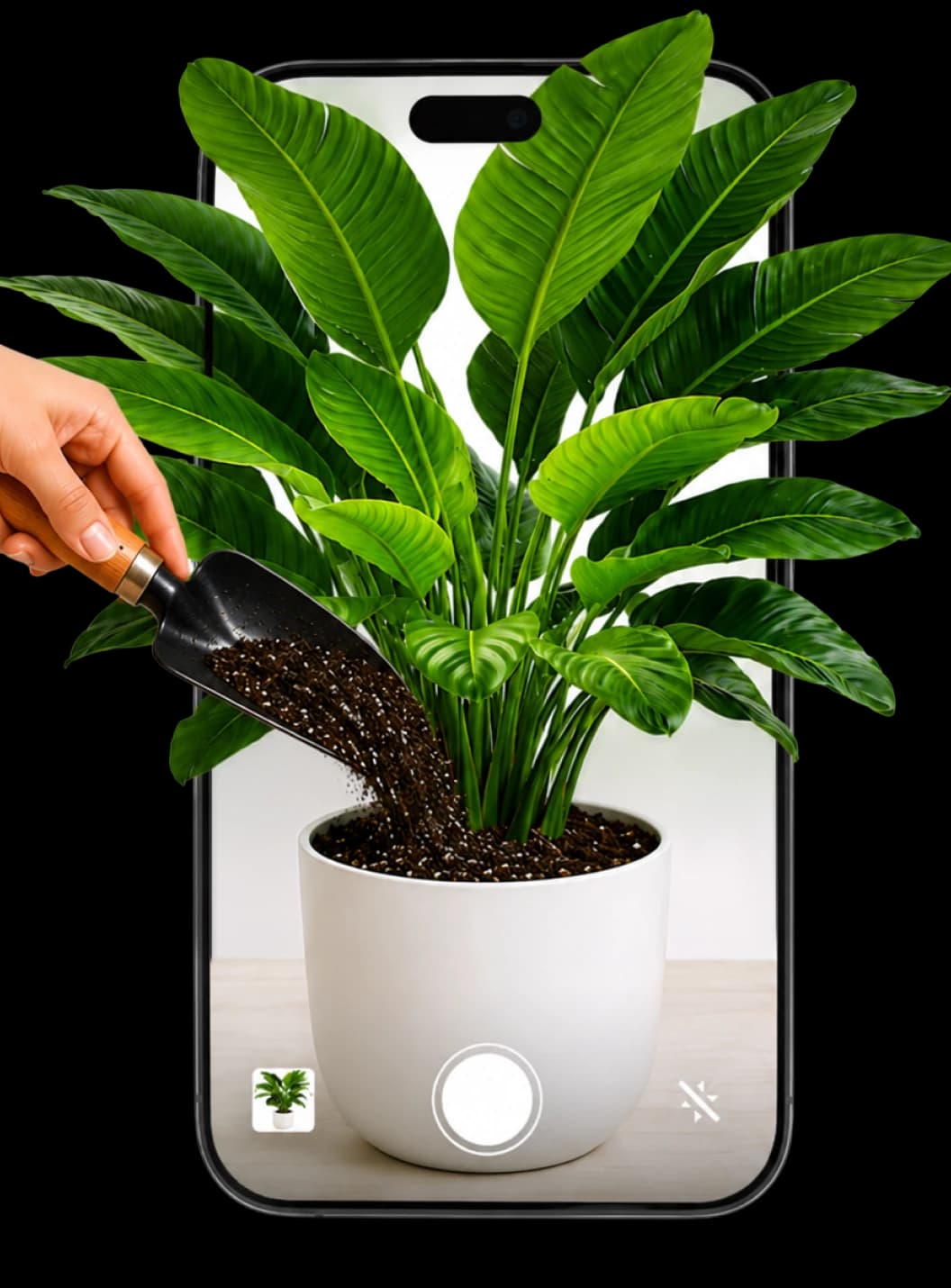
Botan can help assess visible issues from a photo and show whether soil conditions may be one factor worth checking.

Botan app helping with soil and plant care
How to Increase Humidity for Plants – 8 Simple Ways That Work

8 min read · 14 Aug 2026

How to Increase Humidity for Plants – 8 Simple Ways That Work

Dry indoor air stresses a lot of houseplants. You usually notice it first in the browning leaf tips. This guide describes 8 simple ways to raise the moisture around your plants, from humidifiers to pebble trays.

Plant Care
How to Increase Humidity for Plants – 8 Simple Ways That Work
How Long Can Flowers Go Without Water? Everything You Need to Know

6 min read · 10 Jul 2026

How Long Can Flowers Go Without Water? Everything You Need to Know

Flowers can survive without water anywhere from 1-2 hours to several months, depending on the plant type, species, and growing conditions. Some strong-looking flowers are drought-sensitive, while delicate-looking plants may tolerate long dry periods surprisingly well.

Plant Care
How Long Can Flowers Go Without Water? Everything You Need to Know
Best Time to Mow Lawn – A Complete Guide

5 min read · 10 Aug 2026

Best Time to Mow Lawn – A Complete Guide

Explore when to mow your lawn for its health and a pleasant green color. Find out the best time for this task during the summer heat, and follow practical tips for correctly cutting the grass, and learn common mistakes to avoid.

Plant Care
Best Time to Mow Lawn – A Complete Guide