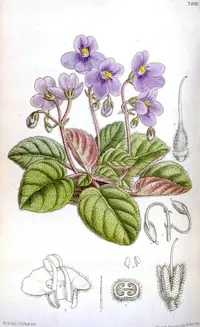
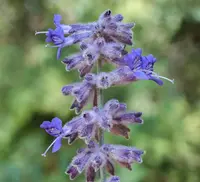
Best Soil for African Violet (Streptocarpus ionanthus)

Streptocarpus ionanthus grows best in a light, organic-rich mix that stays evenly moist yet airy enough for healthy roots.

Soil Texture

Loamy, Peaty, Organic-rich

Soil pH

Acidic (5.5–6.5), Slightly acidic (6.5–7.0)

Soil Drainage

Moist but well-drained

Streptocarpus ionanthus Soil Guide

Native to eastern tropical Africa, Streptocarpus ionanthus grows in warm, humid conditions where roots stay lightly moist but still have access to air. That background explains why it prefers a loose, organic-rich substrate rather than dense garden soil.

The best soil for African Violet is soft, airy, and moisture-retentive without staying soggy. Its fine roots are not built to push through compact material, so a loamy, peaty texture helps hold steady moisture while allowing excess water to drain away. Slight acidity also suits how this plant takes up nutrients.


A simple homemade blend can give Streptocarpus ionanthus the balance of airflow and moisture retention it needs in containers.

100% total mix = 20 scoops
10%
compost or leaf mold2 scoops
20%
fine pine bark4 scoops
30%
perlite6 scoops
40%
peat moss or coco coir8 scoops

The finished mix should feel light, springy, and slightly fluffy, with enough structure to stay evenly moist but not soggy.

A slightly acidic to mildly acidic range around 5.5–6.8 suits African Violet well. Within that range, key nutrients stay more available to the roots, which supports steadier leaf and flower development.

Streptocarpus ionanthus can handle small variation, but soil that drifts far outside this range may make nutrient uptake less efficient even when the mix itself looks suitable.

This species can react quickly to poor root-zone conditions, especially when the crown stays damp for too long. Check the mix before assuming a larger health issue.

Compacted mix:

Compacted mix: soil stays heavy, dries unevenly, or resists wetting, so loosen the top gently and plan to replace the mix with a fresher, airier one.

Poor drainage:

Poor drainage: a sour smell, persistent dampness, or a pot that stays heavy suggests excess moisture, so empty any trapped water and reassess container drainage.

Salt buildup:

Salt buildup: a crust on the soil surface or pot rim can point to accumulated minerals, so scrape off the top layer and flush the mix thoroughly if drainage is good.

Decomposed organic matter:

Decomposed organic matter: if African Violet soil has shrunk, become dense, or breaks down into fine particles, replace it with a more open, stable mix.

Scan for Better Soil

Botan can help assess your plant and guide you toward a more suitable soil setup based on how this species typically grows.

FAQ

Yes. Drainage holes let excess water leave the pot instead of collecting around the root zone. That matters because a constantly saturated mix can reduce oxygen and make the growing medium break down faster.

Everything About African Violet

More Plant Soil Guides

Check Your Soil Choice

If a plant looks off, Botan’s photo-based check can help you see whether soil conditions may be part of the problem.

Botan app helping with soil and plant care
How to Winterize Your Garden in 6 Steps

5 min read · 28 Sept 2026

How to Winterize Your Garden in 6 Steps

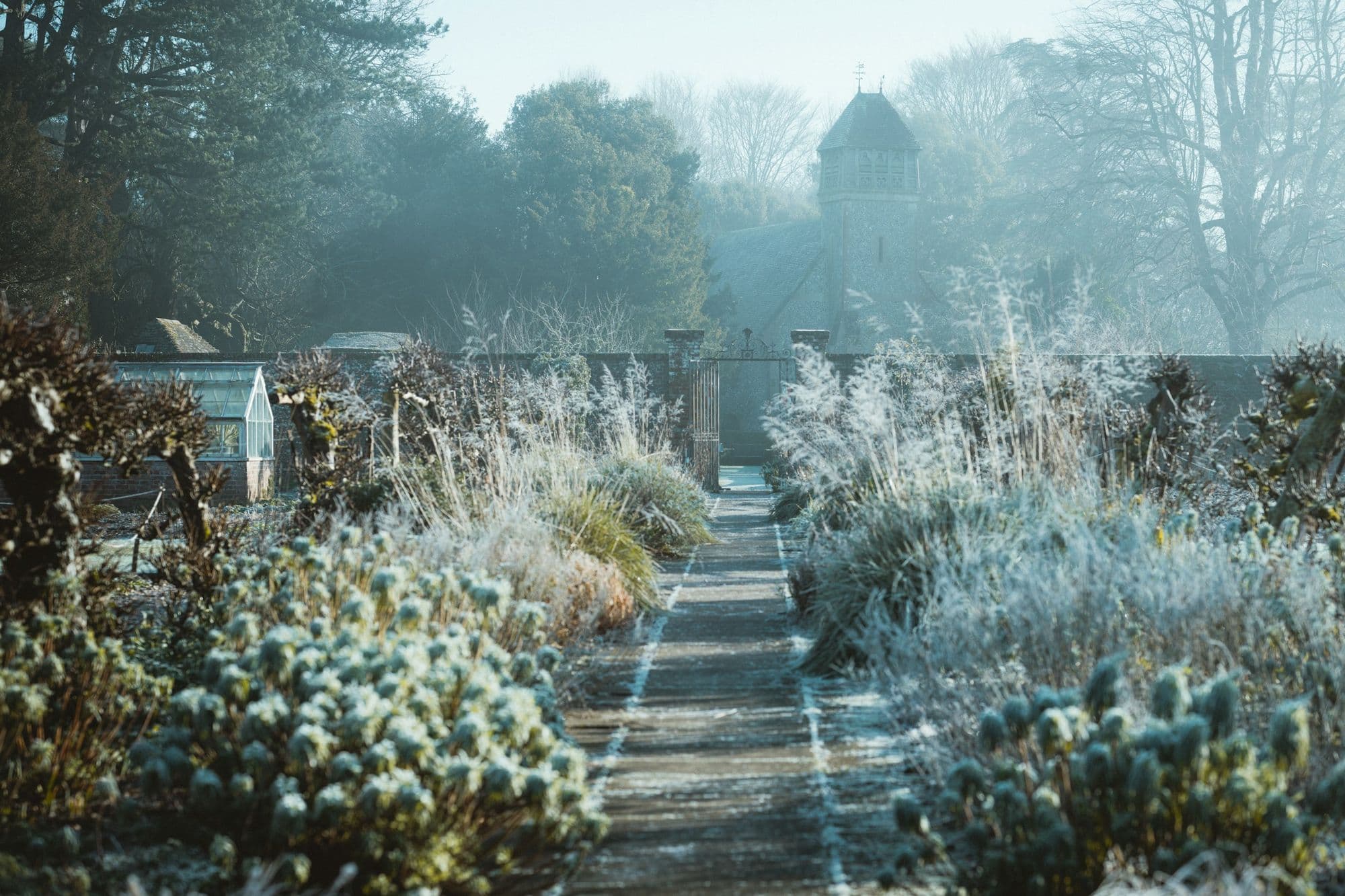
Learn how to prepare your garden for winter with a practical six-step checklist covering cleanup, tender plant care, watering, mulching, winter protection, and winterizing equipment and containers.

Plant Care
How to Winterize Your Garden in 6 Steps
Top 15 Fast-Growing Trees For Your Garden

13 min read · 28 Jul 2026

Top 15 Fast-Growing Trees For Your Garden

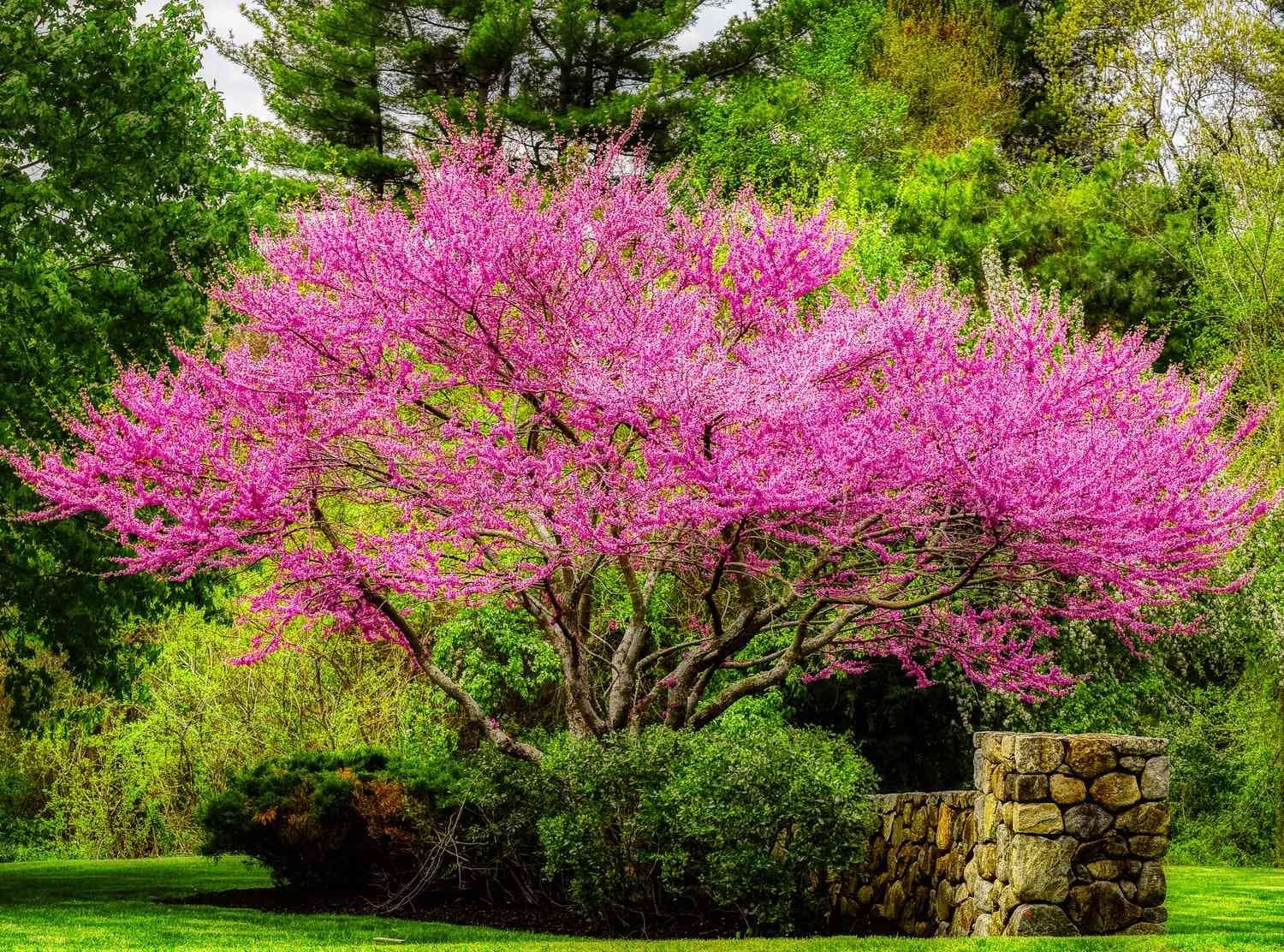
Learn which of the 15 fastest-growing trees will suit your area. We’ll share detailed information on each: growth rate, mature spread, key tree demands, and main vulnerabilities. Read on and make the best choice possible.

Plant Recommendations
Top 15 Fast-Growing Trees For Your Garden
How to Group Plants in Landscaping: A Practical Layout Guide

8 min read · 31 Aug 2026

How to Group Plants in Landscaping: A Practical Layout Guide

Good plant grouping can mean the difference between a well-planned garden and one that looks sloppy. This guide explores layers, spacing, cluster shapes, and the plants that thrive when you group them.

Plant Care
How to Group Plants in Landscaping: A Practical Layout Guide