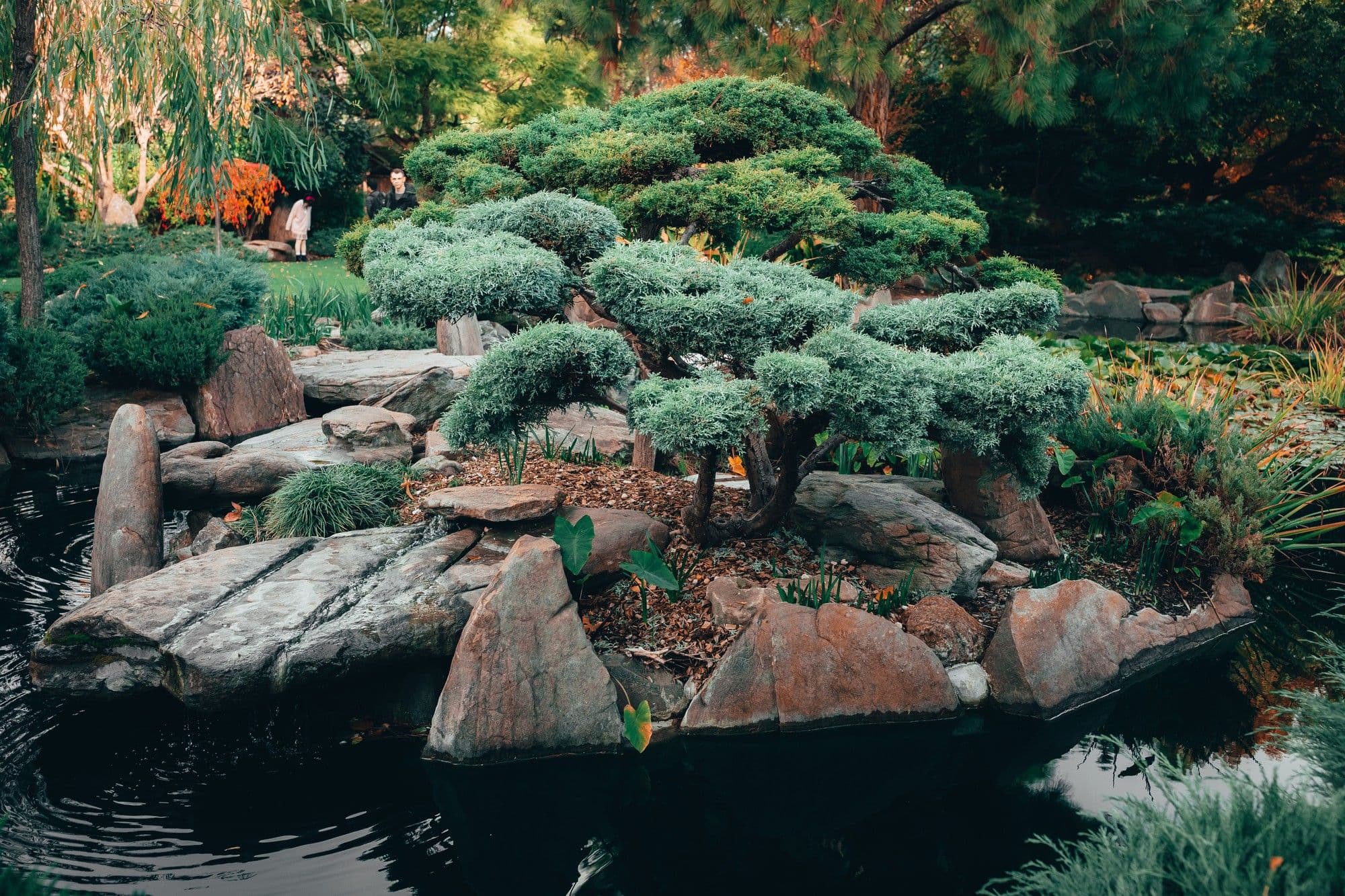




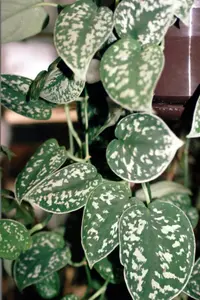
Best Soil for Watermelon Peperomia (Peperomia argyraea)

Peperomia argyraea grows best in a loose, well-drained mix that supports gentle moisture retention and healthy root function.

Soil Texture

Loamy, Peaty, Organic-rich

Soil pH

Acidic (5.5–6.5), Slightly acidic (6.5–7.0)

Soil Drainage

Well-drained

Peperomia argyraea Soil Guide

Native to northern South America, Peperomia argyraea comes from warm, humid forest environments where roots sit in loose, organic material rather than dense ground. That background explains its preference for soil that stays lightly moist but still has good airflow around the roots.

The best soil for Watermelon Peperomia is loamy, rich in organic matter, and well-drained. Its relatively fine, shallow roots handle gentle moisture retention better than heavy, wet soil, which limits oxygen at the root zone. A slightly acidic to near-neutral substrate supports steady root function and balanced moisture.

A simple custom mix gives Peperomia argyraea the balance of airflow and moisture control it needs in a container.

100% total mix = 20 scoops
10%
fine orchid bark2 scoops
20%
perlite or pumice4 scoops
30%
high-quality potting soil6 scoops
40%
peat moss or coco coir8 scoops

The finished blend should feel light, slightly springy, and crumbly, with water moving through evenly instead of pooling.

A good target range is 5.5–7.0 pH, with slightly acidic conditions usually working best. Watermelon Peperomia is fairly comfortable in that zone, where key nutrients stay available without becoming excessively locked up in the root area.

If the mix drifts too far outside that range, the plant may have a harder time taking up minerals even when they are present in the soil.

This species can struggle when the root zone stays compressed or stale for too long. Changes in texture and surface condition are often useful early clues.

Compacted soil:

Dense mix that hardens after watering can limit airflow to roots; gently loosen only the top layer and plan to replace the mix if it stays tight.

Soggy lower zone:

If the surface seems dry but the pot stays heavy, excess moisture may be trapped below; check drainage and pause before adding more water.

Crusted surface:

A dry, sealed top layer can make water run down the sides; break the crust lightly and rewet the mix gradually.

Decomposed mix:

Older Watermelon Peperomia soil may shrink, look very fine, or drain unevenly; refresh with a new mix that restores structure and air pockets.

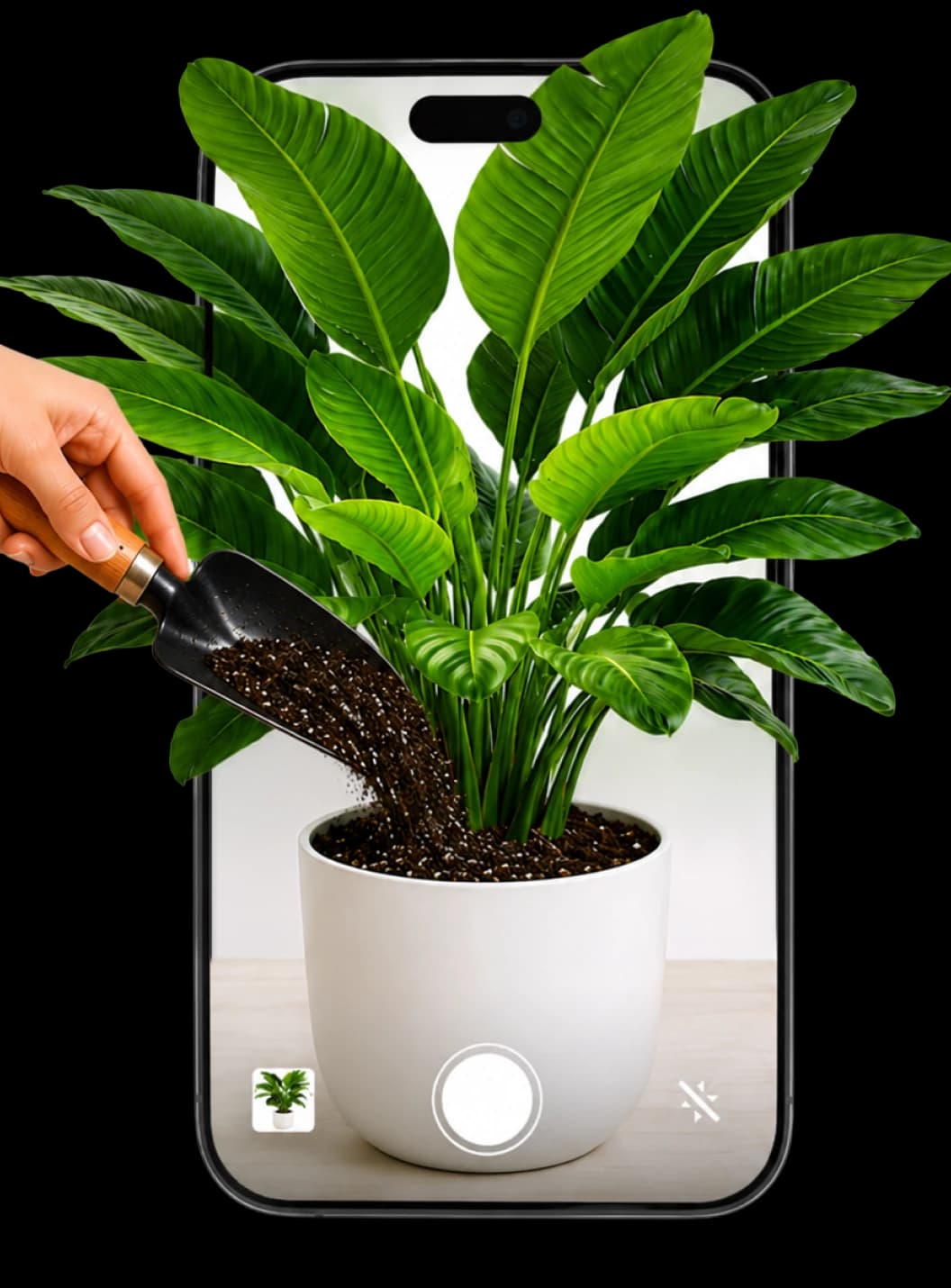
Scan for Better Soil

Botan can help identify the plant and guide a soil choice that better matches its root needs and container growing habits.

FAQ

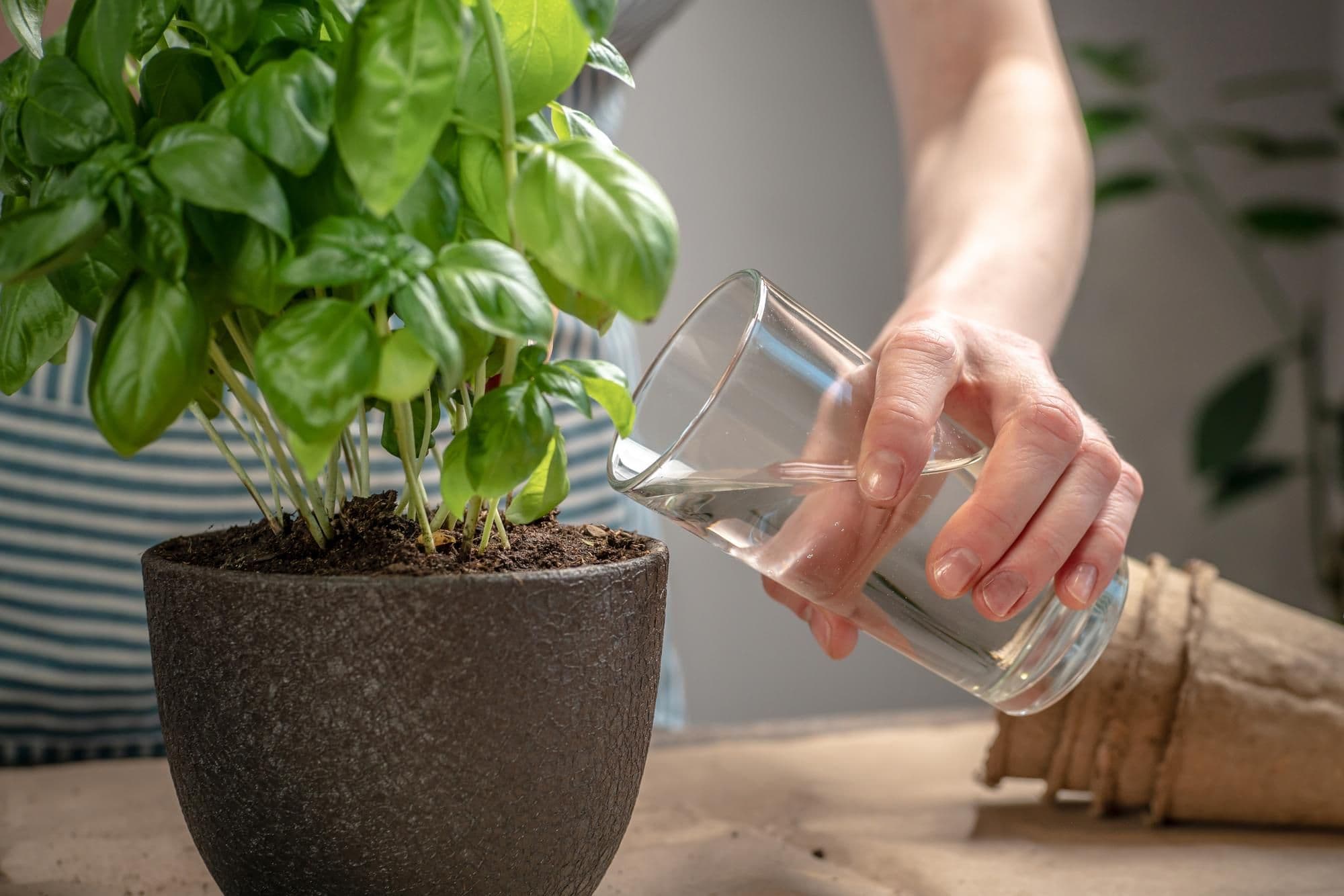
Yes. Drainage holes help excess water leave the container so the root zone does not stay saturated. That matters because this species handles airy, fast-draining conditions better than trapped moisture.

More Plant Soil Guides

Check Your Soil Choice

If growth looks off, soil may be one factor worth checking. Botan’s photo-based assessment can help you decide what to review next.

Botan app helping with soil and plant care
Best Water for Plants – How to Choose the Right Type

7 min read · 13 Aug 2026

Best Water for Plants – How to Choose the Right Type

Rainwater, filtered, distilled, and tap water affect plants differently. Learn which types support healthy growth and which cause slow damage. Match each to your plants and discover how to easily improve tap water quality.

Plant Care
Best Water for Plants – How to Choose the Right Type
Top 15 Plants That Don’t Need Sunlight

8 min read · 17 Sept 2026

Top 15 Plants That Don’t Need Sunlight

Some plants thrive in dim rooms, shaded corners, and places with indirect light. In this guide, you’ll explore the top 15 species best suited to low-light conditions and how to care for them.

Plant Recommendations
Top 15 Plants That Don’t Need Sunlight
How to Group Plants in Landscaping: A Practical Layout Guide

8 min read · 31 Aug 2026

How to Group Plants in Landscaping: A Practical Layout Guide

Good plant grouping can mean the difference between a well-planned garden and one that looks sloppy. This guide explores layers, spacing, cluster shapes, and the plants that thrive when you group them.

Plant Care
How to Group Plants in Landscaping: A Practical Layout Guide