


Best Soil for Chinese Evergreen (Aglaonema modestum)

Aglaonema modestum grows best in a loose, moisture-retentive mix with good drainage, which supports healthy roots and steady growth.

Soil Texture

Loamy, Peaty, Organic-rich

Soil pH

Acidic (5.5–6.5), Slightly acidic (6.5–7.0)

Soil Drainage

Moist but well-drained

Aglaonema modestum Soil Guide

Native to tropical Asia, Aglaonema modestum grows in warm, shaded forest understories where the ground stays lightly moist and rich in decayed plant material. That background explains its preference for soil that feels loose, humus-rich, and evenly moist rather than dense or fast-drying.

Its roots benefit from steady access to both moisture and air, so the best soil for Chinese Evergreen drains well but still holds some water between soakings. A loamy, organic-rich texture suits this balance and supports gentle root spread without compacting easily.

A simple blended mix gives Aglaonema modestum the balance of airflow and moisture retention it needs in containers.

100% total mix = 20 scoops
10%
fine orchid bark2 scoops
20%
perlite or pumice4 scoops
30%
high-quality potting soil6 scoops
40%
peat moss or coco coir8 scoops

The finished blend should feel light, springy, and slightly fluffy, holding some moisture while letting extra water pass through without staying soggy.

A slightly acidic to near-neutral range of about 5.5–7.0 suits Chinese Evergreen well. Within that window, key nutrients stay more available to the roots, which supports steady leaf and root development.

Aglaonema modestum is fairly adaptable, but strongly alkaline or overly acidic conditions can gradually limit nutrient uptake. If the pH stays close to the recommended range, the root zone usually functions more efficiently.

This species handles consistent moisture better than stale, airless soil. Chinese Evergreen may struggle when the root zone stays compressed or broken down for too long.

Compacted mix:

Dense soil that dries slowly and feels tight around the roots can reduce airflow, so gently loosen the surface and plan to refresh the mix if it stays heavy.

Soggy lower layer:

If the top seems acceptable but the pot stays wet deep down, trapped moisture may be collecting, so check drainage and let the container empty fully.

Shrunken dry mix:

Peaty blends can pull from the pot edge when very dry, causing uneven moisture, so rehydrate the root ball gradually until the soil absorbs evenly again.

Salt buildup:

A crust on the surface or rim can mean minerals are accumulating, so scrape off the top layer and flush the pot thoroughly with clean water.

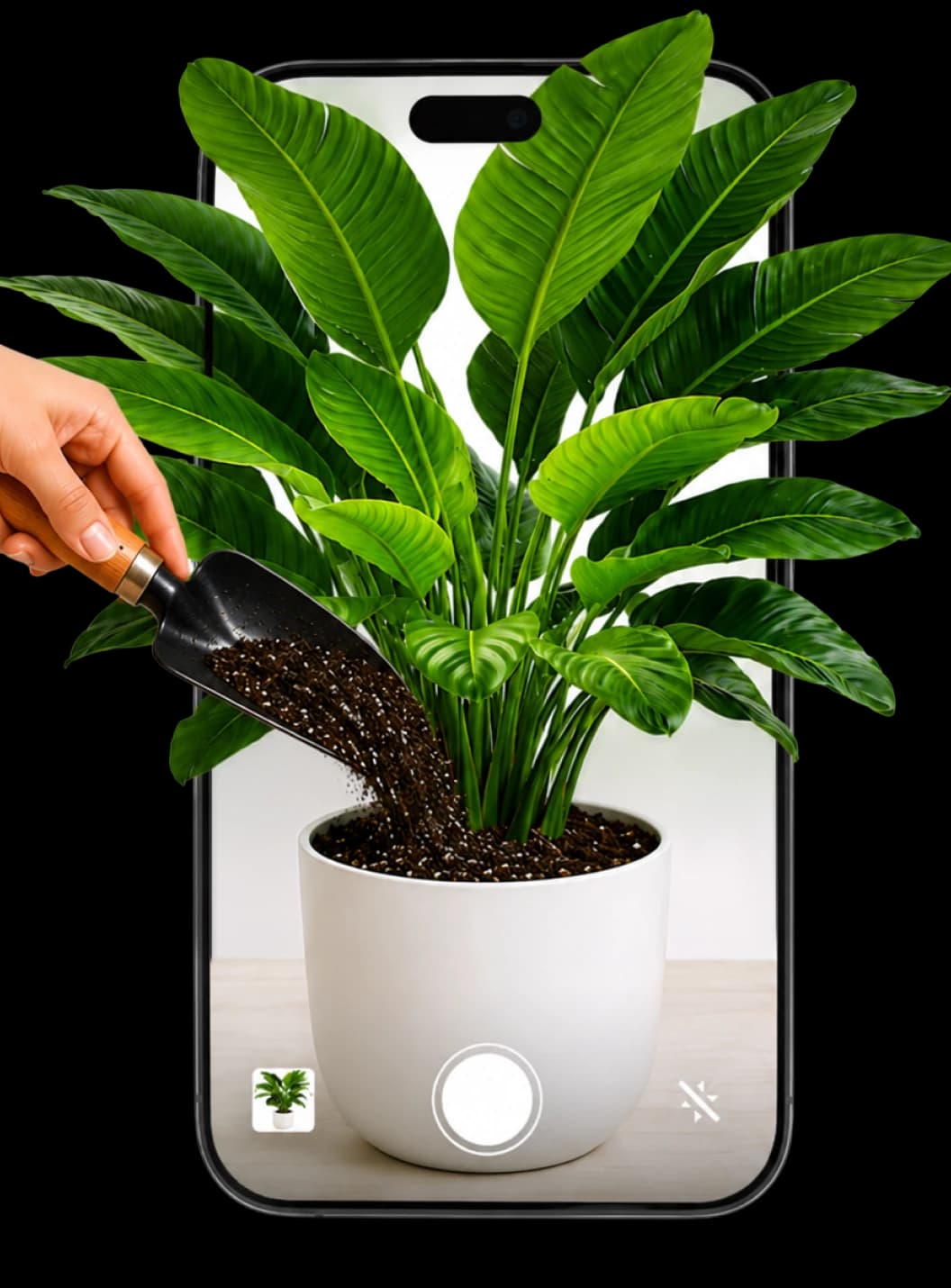
Scan. Match. Grow.

Botan helps match the plant and guides better soil choices based on how this species typically roots and grows in containers.

FAQ

Yes. Drainage holes help excess water leave the pot so the root zone gets both moisture and air. Without them, the lower soil layer often stays too wet for too long.

More Plant Soil Guides

Is Your Soil the Problem?

Yellowing, drooping, or slow growth can have several causes, and soil is one possibility. A photo check in Botan can help narrow it down.

Botan app helping with soil and plant care
Plants That Repel Bugs – 20 Effective Options

12 min read · 16 Jul 2026

Plants That Repel Bugs – 20 Effective Options

Mosquitoes on the patio? Gnats in the kitchen? Some plants keep them away with the scent of their own leaves. Here are 20 that deal with mosquitoes, flies, aphids, and more, plus where to put them so they help.

Plant Recommendations
Plants That Repel Bugs – 20 Effective Options
10 Easy Garden Flowers to Grow

8 min read · 10 Sept 2026

10 Easy Garden Flowers to Grow

Discover 10 garden flowers that require minimal care. Learn which characteristics make plants easy to grow and follow tips on how to create a beautiful corner from beginner-friendly blooms on your property.

Beginner Guides
10 Easy Garden Flowers to Grow
Best Water for Plants – How to Choose the Right Type

7 min read · 13 Aug 2026

Best Water for Plants – How to Choose the Right Type

Rainwater, filtered, distilled, and tap water affect plants differently. Learn which types support healthy growth and which cause slow damage. Match each to your plants and discover how to easily improve tap water quality.

Plant Care
Best Water for Plants – How to Choose the Right Type