





Best Soil for Sago palm (Cycas revoluta)

Cycas revoluta grows best in a gritty, fast-draining mix with slight acidity, which supports healthy roots and reduces stress around the base.

Soil Texture

Sandy, Loamy, Rocky

Soil pH

Acidic (5.5–6.5), Slightly acidic (6.5–7.0)

Soil Drainage

Well-drained

Cycas revoluta Soil Guide

Native to southern Japan, Cycas revoluta grows in warm coastal areas with sandy, rocky, or loamy ground that drains quickly. That background explains why Sago palm soil should feel open and mineral-rich rather than dense or wet for long periods.

Its root system prefers steady airflow and light moisture without staying saturated. The best soil for Sago palm holds some water briefly, then sheds excess fast, which helps support healthy roots and suits this slow-growing cycad’s naturally lean, well-drained conditions.

A homemade mix gives better control over texture and airflow than standard indoor potting soil. For Cycas revoluta, aim for a lean, open blend that settles lightly.

100% total mix = 20 scoops
15%
pine bark fines3 scoops
20%
coarse sand4 scoops
25%
pumice or perlite5 scoops
40%
coarse potting soil8 scoops

The finished mix should feel gritty, light, and slightly chunky, with water passing through quickly instead of leaving the root zone dense and heavy.

A good target for Sago palm is about 5.5–7.0 pH, with slightly acidic soil often giving the most reliable nutrient uptake.

Within that range, important nutrients stay more available to the roots without pushing the mix too far acidic or alkaline. Cycas revoluta can handle some variation, but extremes may limit how efficiently it uses minerals from the soil.

This species is more likely to struggle in stale, compacted media than in a mix that stays airy. Soil can be one factor worth checking when growth seems off.

Compaction:

Compaction: If the surface hardens and water stops moving evenly through the pot, gently loosen only the top layer and plan to replace the mix with a more open one.

Staying wet too long:

Staying wet too long: A heavy, slow-drying root zone can stress Sago palm, so check drainage speed and move it into a faster-draining medium if the mix remains damp for extended periods.

Salt buildup:

Salt buildup: A white crust on the soil surface or pot rim suggests mineral accumulation, and the first response is to remove the crust and flush the mix thoroughly.

Old degraded mix:

Old degraded mix: When organic particles break down into a fine, dense material, refresh the container with new substrate that has better structure and air space.

Right Plant. Right Soil.

Botan helps match this plant to a more suitable soil setup by combining care guidance with plant identification and symptom context.

FAQ

Yes. A pot that is much deeper than the root system can leave unused soil wet for too long. Choose a container that fits the root mass and still allows steady drainage.

Everything About Sago palm

More Plant Soil Guides

Is Your Soil the Problem?

If leaves or growth seem off, soil may be one factor. Botan can help review visible issues and show whether the root environment is worth checking.

Botan app helping with soil and plant care
How To Revive a Dying Plant: 6 Steps To Bring A Plant Back To Life

6 min read · 1 Sept 2026

How To Revive a Dying Plant: 6 Steps To Bring A Plant Back To Life

Drooping leaves and brown tips don't always mean the end, and a weakened plant can often recover with a little help. These six simple steps will help you revive a dying plant and restore its health.

Plant Care

How To Revive a Dying Plant: 6 Steps To Bring A Plant Back To Life
Frozen vs Fresh Vegetable Nutrients: Which Option Is Healthier?

6 min read · 8 Sept 2026

Frozen vs Fresh Vegetable Nutrients: Which Option Is Healthier?

Frozen and fresh vegetables are nutritionally comparable: frozen produce often retains vitamins just as well as fresh and may sometimes contain more. Here’s how blanching and storage affect nutrients—and when to choose each.

Plant Recommendations
Frozen vs Fresh Vegetable Nutrients: Which Option Is Healthier?
Best Time to Water Grass in Summer – Lawn Watering Tips

5 min read · 21 Jul 2026

Best Time to Water Grass in Summer – Lawn Watering Tips

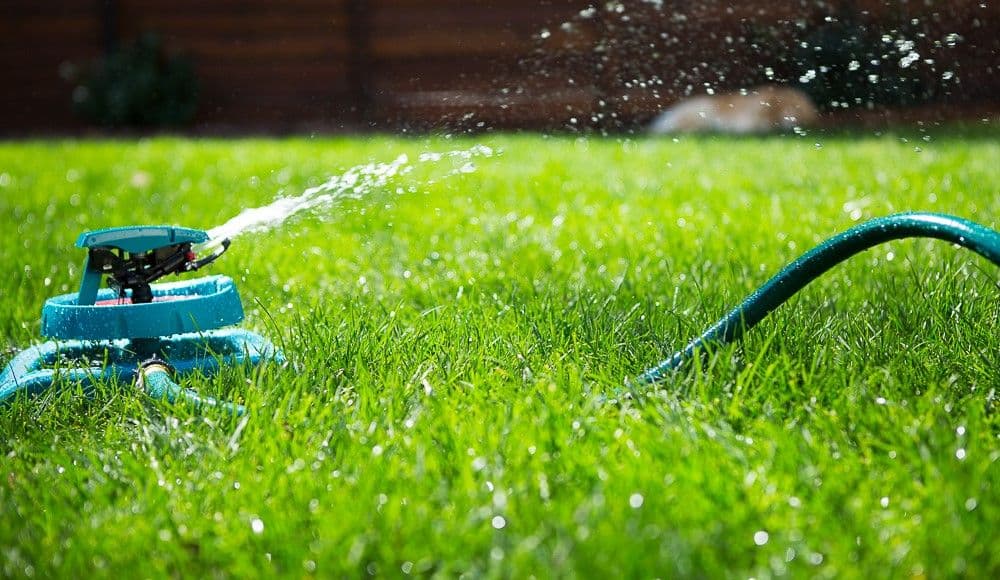
Summer watering is easy to get wrong. This guide explains when to turn on your sprinkler, how much liquid your grass needs each week, and how to tell if you're overwatering or underwatering.

Plant Care
Best Time to Water Grass in Summer – Lawn Watering Tips