




7 min read · 24 Aug 2026
How to Water Houseplants: Watering Guide
Learn how often to water indoor plants, key factors for proper watering, and how to adjust the care routine by plant type, season, pot size, light, and indoor conditions.
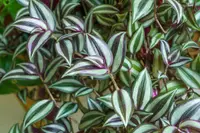
For strong root growth, Tradescantia zebrina needs a loose, moisture-retentive mix with reliable drainage and a slightly acidic to near-neutral pH.

Soil Texture
Loamy, Organic-rich, Sandy

Soil pH
Acidic (5.5–6.5), Slightly acidic (6.5–7.0)

Soil Drainage
Moist but well-drained

Native to Mexico and parts of Central America, Tradescantia zebrina grows in warm areas where the ground stays lightly moist but does not remain soggy. That background explains its preference for soil that holds some moisture yet drains freely, with enough air spaces around the roots.
A loose, loamy to sandy texture with plenty of organic matter suits its shallow, spreading root system and fast trailing growth. The best soil for Wandering Jew feels light rather than dense, helping roots access oxygen while still holding enough moisture to support steady growth.
A simple homemade blend gives Tradescantia zebrina the balance of airflow and moisture retention it needs in a container.
The finished mix should feel loose, slightly springy, and easy to crumble, with water passing through evenly instead of pooling.
A good target range is 5.5–7.0 pH, with the best results usually in slightly acidic soil. Tradescantia zebrina is not highly fussy, but this range supports steady nutrient availability in container mixes.
If the root zone drifts too far outside that range, some nutrients become harder for the plant to absorb even when they are present in the soil. Keeping pH moderately acidic to near neutral helps maintain balanced growth.
This species can decline in stale, compacted media, so the root zone is worth checking when growth seems off.
Dense mix that dries hard or sheds water can limit root airflow; gently loosen the top layer and plan to refresh the medium if it no longer opens up when moistened.
A mix that stays wet and heavy for too long may stress roots; check drainage first and let the upper portion dry slightly before adding more moisture.
If water runs down the pot edge and the center stays dry, the mix has likely become too dry; rewet it slowly in stages until it absorbs evenly again.
If Wandering Jew soil looks dusty, shrinks from the pot sides, or breaks down into fine particles, replace it with a fresher, more stable blend.

Plant Soil Guide
Find the right soil mix for your plant and support healthier root growth
Botan helps match this plant to a suitable soil type so texture and drainage make more sense before problems build up.
Yes. A pot that is deeper than the root system can hold excess moisture below the active roots, which slows drying and can make the mix less balanced over time.
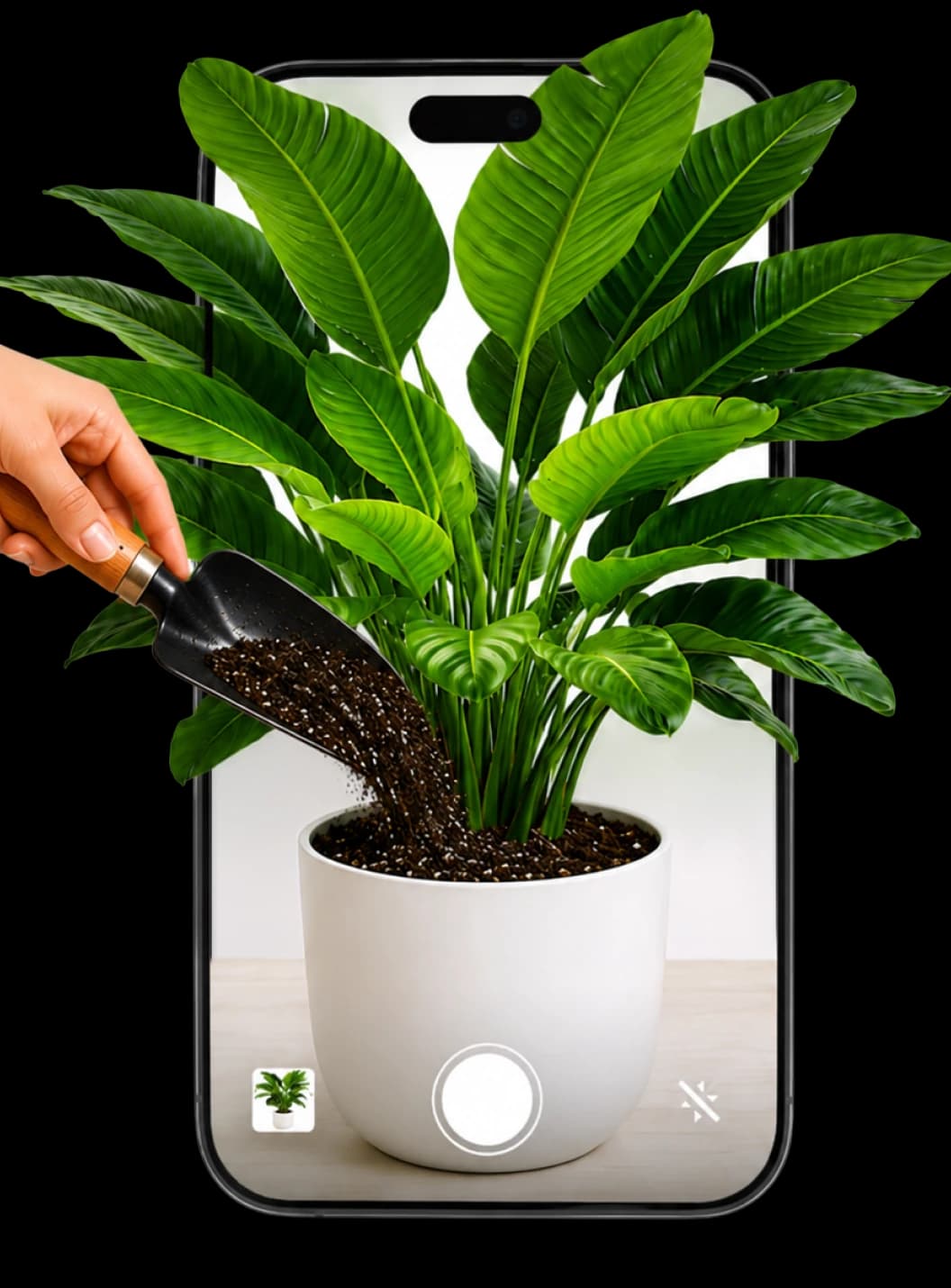
Soil may be part of the issue behind a visible decline. Botan’s photo-based assessment can help you check that possibility.


7 min read · 24 Aug 2026
Learn how often to water indoor plants, key factors for proper watering, and how to adjust the care routine by plant type, season, pot size, light, and indoor conditions.

8 min read · 31 Jul 2026
To keep plants healthy and thriving, provide the right balance of light, humidity, nutrients, airflow, and quality soil. This guide covers the essentials of year-round plant care.

6 min read · 19 Aug 2026
A plant can lose its leaves, stop growing, or collapse and still remain alive. A closer look at the stems, roots, bulbs, and tubers can show whether the plant still has a chance to recover.