


Best Soil for False Shamrock (Oxalis triangularis)

A loose, organic-rich mix helps Oxalis triangularis maintain healthy roots while staying evenly moist without becoming heavy or airless.

Soil Texture

Loamy, Sandy, Organic-rich

Soil pH

Acidic (5.5–6.5), Slightly acidic (6.5–7.0)

Soil Drainage

Moist but well-drained

Oxalis triangularis Soil Guide

Native to parts of South America, Oxalis triangularis grows from small underground tubers that need steady moisture with good airflow around them. That natural growth habit explains why this plant prefers soil that stays lightly moist without becoming dense or waterlogged.

The best soil for False Shamrock is loose, loamy to sandy, and rich in organic matter. This texture holds enough moisture for active growth but still drains well, which suits its tuberous roots and helps support healthy oxygen flow below the surface.

A homemade mix gives better control over texture than standard potting soil alone. For Oxalis triangularis, aim for a blend that stays lightly moist but never dense.

100% total mix = 20 scoops
10%
fine pine bark2 scoops
20%
perlite or pumice4 scoops
25%
coco coir or peat moss5 scoops
45%
potting soil9 scoops

The finished blend should feel light, springy, and crumbly, holding some moisture while letting extra water pass through quickly.

A slightly acidic to near-neutral range of about 5.5–7.0 suits False Shamrock well. Within that range, key nutrients stay available without making uptake unnecessarily difficult.

If the pH drifts too far from this window, the plant may have a harder time accessing iron and other trace nutrients. A mildly acidic mix is usually the most reliable starting point.

This species can struggle when the root zone stays stale or compressed for too long. Check the soil first when growth slows or the surface behavior seems unusual.

Compacted soil:

Dense mix that dries hard or sheds water can limit root airflow, so gently loosen the top layer and plan to refresh the medium if it stays tight.

Staying wet too long:

A heavy, slow-drying root zone may stress the underground structures, so reduce excess moisture around the roots by improving drainage and checking pot flow.

Soil drying unevenly:

If the top turns dusty while lower layers stay damp, water movement is inconsistent, so inspect the mix texture and break up stubborn dry pockets.

Fungus gnats:

Small flies around False Shamrock soil often point to persistently damp organic material, so let the surface dry slightly more between checks and remove debris.

Match Plant to Soil

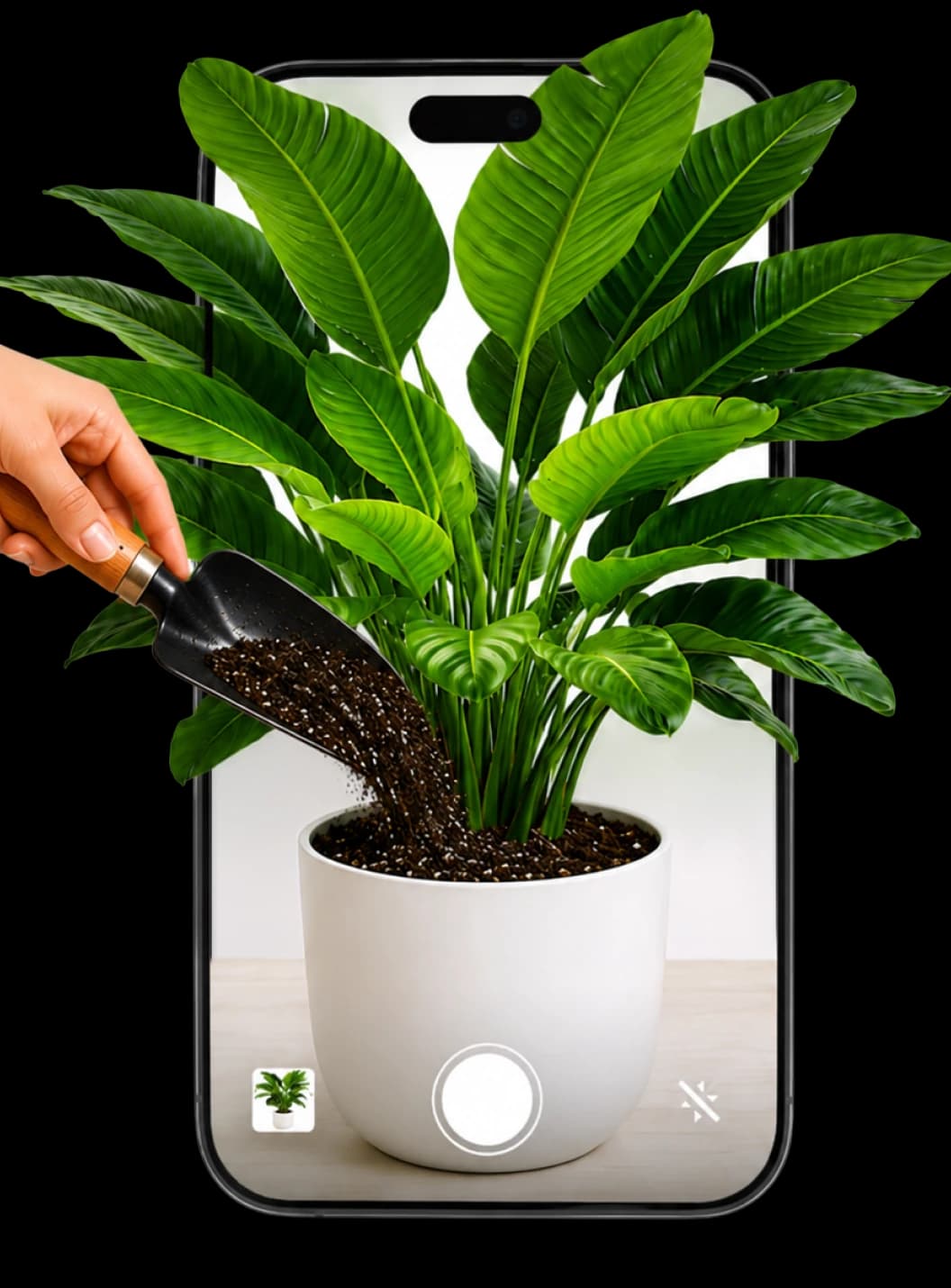
Botan helps match this plant to a more suitable soil setup based on its growth habits, potting context, and likely care conditions.

FAQ

Yes. Drainage holes help excess water leave the container instead of collecting around the roots and storage structures, which lowers the risk of stagnant, airless conditions in the potting soil for False Shamrock.

Everything About False Shamrock

More Plant Soil Guides

Soil Problem? Scan It.

A photo scan can help show whether a visible issue may be linked to soil conditions. Botan checks common stress patterns and likely contributing factors.

Botan app helping with soil and plant care
What Plants Don't Like Epsom Salt?

11 min read · 29 Jul 2026

What Plants Don't Like Epsom Salt?

Learn which plants can be seriously damaged by Epsom salt and which will thrive on it. We’ll explain when and how to use it properly, provide tips for indoor & outdoor plants — read on and enjoy a healthy garden.

Plant Care
What Plants Don't Like Epsom Salt?
Planting Grass Seed in Summer – What Works and What Fails

7 min read · 6 Aug 2026

Planting Grass Seed in Summer – What Works and What Fails

Summer seeding succeeds when the grass type suits the season, and the soil stays moist. Find out how to prepare the seedbed and choose a safe window for planting.

Plant Care
Planting Grass Seed in Summer – What Works and What Fails
How to Clean Plant Leaves: A Simple Care Guide

6 min read · 4 Aug 2026

How to Clean Plant Leaves: A Simple Care Guide

Dusty leaves look dull and don't absorb light well. Below, you'll find simple ways to clean them, which tools are truly effective, how often you should do it, and what causes damage.

Beginner Guides
How to Clean Plant Leaves: A Simple Care Guide