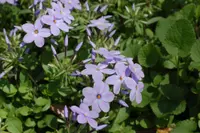



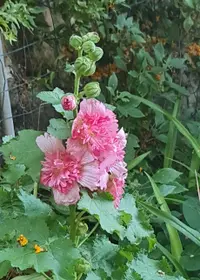

Best Soil for creeping phlox (Phlox stolonifera)

For strong root spread, Phlox stolonifera needs loose, moisture-retentive soil with good drainage and a mildly acidic to near-neutral pH.

Soil Texture

Sandy, Loamy, Organic-rich

Soil pH

Acidic (5.5–6.5), Slightly acidic (6.5–7.0)

Soil Drainage

Moist but well-drained

Phlox stolonifera Soil Guide

Native to the eastern United States, Phlox stolonifera grows in open woodlands and on shaded slopes where soil stays evenly moist but still drains freely. That background explains why the best soil for creeping phlox feels loose, humus-rich, and airy rather than dense or soggy.

Its spreading stolons root along the surface, so creeping phlox soil should hold some moisture near the top while still allowing oxygen around the roots. Sandy or loamy ground enriched with organic matter suits this habit and supports steady growth without waterlogging.

A simple homemade blend works well when a standard bagged mix feels too heavy or dries unevenly for Phlox stolonifera.

100% total mix = 20 scoops
15%
perlite or pumice3 scoops
20%
pine bark fines4 scoops
25%
compost or leaf mold5 scoops
40%
organic-rich potting soil8 scoops

The finished blend should feel crumbly and light, hold gentle moisture, and let excess water move through without becoming dense.

Most soil issues develop gradually, so early checks are useful. Creeping phlox tends to perform poorly when the root zone stays dense or stagnant for too long.

Compacted soil:

Dense, crusted soil can limit air around the roots; gently loosen the surface and work in fresh organic material around the planting area.

Poor drainage:

If the soil stays wet for long periods or feels swampy below the surface, improve runoff and open the mix before conditions decline further.

Dry, depleted soil:

Fast-drying soil with little organic matter can leave roots under stress; add moisture-holding amendment and monitor how evenly the root zone stays damp.

pH drift:

If growth seems weaker after repeated amendments or local water use, test the soil and adjust only after confirming the reading.

Better Soil Starts Here

Botan helps match this plant to a more suitable soil setup by combining plant ID with practical care guidance.

FAQ

Yes. A moderately deep pot helps keep moisture more even and gives spreading roots room to establish, but an overly deep container can leave unused soil wet for too long.

Everything About creeping phlox

More Plant Soil Guides

Check Your Soil Choice

If a plant looks off, soil may be one factor worth checking. Botan’s photo-based assessment can help narrow down possible causes.

Botan app helping with soil and plant care
Best Fertilizer for Vegetable Gardens – What to Use for Each Plant

11 min read · 20 Jul 2026

Best Fertilizer for Vegetable Gardens – What to Use for Each Plant

Here, you’ll find the right fertilizer formula for vegetables in your garden. Learn how to adjust feeding correctly throughout the growing cycle, spot nutrient deficiencies by their symptoms, and keep your plants healthy and prolific.

Plant Recommendations
Best Fertilizer for Vegetable Gardens – What to Use for Each Plant
Thorny Plants: A Comprehensive Guide

10 min read · 25 Aug 2026

Thorny Plants: A Comprehensive Guide

Many plants defend themselves with sharp thorns. This guide explores over 20 examples among flowers, shrubs, trees, and vines. You'll learn what each plant looks like, why it grows thorns, and how to quickly identify them.

Plant Recommendations
Thorny Plants: A Comprehensive Guide
Best Time to Water Grass in Summer – Lawn Watering Tips

5 min read · 21 Jul 2026

Best Time to Water Grass in Summer – Lawn Watering Tips

Summer watering is easy to get wrong. This guide explains when to turn on your sprinkler, how much liquid your grass needs each week, and how to tell if you're overwatering or underwatering.

Plant Care
Best Time to Water Grass in Summer – Lawn Watering Tips