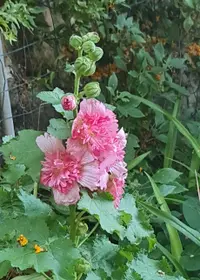
Best Soil for Hollyhock (Alcea rosea)

Alcea rosea grows best in soil with good structure, steady drainage, and a suitable pH to support strong root development.

Soil Texture

Sandy, Loamy, Clay

Soil pH

Slightly acidic (6.5–7.0), Neutral (7.0)

Soil Drainage

Moist but well-drained

Alcea rosea Soil Guide

Native to parts of Asia and naturalized widely elsewhere, Alcea rosea is often found in open, sunny ground where soil stays evenly moist but does not remain soggy. That background explains why Hollyhock soil should hold some moisture for steady growth while still allowing air to reach the roots.

A loose loam is often the best soil for Hollyhock, though it can also handle sandy or heavier clay-based ground if drainage is good. Its deep root system benefits from soil that is open enough for roots to travel downward, which helps support tall stems and improves access to moisture during warm weather.


A simple custom mix helps balance drainage and moisture for Alcea rosea, especially in containers or raised beds with inconsistent native soil.

100% total mix = 20 scoops
10%
perlite or pumice2 scoops
20%
coarse sand4 scoops
30%
compost6 scoops
40%
loam-based garden soil8 scoops

The finished blend should feel crumbly and slightly weighty, not sticky or dusty, and excess water should move through without leaving it soggy.

Hollyhock prefers slightly acidic to neutral soil, with a practical target of about 6.5–7.0 pH. In that range, key nutrients stay more available to the roots, which supports steady growth and normal leaf development.

It can handle a fairly small shift around neutral, but strongly acidic or strongly alkaline conditions may reduce how efficiently the plant takes up nutrients from the soil.

Soil conditions can sometimes contribute to weak growth or short-lived performance. For Hollyhock, the first step is usually checking how the root zone feels and drains.

Compacted soil:

Compacted soil: If the surface hardens and water lingers or runs off, gently loosen the top layer and work in structure-improving material near the root zone.

Waterlogged soil:

Waterlogged soil: Heavy, airless soil can keep roots stressed, so improve drainage first and avoid letting the planting area stay saturated after rain.

Dry, fast-fading soil:

Dry, fast-fading soil: If moisture disappears very quickly, add organic matter to help the soil hold water more evenly between soakings.

Crowded root zone:

Crowded root zone: Nearby roots or dense planting can limit access to moisture and nutrients, so clear some space around the base and reduce competition.

Match Plant to Soil

Botan helps compare your plant’s soil needs with your current setup, so it is easier to choose a better match.

FAQ

Usually yes. Loosen the planting area, break up dense clods, and mix in organic matter if the ground is very sandy or compacted, so roots can establish more evenly.

More Plant Soil Guides

Is Your Soil the Problem?

Botan can help assess visible issues from a photo and show whether soil is one possible factor to review more closely.

Botan app helping with soil and plant care
Planting Grass Seed in Summer – What Works and What Fails

7 min read · 6 Aug 2026

Planting Grass Seed in Summer – What Works and What Fails

Summer seeding succeeds when the grass type suits the season, and the soil stays moist. Find out how to prepare the seedbed and choose a safe window for planting.

Plant Care
Planting Grass Seed in Summer – What Works and What Fails
Is Sugar Water Good for Plants?

4 min read · 14 Sept 2026

Is Sugar Water Good for Plants?

Sugar water may sound like an easy boost, but most rooted plants do not need extra sucrose. This guide explains how green tissues produce carbohydrates, when a sweetened solution can be useful, and why too much can cause problems.

Plant Care
Is Sugar Water Good for Plants?
Top 15 Plants That Don’t Need Sunlight

8 min read · 17 Sept 2026

Top 15 Plants That Don’t Need Sunlight

Some plants thrive in dim rooms, shaded corners, and places with indirect light. In this guide, you’ll explore the top 15 species best suited to low-light conditions and how to care for them.

Plant Recommendations
Top 15 Plants That Don’t Need Sunlight