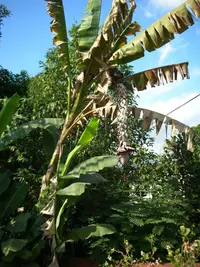






Best Soil for banana (Musa balbisiana)

Musa balbisiana grows best in loose, moisture-retentive soil with good drainage, which supports strong roots and steady overall growth.

Soil Texture

Loamy, Sandy, Organic-rich

Soil pH

Acidic (5.5–6.5), Slightly acidic (6.5–7.0)

Soil Drainage

Moist but well-drained

Musa balbisiana Soil Guide

Native to South and Southeast Asia, Musa balbisiana grows in warm, seasonally wet areas with loose, fertile ground. That background explains its preference for soil that stays evenly moist yet still drains well, so roots have steady access to both water and air.

Its large root system and underground corm support fast top growth, so the best soil for banana is loamy to sandy-loamy with plenty of organic matter. This texture holds moisture without becoming dense, while added air spaces help roots spread and reduce stagnant, soggy conditions.

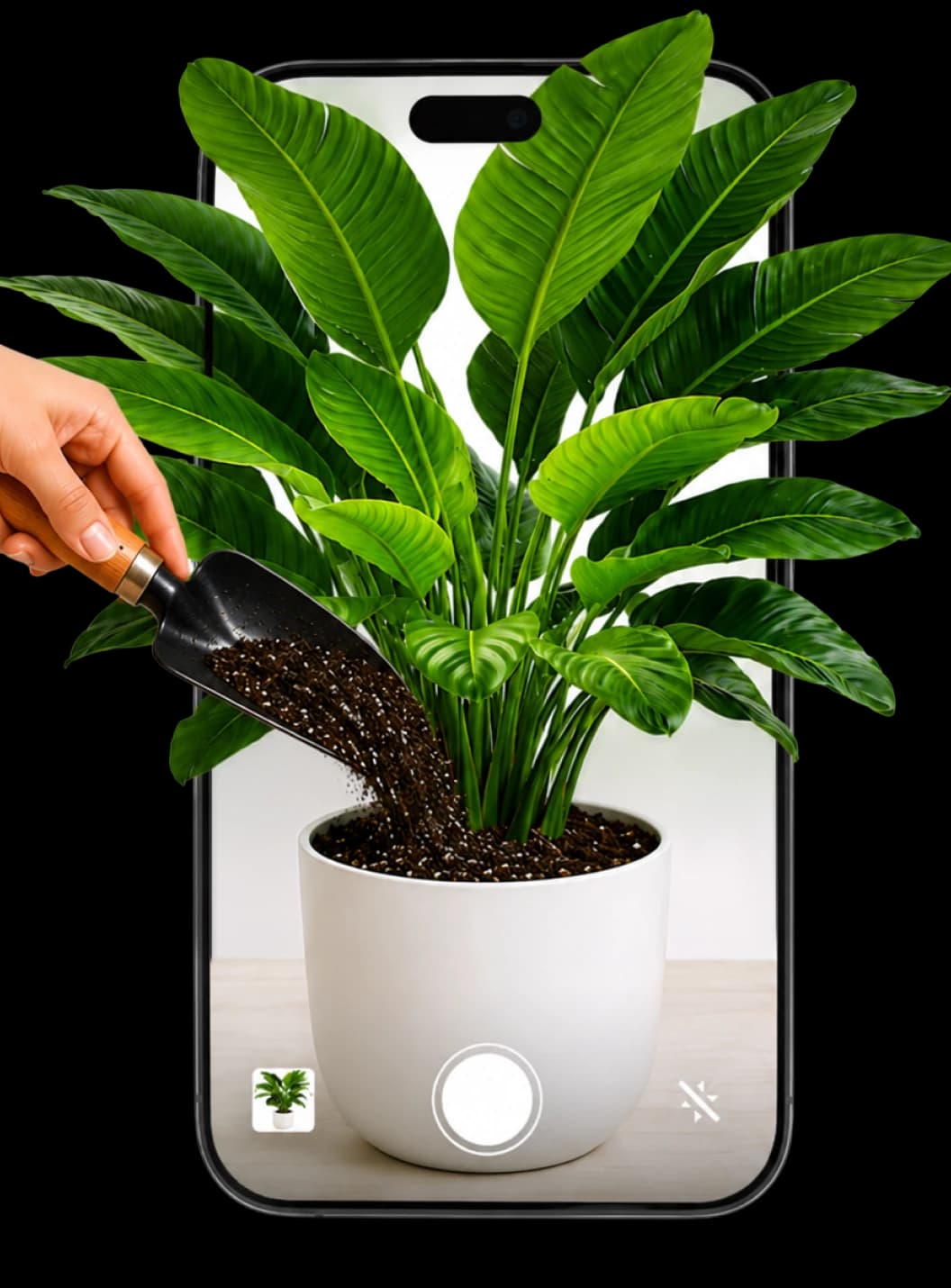
A homemade mix gives better control over texture and drainage than many standard bags. For Musa balbisiana, aim for a blend that stays open but not dry too fast.

100% total mix = 20 scoops
20%
perlite or pumice4 scoops
20%
coarse sand4 scoops
25%
compost or well-aged bark fines5 scoops
35%
high-quality potting soil7 scoops

The finished mix should feel crumbly, lightly springy, and easy to squeeze apart, with excess water moving through at a moderate pace.

A slightly acidic to acidic range of about 5.5–7.0 suits banana well, with 6.0–6.5 being a reliable target for most home growing situations.

Within that range, key nutrients stay more available to the roots, which supports steady growth and healthier leaf development. Musa balbisiana can handle mild variation, but strongly alkaline soil may gradually limit nutrient uptake.

Soil-related stress often develops gradually, so early checks are useful. Banana roots prefer stable conditions and can decline in stale or compacted media.

Compacted mix:

Compacted mix: if the surface hardens and water lingers or runs off unevenly, gently loosen the top layer and consider refreshing part of the potting medium.

Poor drainage:

Poor drainage: if the container stays heavy for long periods and the root zone seems airless, pause extra watering and confirm the drain holes are open.

Fast-drying soil:

Fast-drying soil: if moisture drops very quickly and the mix shrinks from the pot edge, re-wet it slowly and check whether the texture is too coarse.

Salt buildup:

Salt buildup: a pale crust on the surface can point to mineral accumulation, so scrape it off and flush the soil thoroughly once conditions allow.

Scan for Soil Tips

Botan helps match this plant to a more suitable soil setup by reviewing care details and guiding better potting decisions.

FAQ

Yes. A deeper pot gives the root system more room to spread downward and helps keep moisture more even from top to bottom, which supports a more stable banana soil environment.

More Plant Soil Guides

Soil Problem? Scan It.

Use Botan’s photo-based assessment to check whether soil conditions may be part of the issue and what to review next.

Botan app helping with soil and plant care
How Often to Water Fruit Trees

7 min read · 11 Aug 2026

How Often to Water Fruit Trees

Irrigation needs change as roots establish and weather shifts. This guide gives practical starting intervals, explains how soil and tree type change them, and shows how to recognize both excess moisture and drought stress.

Plant Care
How Often to Water Fruit Trees
How to Group Plants in Landscaping: A Practical Layout Guide

8 min read · 31 Aug 2026

How to Group Plants in Landscaping: A Practical Layout Guide

Good plant grouping can mean the difference between a well-planned garden and one that looks sloppy. This guide explores layers, spacing, cluster shapes, and the plants that thrive when you group them.

Plant Care
How to Group Plants in Landscaping: A Practical Layout Guide
How to Water Houseplants: Watering Guide

7 min read · 24 Aug 2026

How to Water Houseplants: Watering Guide

Learn how often to water indoor plants, key factors for proper watering, and how to adjust the care routine by plant type, season, pot size, light, and indoor conditions.

Plant Care
How to Water Houseplants: Watering Guide