





Best Soil for Never never plant (Ctenanthe oppenheimiana)

A loose, organic soil with steady moisture and good airflow helps Ctenanthe oppenheimiana maintain healthy roots and steady growth.

Soil Texture

Loamy, Peaty, Organic-rich

Soil pH

Acidic (5.5–6.5), Slightly acidic (6.5–7.0)

Soil Drainage

Moist but well-drained

Ctenanthe oppenheimiana Soil Guide

Native to Brazil, Ctenanthe oppenheimiana grows in warm, humid forest understories where the ground stays lightly moist and rich in decaying organic matter. That background explains its preference for loose, loamy, peaty soil that holds some moisture without becoming dense or stagnant.

Its roots stay fairly fine and benefit from steady air around them, so the best soil for Never never plant feels soft, open, and well-drained rather than compact. A slightly acidic to near-neutral substrate suits how this species takes up water and nutrients while supporting even moisture.

A simple custom blend can make moisture and airflow easier to balance for Ctenanthe oppenheimiana in typical indoor conditions.

100% total mix = 20 scoops
10%
fine orchid bark2 scoops
20%
perlite or pumice4 scoops
30%
high-quality potting soil6 scoops
40%
peat moss or coco coir8 scoops

The finished mix should feel springy and light, stay evenly damp, and drain freely without turning dense around the roots.

A slightly acidic to mildly acidic range of about 5.5–6.8 suits Never never plant well. In that range, key nutrients stay more available to the roots instead of becoming harder for the plant to absorb.

It can usually handle small shifts within that window, but strongly alkaline soil may reduce nutrient uptake over time. A near-slightly-acidic mix supports steadier overall growth and leaf quality.

This species can react quickly when the root zone stays airless or uneven for too long. Ctenanthe oppenheimiana usually does best when soil changes are checked early.

Compacted soil:

Compacted soil: If the surface hardens and water sits briefly before sinking, gently loosen only the top layer and plan to refresh the mix if it stays dense.

Soggy root zone:

Soggy root zone: Soil that stays heavy for many days can limit oxygen around the roots, so empty any standing runoff and review drainage right away.

Dry pockets:

Dry pockets: Peaty mixes can sometimes repel water when too dry, so re-wet the root zone slowly and evenly until the whole mix is moist again.

Surface buildup:

Surface buildup: A crust or pale residue may suggest mineral accumulation, so scrape off the top layer and replace it with fresh mix if needed.

Soil Help, Fast

Botan helps match this plant to a more suitable soil setup, so texture and drainage choices are easier to assess.

FAQ

Yes. Drainage holes help excess water leave the pot, which reduces the risk of stale, airless soil around the roots. They also make it easier to keep the best soil for Never never plant performing as intended.

Everything About Never never plant

More Plant Soil Guides

Could It Be the Soil?

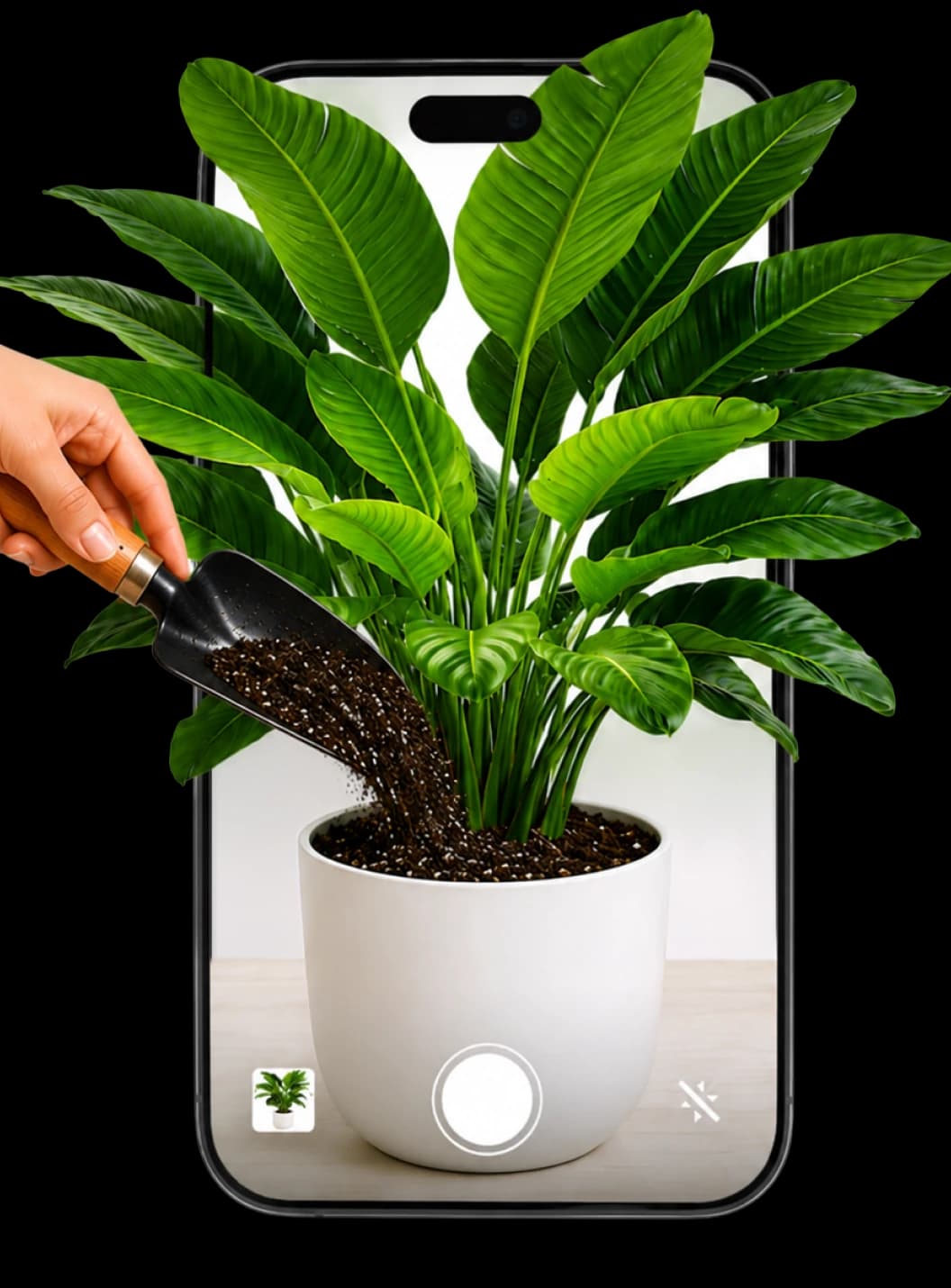
If growth looks off, soil may be one factor worth checking. Botan’s photo-based assessment can help point to likely care issues.

Botan app helping with soil and plant care
Frozen vs Fresh Vegetable Nutrients: Which Option Is Healthier?

6 min read · 8 Sept 2026

Frozen vs Fresh Vegetable Nutrients: Which Option Is Healthier?

Frozen and fresh vegetables are nutritionally comparable: frozen produce often retains vitamins just as well as fresh and may sometimes contain more. Here’s how blanching and storage affect nutrients—and when to choose each.

Plant Recommendations

Frozen vs Fresh Vegetable Nutrients: Which Option Is Healthier?
12 Best Landscaping Trees for Your Garden

8 min read · 6 Oct 2026

12 Best Landscaping Trees for Your Garden

Choosing the landscape tree depends on what your garden needs most. These 12 options include compact flowering specimens, colorful deciduous trees, shade varieties, and evergreens suitable for screening and year-round structure.

Plant Recommendations
12 Best Landscaping Trees for Your Garden
How Often to Water Fruit Trees

7 min read · 11 Aug 2026

How Often to Water Fruit Trees

Irrigation needs change as roots establish and weather shifts. This guide gives practical starting intervals, explains how soil and tree type change them, and shows how to recognize both excess moisture and drought stress.

Plant Care
How Often to Water Fruit Trees