


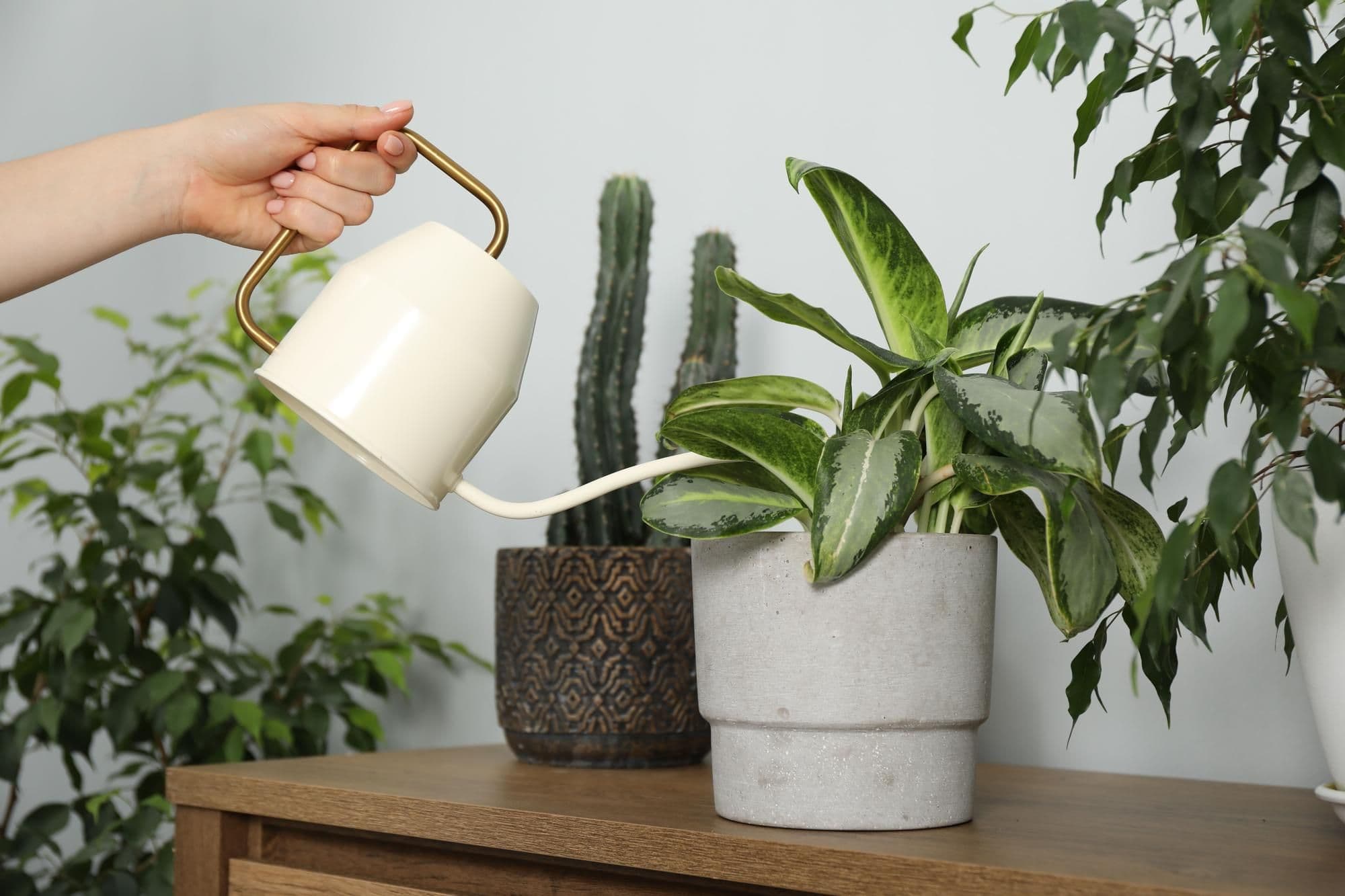
7 min read · 24 Aug 2026
How to Water Houseplants: Watering Guide
Learn how often to water indoor plants, key factors for proper watering, and how to adjust the care routine by plant type, season, pot size, light, and indoor conditions.
Plant Care

For healthy roots, Rhipsalidopsis gaertneri needs a loose, organic-rich mix that stays lightly moist without becoming dense or airless.

Soil Texture
Loamy, Peaty, Organic-rich

Soil pH
Acidic (5.5–6.5), Slightly acidic (6.5–7.0)

Soil Drainage
Moist but well-drained
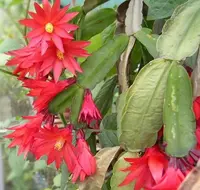
Native to the coastal mountains of southeastern Brazil, Rhipsalidopsis gaertneri grows in humid forest conditions rather than dry desert ground. In nature it often roots in pockets of leaf litter and decaying organic matter, where moisture is steady but excess water drains away quickly.
That habitat explains the best soil for Easter Cactus: loose, airy, organic-rich, and lightly acidic to neutral. Its fine roots prefer consistent moisture around them, but they also need oxygen, so the substrate should stay lightly damp without becoming dense or soggy.
A homemade mix can be tuned to the way Rhipsalidopsis gaertneri roots behave in containers. The goal is a blend that stays lightly moist but never dense.
The finished blend should feel springy, crumbly, and airy, with water moving through it evenly while a little moisture remains between particles.
A slightly acidic to acidic range of about 5.5–6.8 suits Easter Cactus well. Within that range, key nutrients stay more available, which supports steady root function and healthier overall growth.
It can usually handle small shifts around that target, but strongly alkaline soil may reduce nutrient uptake over time. A mildly acidic mix is the most reliable starting point.
This species can react poorly when the root zone stays stale or compacted for too long. Check the growing medium first if decline seems linked to root stress.
Compacted mix: soil that feels hard, shrinks from the pot edge, or drains unevenly can limit air flow, so gently loosen the top layer and replace badly collapsed material.
Staying wet too long: if the mix remains heavy for days, roots may be under stress, so improve drainage and confirm excess water can leave the container freely.
Old organic media: as Easter Cactus potting material ages, it can break down into finer particles, so refresh the mix when it becomes muddy or dense instead of fibrous.

Plant Soil Guide
Find the right soil mix for your plant and support healthier root growth
Botan helps match this plant to a soil profile that fits its root needs, so choosing a better mix becomes simpler.
Yes. Drainage holes help excess moisture leave the container, which lowers the risk of stale, oxygen-poor conditions around the roots and makes the best soil for Easter Cactus work as intended.
A photo check can help show whether root-zone conditions may be contributing to decline. Botan helps you look at soil as one possible factor.
7 min read · 24 Aug 2026
Learn how often to water indoor plants, key factors for proper watering, and how to adjust the care routine by plant type, season, pot size, light, and indoor conditions.
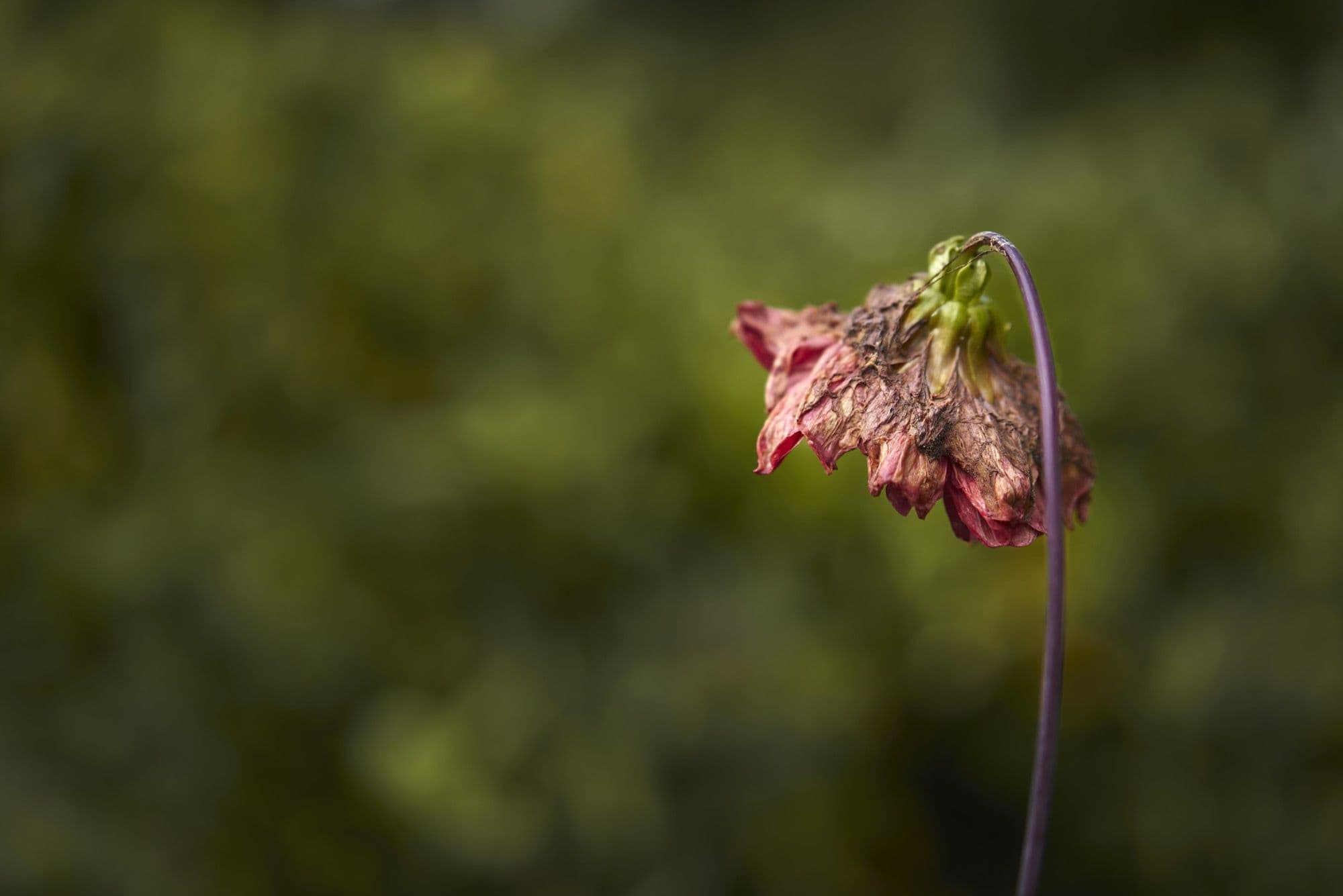
6 min read · 1 Sept 2026
Drooping leaves and brown tips don't always mean the end, and a weakened plant can often recover with a little help. These six simple steps will help you revive a dying plant and restore its health.
6 min read · 19 Aug 2026
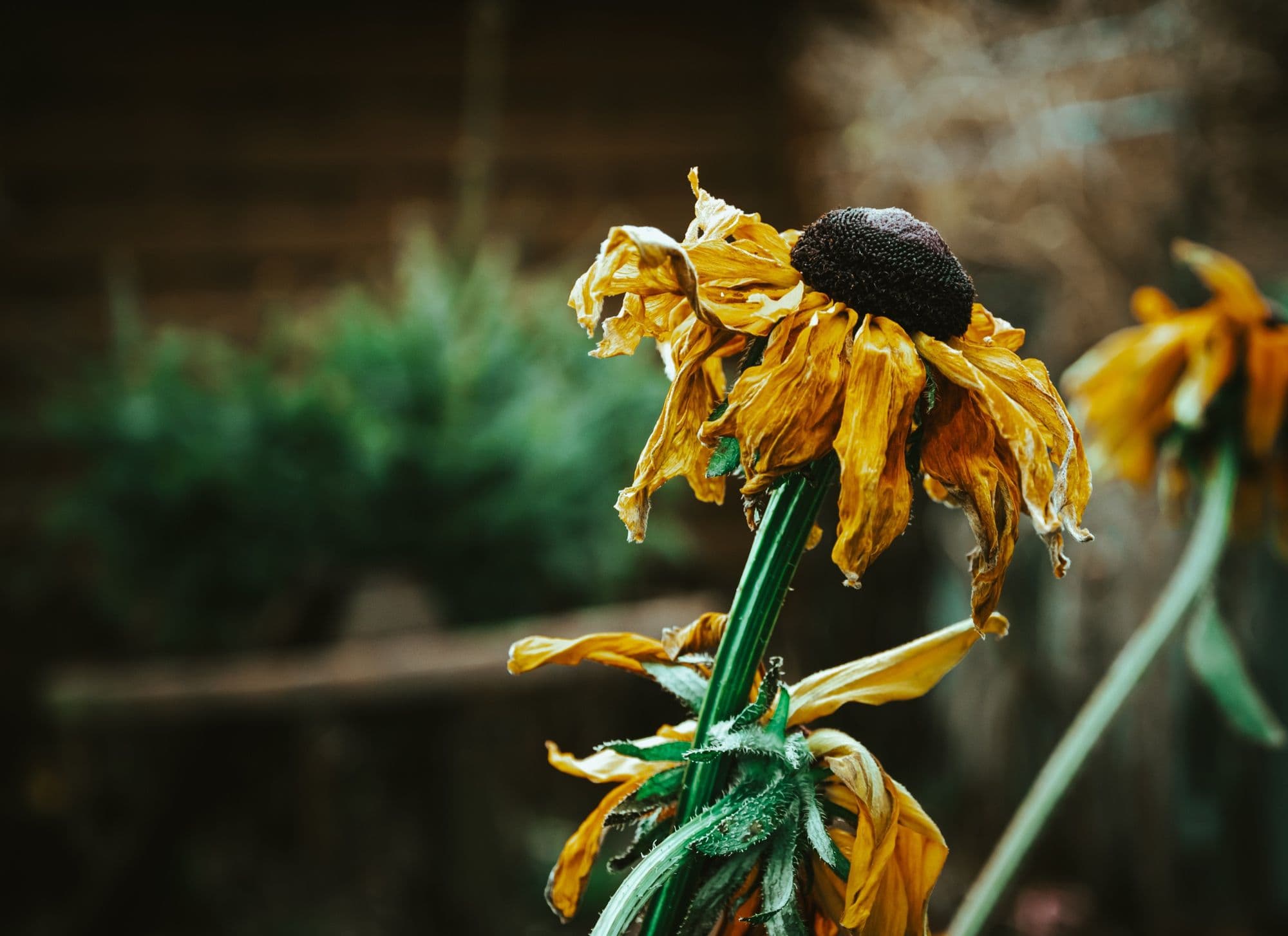
A plant can lose its leaves, stop growing, or collapse and still remain alive. A closer look at the stems, roots, bulbs, and tubers can show whether the plant still has a chance to recover.