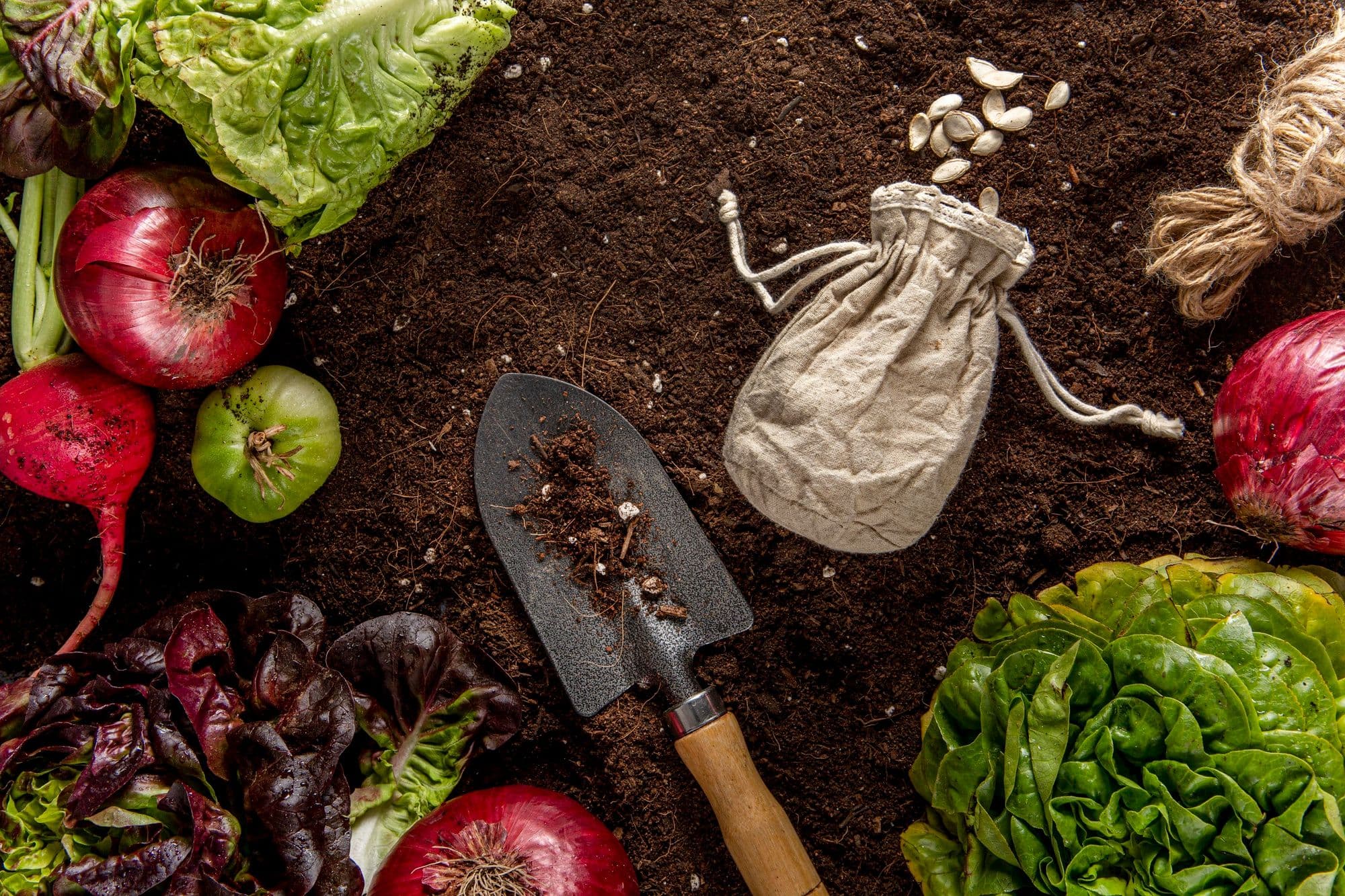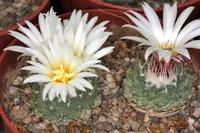



Best Soil for Cactus (Strombocactus disciformis)

A gritty, fast-draining mix helps Strombocactus disciformis maintain healthy roots by limiting trapped moisture around its compact root system.

Soil Texture

Sandy, Rocky, Loamy

Soil pH

Slightly acidic (6.5–7.0), Neutral (7.0)

Soil Drainage

Well-drained

Strombocactus disciformis Soil Guide

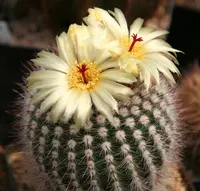
Native to central Mexico, Strombocactus disciformis grows in exposed, mineral ground with a sandy, rocky, loamy character. Its habitat sheds water quickly, so the roots are adapted to brief moisture followed by fast drying and plenty of air around them.

The best soil for Cactus is lean and sharply well-drained rather than rich or moisture-retentive. A gritty, open structure helps oxygen reach the roots and matches the plant’s slow, compact growth, while a slightly acidic to neutral reaction suits how it takes up nutrients in cultivation.

Mixing a custom blend gives Strombocactus disciformis a more reliable root environment than standard houseplant soil alone.

100% total mix = 20 scoops
10%
fine gravel or small lava rock2 scoops
20%
cactus potting soil4 scoops
30%
pumice or perlite6 scoops
40%
coarse sand or grit8 scoops

The finished blend should feel crumbly, lean, and stony, with water moving through quickly instead of lingering in the container.

A slightly acidic to neutral range, about 6.5–7.0, suits Strombocactus disciformis well. In that range, key nutrients stay more available without pushing the root zone too far toward acidity or alkalinity.

If the mix drifts much outside that window, nutrient uptake can become less efficient even when the soil itself seems suitable. This species generally handles minor variation better than sharp swings.

This species can be sensitive to stale, airless root conditions. Soil may be part of the problem when growth slows or the base stays damp too long.

Compacted mix:

Compacted mix: soil that settles hard and heavy can trap moisture and reduce airflow, so loosen the top layer gently and plan to refresh the mix.

Too much fine material:

Too much fine material: if the surface crusts or drains unevenly, excess dust-like particles may be clogging spaces, so sift future batches and replace the worst portion.

Organic mix staying wet:

Organic mix staying wet: if the pot feels damp for an unusually long time, the blend may hold too much moisture, so move to a leaner mineral-based medium.

Salt buildup:

Salt buildup: a pale crust on the surface can point to accumulated minerals, so scrape it away and monitor whether the problem returns after normal care.

Right Plant. Right Soil.

Botan helps match the right substrate style to this plant, so soil choices are based on its growth habit rather than guesswork.

FAQ

Yes. Drainage holes let excess water leave the container instead of collecting at the bottom, which helps keep the root zone more stable and makes a fast-draining Cactus soil mix work properly.

Everything About Cactus

More Plant Soil Guides

Wrong Soil? Check It.

If a plant looks off, soil could be one factor worth checking. Botan’s photo-based assessment can help narrow down likely causes.

Botan app helping with soil and plant care
What Plants Don't Like Epsom Salt?

11 min read · 29 Jul 2026

What Plants Don't Like Epsom Salt?

Learn which plants can be seriously damaged by Epsom salt and which will thrive on it. We’ll explain when and how to use it properly, provide tips for indoor & outdoor plants — read on and enjoy a healthy garden.

Plant Care
What Plants Don't Like Epsom Salt?
How Long Can Flowers Go Without Water? Everything You Need to Know

6 min read · 10 Jul 2026

How Long Can Flowers Go Without Water? Everything You Need to Know

Flowers can survive without water anywhere from 1-2 hours to several months, depending on the plant type, species, and growing conditions. Some strong-looking flowers are drought-sensitive, while delicate-looking plants may tolerate long dry periods surprisingly well.

Plant Care
How Long Can Flowers Go Without Water? Everything You Need to Know
Best Fertilizer for Vegetable Gardens – What to Use for Each Plant

11 min read · 20 Jul 2026

Best Fertilizer for Vegetable Gardens – What to Use for Each Plant

Here, you’ll find the right fertilizer formula for vegetables in your garden. Learn how to adjust feeding correctly throughout the growing cycle, spot nutrient deficiencies by their symptoms, and keep your plants healthy and prolific.

Plant Recommendations
Best Fertilizer for Vegetable Gardens – What to Use for Each Plant