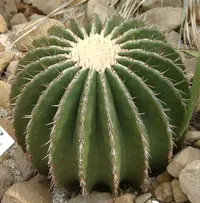



Best Soil for Cactus (Echinocactus platyacanthus)

Echinocactus platyacanthus grows best in gritty, fast-draining soil that keeps roots aired and supports steady, healthy growth.

Soil Texture

Sandy, Loamy, Rocky

Soil pH

Slightly acidic (6.5–7.0), Neutral (7.0)

Soil Drainage

Well-drained

Echinocactus platyacanthus Soil Guide

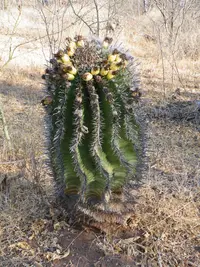
Native to central Mexico, Echinocactus platyacanthus grows in dry, open landscapes with sandy, loamy, and rocky ground. Those conditions explain why the best soil for Cactus is sharply draining and mineral-rich rather than dense or moisture-holding.

Its roots are adapted to take up brief moisture, then dry quickly with access to air. A loose, gritty substrate helps prevent stagnant moisture around the root zone, while a slightly acidic to neutral reaction suits steady nutrient uptake without demanding rich organic soil.

A simple homemade mix gives Echinocactus platyacanthus the balance of airflow, structure, and modest moisture retention it needs in a container.

100% total mix = 20 scoops
10%
small gravel or lava rock2 scoops
20%
cactus potting soil4 scoops
30%
pumice or perlite6 scoops
40%
coarse sand or grit8 scoops

The finished blend should feel coarse and crumbly, not spongy, and water should pass through it quickly while leaving slight, even moisture behind.

A slightly acidic to neutral range of about 6.5–7.0 suits Cactus well. In that window, key nutrients stay available without pushing the root zone too far acidic or alkaline.

Echinocactus platyacanthus is not especially demanding, but staying close to neutral supports steadier nutrient uptake over time. A pH far outside this range can make some nutrients harder for roots to access, even when they are present in the soil.

This species is especially sensitive to long periods of stale, wet root conditions. Several common soil issues can contribute, so it helps to check the root zone carefully.

Compacted mix:

Compacted mix: Soil that dries very slowly or feels hard and airless can limit root function, so gently loosen the surface and plan to replace the mix if needed.

Poor drainage:

Poor drainage: Water lingering in the container after soaking often points to a drainage problem, so check the pot base and confirm excess water can exit freely.

Excess salt buildup:

Excess salt buildup: A pale crust on the soil surface may signal mineral accumulation, so scrape off the top layer and monitor future watering residue.

Organic mix staying wet:

Organic mix staying wet: If Cactus is sitting in a heavy, peat-rich medium, start by moving it to a drier spot and preparing a more open substrate.

Scan. Match. Grow.

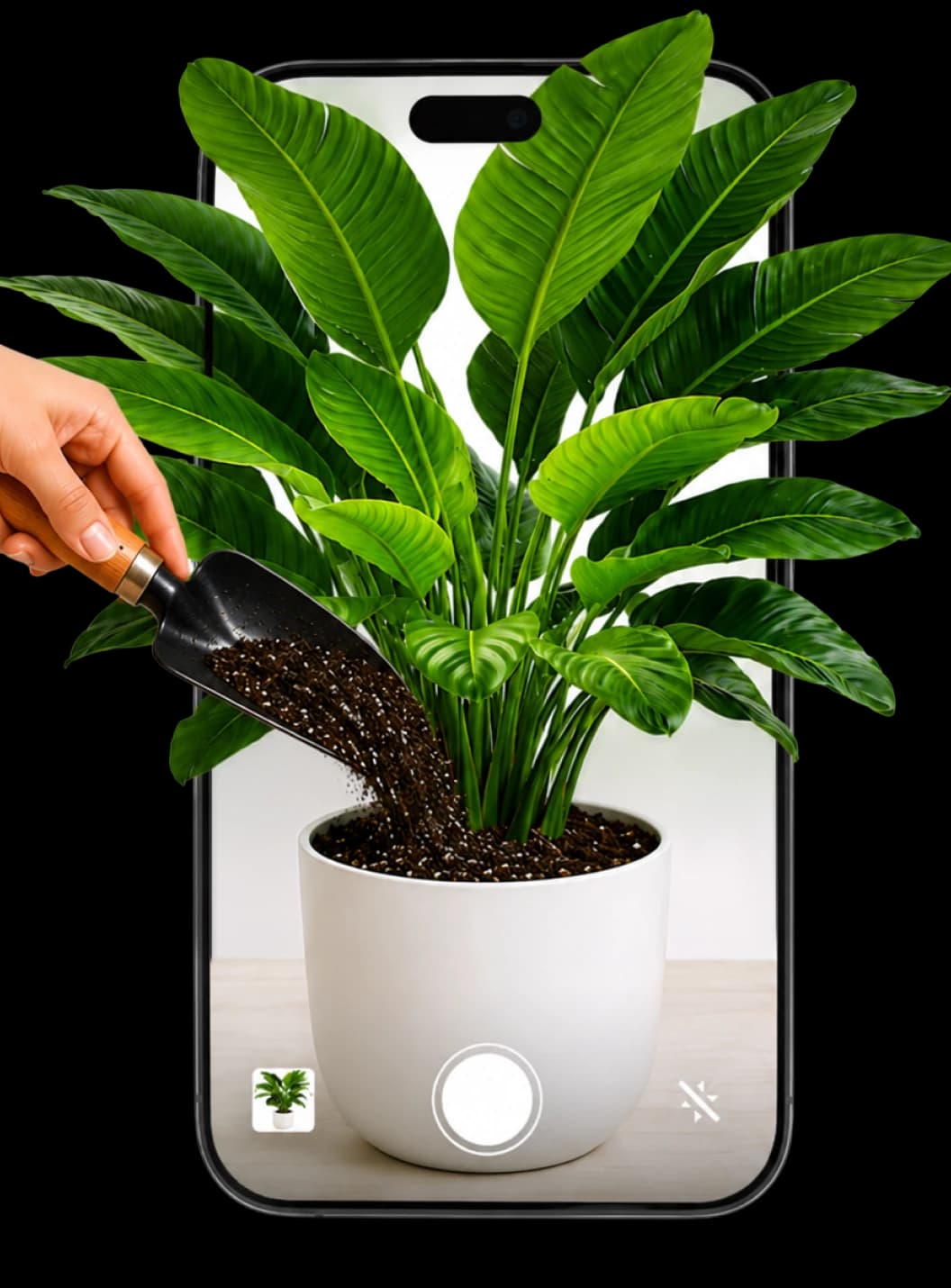
Botan helps identify the plant and match it with a soil profile that better supports healthy roots and container growing.

FAQ

Yes. A pot that is much deeper than the root system can leave unused soil holding moisture too long. Choose a depth that fits the roots with a little room below and around them.

More Plant Soil Guides

Scan for Soil Problems

Use Botan’s photo check to see whether soil conditions may be part of the problem and what to review next.

Botan app helping with soil and plant care
How to Mist Plants – Proper Technique and Common Mistakes

7 min read · 30 Jul 2026

How to Mist Plants – Proper Technique and Common Mistakes

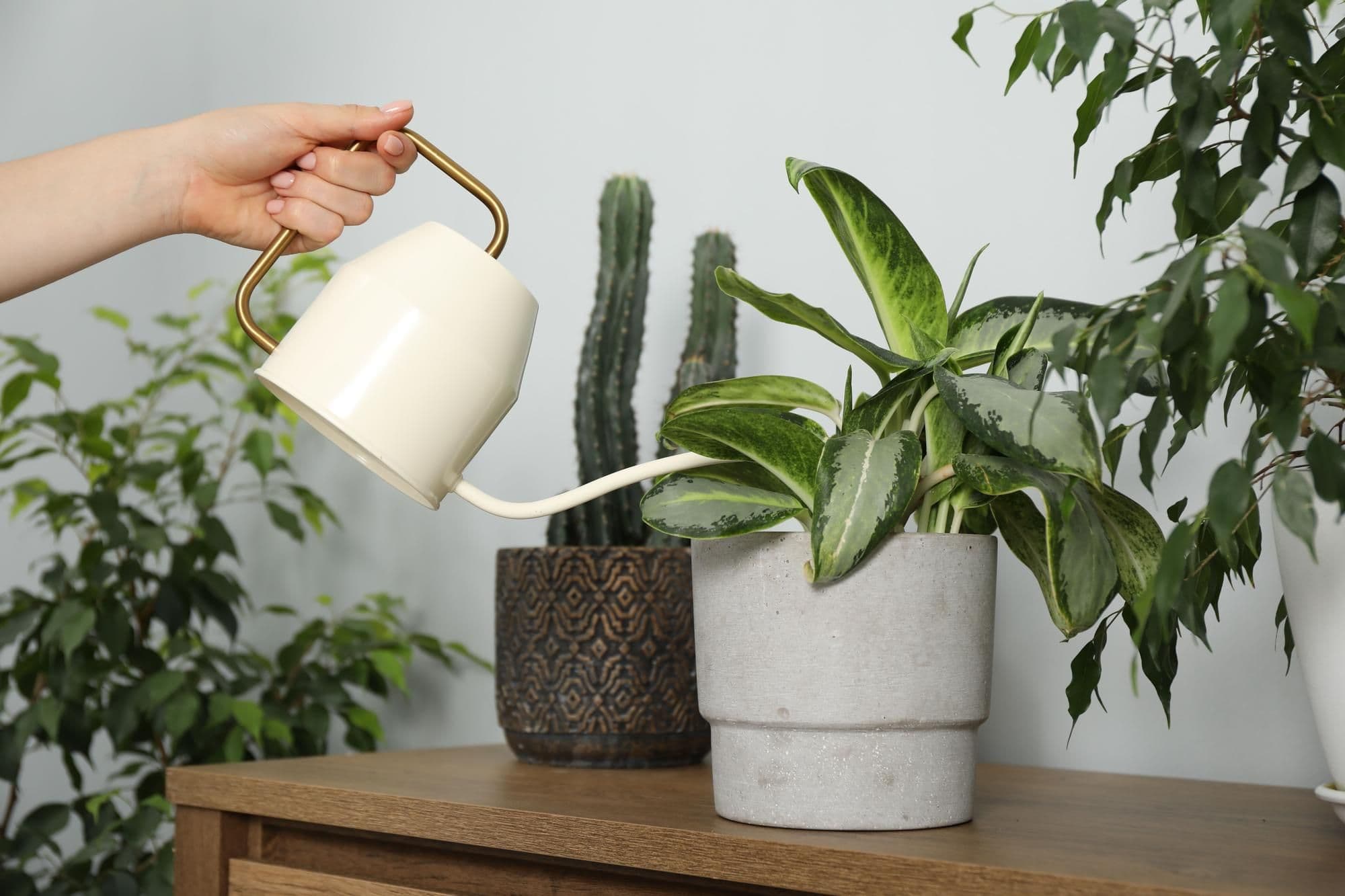
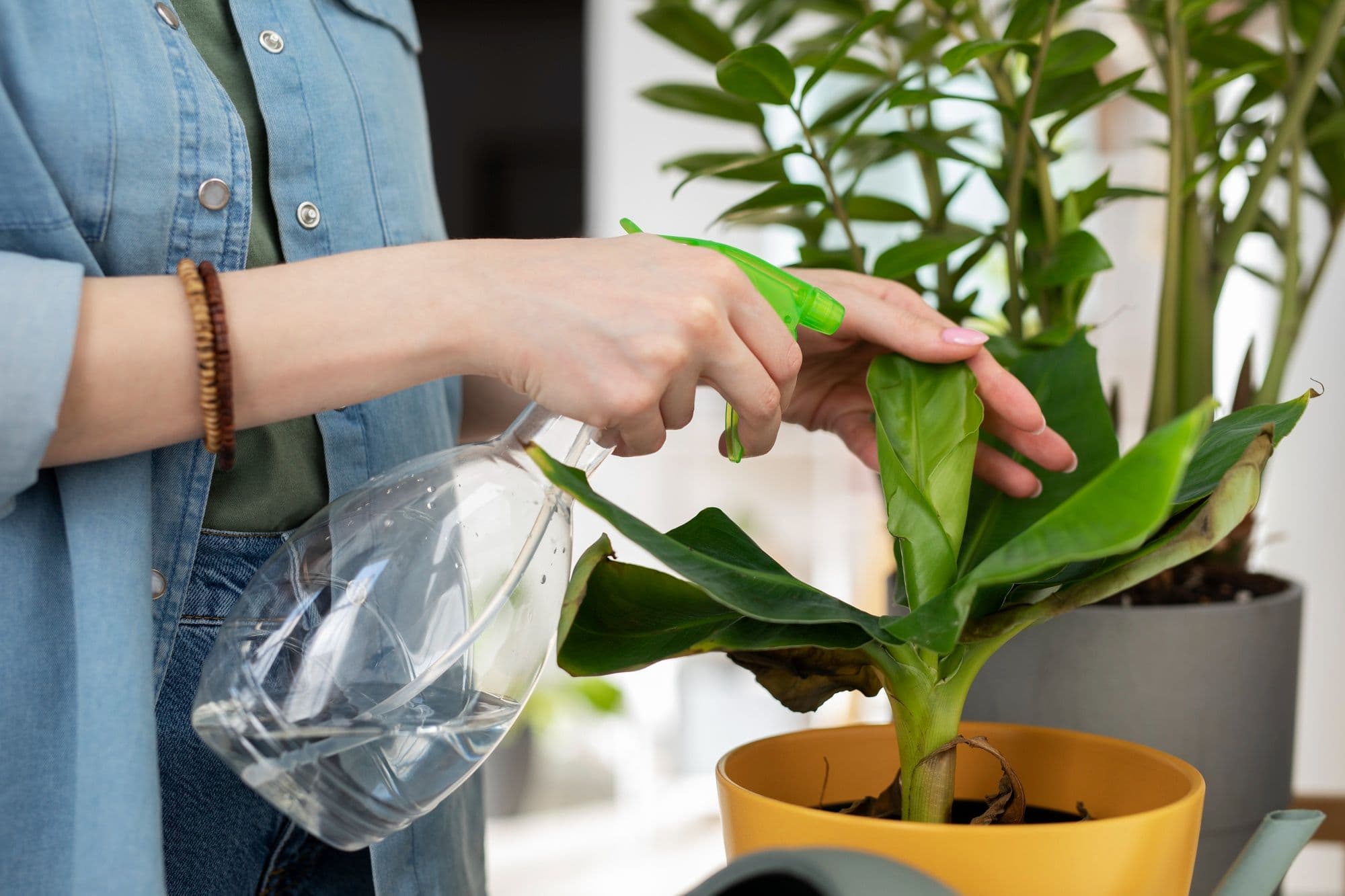
Find out when misting works well and when to avoid it. Here, you’ll find detailed information about compatible and incompatible species, tips on how often to mist plants and do it correctly, and some great alternatives for raising humidity.

Beginner Guides
How to Mist Plants – Proper Technique and Common Mistakes
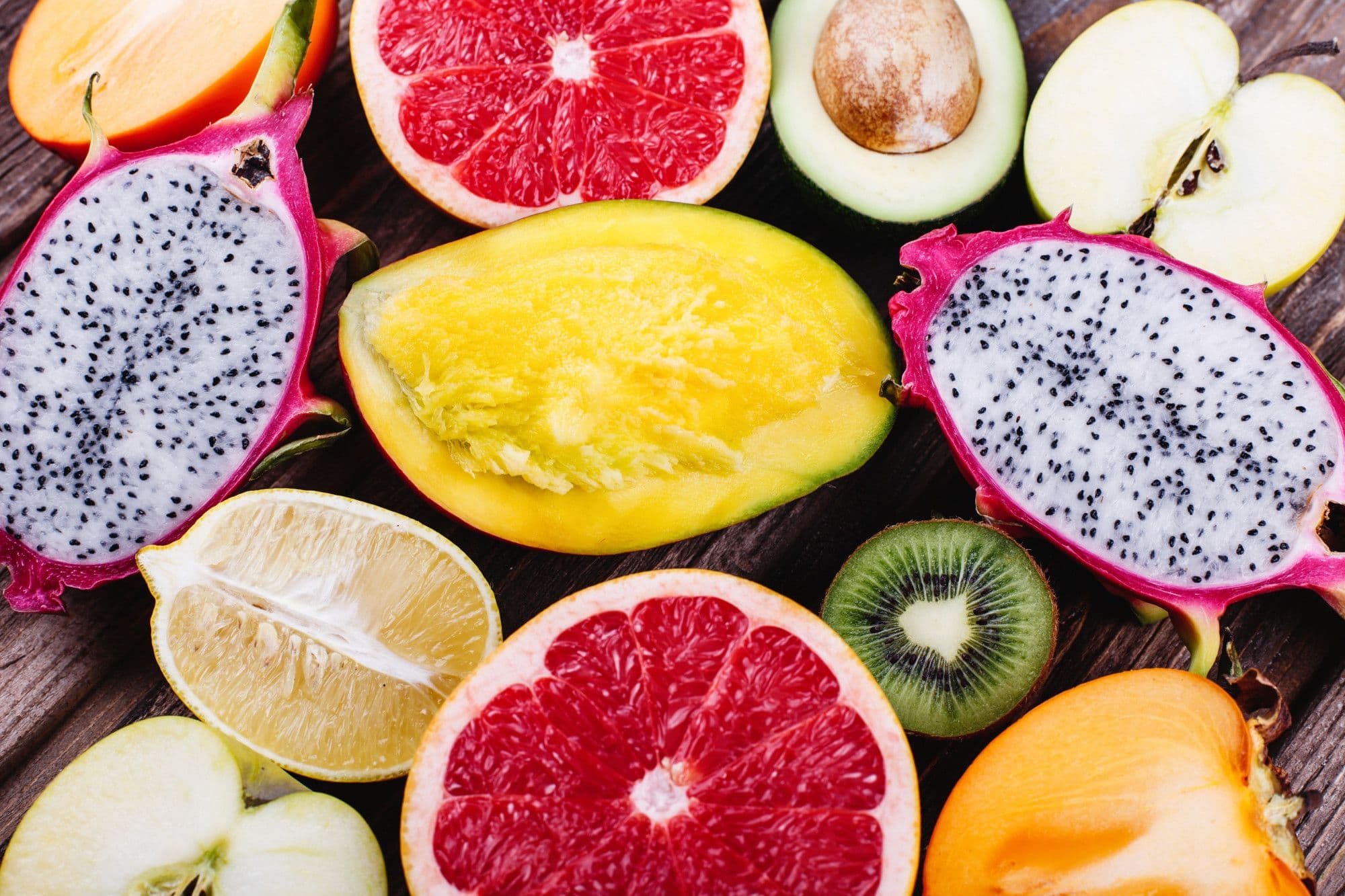
20 Most Popular Fruits Around the World

7 min read · 22 Jul 2026

20 Most Popular Fruits Around the World

Curious which fruits the world actually eats the most? Here's the top-20 by production volume, an overview of what people choose in each region, and a few figures that defy common assumptions.

Plant Recommendations
20 Most Popular Fruits Around the World
How to Water Houseplants: Watering Guide

7 min read · 24 Aug 2026

How to Water Houseplants: Watering Guide

Learn how often to water indoor plants, key factors for proper watering, and how to adjust the care routine by plant type, season, pot size, light, and indoor conditions.

Plant Care
How to Water Houseplants: Watering Guide