
Cactus Identification (Echinocactus platyacanthus)

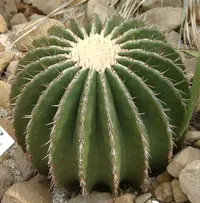
Recognize Echinocactus platyacanthus by its solitary, barrel-shaped stem, usually broader than tall, with many deep vertical ribs and heavy clusters of stout spines along each rib.

At first glance, look for the broad woolly crown at the top and a massive body that can reach several feet across with no branches or pads.

Echinocactus platyacanthus Identification

Identify Your Plant with Botan

Check your plant ID by uploading a clear photo to Botan.

Clear images work best. Avoid photos taken too close or too far away

Check the body shape, ribs, and spine pattern of Echinocactus platyacanthus.

  • Usually a single, stout barrel-shaped stem, broader than tall at first, later becoming very large and rounded.
  • The stem has many strong vertical ribs, commonly about 21-24, with deep grooves between them.
  • Each areole sits along the rib tops and carries a dense cluster of stout, flattened spines.
  • A woolly patch covers the crown, where yellow flowers appear in a ring near the top.

Count ribs and check for the woolly crown to confirm the match.

Echinocactus platyacanthus shows distinct shape, rib, spine, and crown changes as it ages.

  • Seedling: Seedlings are small and rounded, with few weak ribs and fine spines; the body stays low to the soil and lacks a woolly crown.
  • Juvenile plant: Juvenile plants become more barrel-shaped, with stronger vertical ribs and thicker spines. The apex remains plain, without the dense wool seen later.
  • Mature plant: Mature plants are massive barrels, often several feet tall, with broad ribs, heavy spines, and a conspicuous woolly crown at the top.
  • Flowering stage: At flowering stage, blooms appear in a ring from the woolly crown, showing yellow petals above the stem rather than along the ribs.

Echinocactus platyacanthus shows its clearest seasonal identification change when it flowers. In late spring to summer, a ring of yellow blooms appears at the woolly crown, making the broad, heavily ribbed barrel easier to confirm. After flowering, dry, woolly fruits may remain nestled at the crown for a time. Outside the flowering period, the plant usually keeps the same overall look year-round.

A few large barrel cacti are regularly mistaken for Echinocactus platyacanthus.

golden barrel cactus(Kroenleinia grusonii)

Both are round, heavily ribbed barrels. Golden barrel stays smaller, usually under 3 feet (0.9 m), and has dense yellow spines; E. platyacanthus becomes much larger and often has grayer, less uniformly golden spines.

Ferocactus pilosus(Mexican lime cactus)

Young plants can share the same stout barrel shape. Ferocactus pilosus usually shows many reddish spines and often elongates into a short column with age, while E. platyacanthus is broader, with fewer-looking, thicker ribs and a more massive barrel form.

Echinocactus platyacanthus is native to central and northeastern Mexico, especially the Chihuahuan Desert region. It is found in states including Hidalgo, Querétaro, San Luis Potosí, and Zacatecas. It typically grows on dry limestone slopes, rocky flats, and scrubby desert vegetation, often around 3,900 to 7,200 feet (1,200 to 2,200 m). That habitat helps narrow identification because this species is associated with inland, arid, calcareous landscapes rather than coastal or tropical settings.

  • Sharp spines: The main safety issue is mechanical injury. Echinocactus platyacanthus has stout spines on the stem that can puncture skin on contact, affecting both humans and pets.
  • Handling and placement: Risk comes from skin contact rather than ingestion. This large barrel cactus can injure hands, legs, or noses if placed in tight walkways or within reach of children or curious pets.

Scan. Check. Confirm.

Use Botan to identify or verify your plant from a photo so you can label it correctly and avoid mix-ups.

FAQ

Yes. Mature plants form woolly, felted fruits at the crown after flowering. Those crown fruits support Echinocactus platyacanthus identification, especially with the broad ribbed stem and heavy spines, but they may be absent on younger or nonflowering specimens.

Everything About Cactus

More Plant Identification Guides

Identify First. Learn What Comes Next.

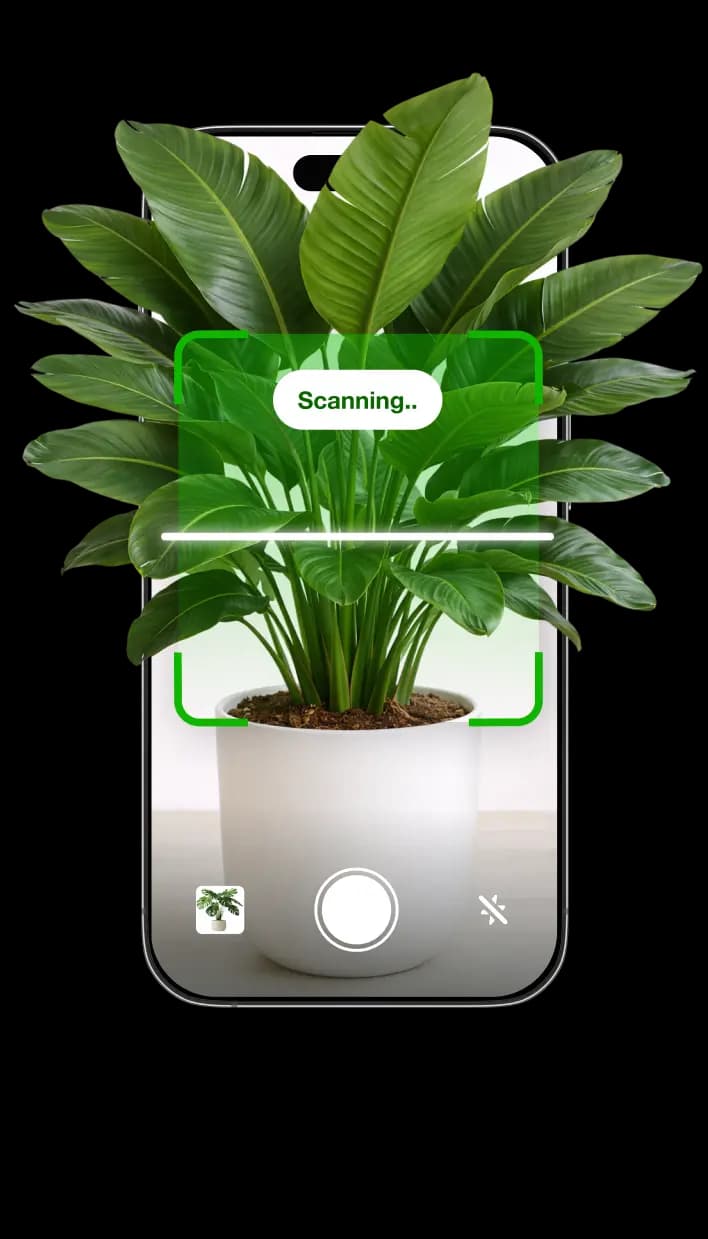
Use Botan to identify a plant from a photo, then see species-specific care information, safety notes, and common problems.

Botan app identifying a plant from a photo
What Do Plants Need to Grow – 5 Things Every Greenery Can't Live Without

8 min read · 31 Jul 2026

What Do Plants Need to Grow – 5 Things Every Greenery Can't Live Without

To keep plants healthy and thriving, provide the right balance of light, humidity, nutrients, airflow, and quality soil. This guide covers the essentials of year-round plant care.

Beginner Guides
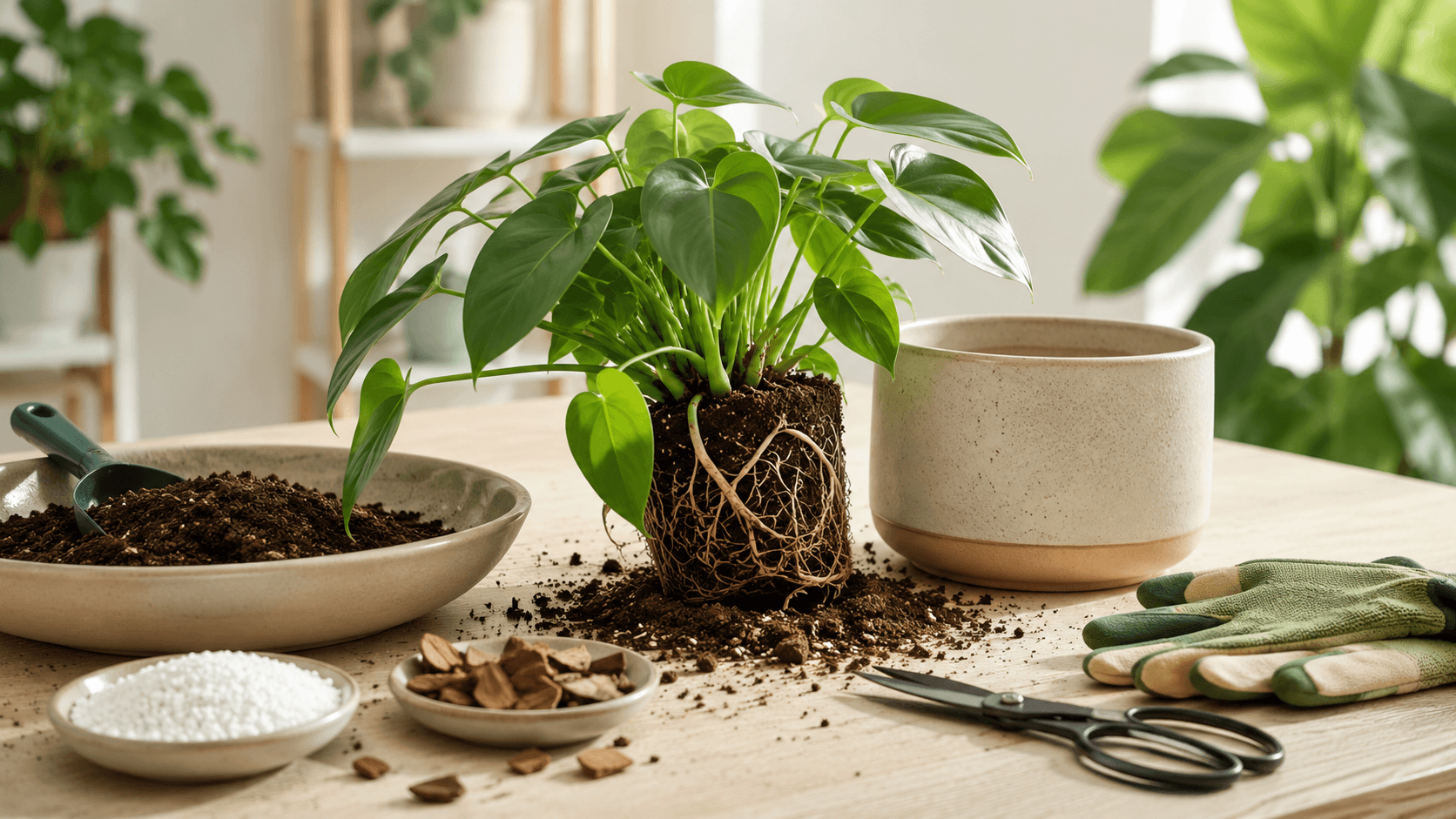
What Do Plants Need to Grow – 5 Things Every Greenery Can't Live Without
How to Repot a Plant: A Step-by-Step Guide

7 min read · 28 May 2026

How to Repot a Plant: A Step-by-Step Guide

In spring, many plants need repotting—an essential part of care. To avoid stress, consider the plant’s type and size. This article offers a step-by-step guide for repotting indoors or outdoors and shows how to check plant health and get care tips using the Botan app.

Plant Care
How to Repot a Plant: A Step-by-Step Guide
12 Best Plants That Repel Spiders For Your Home and Garden

8 min read · 24 Jul 2026

12 Best Plants That Repel Spiders For Your Home and Garden

Spiders constantly appear in places you don't want them. A few common plants can help repel them using scent alone. Here are 12 options suitable for both indoors and outdoors, plus care tips for each.

Plant Recommendations
12 Best Plants That Repel Spiders For Your Home and Garden