Cactus Care (Echinocactus platyacanthus)

Also known as: Candy Barrel Cactus
Cactus

About Cactus

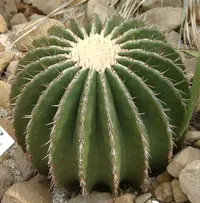
Echinocactus platyacanthus, often called giant barrel cactus, is a slow-growing, long-lived desert cactus with a heavy, rounded body and strong, hooked spines. Mature plants form large ribbed spheres that can eventually reach impressive size and age.

This species is native to arid regions of central and northern Mexico, where it grows in rocky, well-drained soils under intense sun. Its thick skin, dense spines, and water-storing tissues make it very drought tolerant but sensitive to overwatering.

For those who want to learn how to care for Cactus, this species generally prefers bright light, minimal watering, and a gritty, fast-draining substrate. Its slow growth and tough structure make it relatively easy, provided excess moisture is avoided.

Main Plant Requirements

Care Difficulty

Moderate Care

Light Preference

Full Sun

Water Requirements

Low Water

Temperature Preference

Tropical / Frost Sensitive

Hardiness Zone

9–11

Soil Texture

Sandy, Loamy, Rocky

Soil pH

Slightly acidic (6.5–7.0), Neutral (7.0)

Soil Drainage

Well-drained

Fertilization

Minimal (feed rarely)

Get Personalized Care Plan

Scan your plant to receive care tips personalized for your specific plant

Available on iOS and Android

How to Care for the Cactus

This species prefers strong, consistent sunlight similar to its native desert habitat.

  • Provide 6–8 hours of direct sun daily; in very hot regions, give morning sun with light afternoon shade to prevent scorching of the ribs.
  • Young plants tolerate light partial shade, but prolonged low light causes pale color, slow growth, and elongated, weak stems.
  • Introduce full sun gradually after purchase or after cloudy periods to avoid sudden sunburn, shown by bleached or brown patches on the skin.

Watering must stay conservative to match this cactus’s slow growth and desert origin.

  • In the growing season, water only when the top 3–5 cm of soil are completely dry, then soak thoroughly and let excess drain away.
  • From late fall to winter, keep almost dry, watering lightly once soil is fully dry to reduce rot risk as temperatures and light drop.
  • Yellowing, soft tissue or a sour smell indicates overwatering, while deep wrinkling and very light weight signal the need for careful rewatering of Echinocactus platyacanthus.

Stable warmth supports healthy growth and spine development for this desert cactus.

  • Aim for 70–90°F (21–32°C) during active growth; short peaks up to 100°F (38°C) are tolerated if soil is dry and airflow is good.
  • Protect from frost; long exposure below 40°F (4°C) damages tissue, and hard frost near 32°F (0°C) can kill the plant, especially in wet soil.
  • Provide a cool, dry rest in winter around 50–60°F (10–16°C), which supports stronger growth when temperatures and light increase again.

This desert species tolerates low indoor humidity and rarely needs special humidity management.

  • Ideal humidity is 20–40% to mimic arid native conditions.
  • Cactus handles very dry air but may scar or spot if combined with prolonged cold or overwatering.
  • If air is extremely dry and hot, increase humidity slightly by grouping plants, but avoid misting to prevent fungal issues.

This cactus needs a very fast-draining, mineral-rich substrate to prevent root rot.

  • Use a gritty mix of about 60–70% mineral material such as pumice, coarse sand, or fine gravel, with 30–40% inorganic cactus substrate or low-organic potting mix.
  • Aim for a loose, open texture where water runs through in seconds and the pot feels lighter soon after watering.
  • Keep pH slightly acidic to neutral, around 6.0–7.2, avoiding strongly alkaline mixes that can limit nutrient uptake.
  • Avoid peat-heavy, compact, or water-retentive soils; improve any dense mix with extra pumice or coarse sand to increase aeration and drainage for Echinocactus platyacanthus.

This slow-growing cactus is well suited to container culture when the pot is chosen for drainage and stability.

  • Select a wide, heavy container to counterbalance the plant’s spherical, top-heavy form and reduce tipping risk outdoors.
  • Choose unglazed terracotta if faster moisture loss is needed in humid or cool climates, and denser materials if drying is too rapid.
  • Leave a small gap between stem and pot wall with only a thin soil layer to limit moisture accumulation and reduce rot risk at the base.

Echinocactus platyacanthus needs modest feeding to support slow, steady growth in containers.

  • Use a balanced cactus fertilizer or diluted 10-10-10 liquid feed at 1/4–1/2 strength to avoid salt buildup.
  • Apply every 4–6 weeks during the warm growing season when light is strong and the plant is actively growing.
  • Do not fertilize in winter dormancy; allow cooler, drier rest with no added nutrients.
  • Avoid compost-heavy mixes or strong organic fertilizers that stay wet and can damage roots.

Echinocactus platyacanthus requires almost no structural pruning, only occasional hygiene care.

  • Best timing is late spring to summer when growth is active and wounds dry faster.
  • Remove only dead, diseased, or rotting tissue using clean, sharp knives or pruning blades.
  • Lift dried flower remains or fruit gently if they trap moisture against the crown.
  • Minimal removal maintains the plant’s natural spherical form and lowers infection risk.

This cactus grows slowly and dislikes frequent disturbance, so repot or transplant only when clearly necessary.

  • Check for roots circling the pot, pushing through drainage holes, or water running straight through as signs it needs more space.
  • Plan repotting in late spring to early summer, about every 4–6 years for container plants.
  • Use a dry, fast-draining cactus mix and a pot just 2–5 cm wider to limit excess moisture around roots.
  • Keep roots as intact as possible, let any damaged areas callus 1–2 days, then water lightly after 5–7 days to reduce stress.

Echinocactus platyacanthus is usually propagated from seed, which is slow but reliable under controlled conditions.

  • Sow fresh seed in late spring to early summer in a sterile, gritty cactus mix with very fine texture.
  • Press seed onto the surface and cover lightly with sand or fine grit to anchor while allowing light penetration.
  • Maintain 70–80°F, bright shade, and consistently slight moisture with high humidity using a vented cover.
  • Expect slow, uneven germination; gradually increase airflow and light as seedlings develop to prevent damping-off.

This species prefers cool, dry winters and needs protection from prolonged freezing, especially in containers.

  • Maintain temperatures around 45–55°F indoors or in a cold greenhouse with plenty of light.
  • Keep soil almost completely dry in winter; water only enough to prevent severe shriveling.
  • Move potted plants under cover before nights drop consistently below 40°F, ensuring good air circulation.
  • In mild climates, use a deep gravel mulch to insulate the root zone and keep the base dry.

Care Tips

Rotate For Symmetry

Turn the pot 90° every 3–4 weeks during the growing season so the crown receives even light and the plant develops a balanced, spherical form rather than leaning toward the brightest side.

Protect From Overhead Rain

If grown outdoors, place the container under a slight overhang or use a simple cold frame roof to keep heavy, prolonged rain from saturating the crown and causing rot around the growth point.

Use Top Dressing

Apply a 1–2 cm layer of coarse gravel or pumice around the base to keep the neck of the stem dry, reduce algae and moss, and stabilize the plant in its pot as it gains weight.

Gradual Sun Acclimation

When moving from indoor light or winter storage to stronger spring or summer sun, increase exposure over 10–14 days to prevent sun scald, starting with bright shade and adding 1–2 hours of direct sun every few days.

Long-Term Pot Planning

Choose a wide, heavy, low-profile container with drainage holes so the expanding taproot and heavy body remain stable for many years, reducing the need for stressful repotting and supporting healthy Echinocactus platyacanthus plant care.

Everything About Cactus

Common Pests and Diseases

Mealybugs

This pest feeds on cactus tissues and hides in ribs and woolly areoles, causing yellowing, shriveling, and sticky honeydew that can lead to sooty mold. Infestations often start in sheltered crown areas and along the base of spines.

Solution

Remove visible insects with a cotton swab dipped in 70% isopropyl alcohol and repeat weekly until no new clusters appear. Improve light and airflow, isolate the plant, and for heavier infestations use a systemic insecticide labeled for cacti, following the product label carefully.

Red spider mites

These insects are tiny sap-feeding arachnids that thrive in hot, dry conditions and cause a dull, rough, bronzed surface on the ribs of the cactus. Fine webbing may appear between spines and around areoles under severe infestation.

Solution

Rinse the plant thoroughly with a strong but controlled stream of water, focusing on rib creases and areoles. Increase ambient humidity slightly, improve air circulation, and if symptoms persist apply a targeted miticide or insecticidal soap approved for succulents, treating all nearby cacti at the same time.

Scale insects

This pest appears as hard, dome-shaped brown or gray bumps on ribs and around areoles, firmly attached to the epidermis. Sap feeding leads to slow decline, patchy yellowing, and sometimes honeydew and sooty mold.

Solution

Gently scrape off individual scales with a soft brush or wooden stick and wipe affected areas with 70% isopropyl alcohol. For larger populations, apply a systemic insecticide drench suitable for cacti and repeat according to label intervals while monitoring for reinfestation.

Corky scab

This disease produces rough, brown, cork-like patches on the lower ribs where the epidermis has been stressed by strong sun, mechanical damage, or repeated minor dehydration. Symptoms include permanent scar tissue that does not spread rapidly once conditions improve.

Solution

Protect the plant from abrupt changes in sun exposure by providing bright, filtered light and avoid frequent minor underwatering–overwatering cycles. Remove only severely disfigured tissue if it becomes infected secondarily, and focus on stable growing conditions to prevent new lesions while continuing normal Echinocactus platyacanthus plant care.

Bacterial soft rot

This disease causes rapidly spreading, soft, foul-smelling, water-soaked areas in the stem, often starting from an injury or water-sitting point on the crown. Symptoms include tissue collapse and discoloration from green to dark brown or black.

Solution

Cut out all affected soft tissue with a sterile knife, making sure to reach firm, healthy tissue, then allow the wound to dry and callus in a warm, airy place. Discard severely affected plants, sterilize tools, keep water off the crown and wounds, and ensure the substrate drains very quickly to reduce future infections.

Interesting Facts

Massive barrel size

This species can form one of the largest barrel-shaped stems of any cactus, with mature plants in habitat often exceeding 1 m in diameter and developing heavy, thick ribs with robust spines.

Sweet acitrón pulp

The inner tissue has been traditionally candied as acitrón in Mexico, a practice that has contributed to population decline and led to legal protection and conservation concern for wild plants.

Highland semi-arid specialist

It is naturally restricted to semi-arid highlands of central and northern Mexico, where it grows on rocky, limestone-rich soils and tolerates strong sun and high temperature variation between day and night.

Botan icon

Did you know?

Very old individuals of this species can be several centuries old, growing extremely slowly and forming almost spherical, massive green domes that can outlive multiple human generations in undisturbed habitat.

FAQs about Cactus

This species grows very slowly, often less than 1–2 cm per year in cultivation. It can take many years to form a noticeable barrel shape, and several decades to approach its larger mature dimensions.

Grow Healthy Plants with Botan Care

Keep your plants happy and healthy with plant identification, disease detection, and easy care guidance.


Botan plant care app — identify plants on mobile

Explore More Plants