Cowslip Care (Primula veris)

Cowslip

About Cowslip

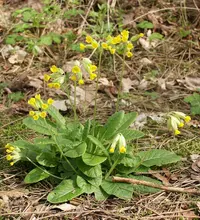
Cowslip, Primula veris, is a low-growing perennial wildflower, best known for its clusters of drooping yellow, fragrant blooms held above rosettes of crinkled leaves. It forms compact clumps and spreads slowly, creating soft patches in meadows, open woodlands, and grassy banks.

This species is native to Europe and parts of western Asia, where it thrives in cool, temperate climates. It prefers moist, well-drained soil and light ranging from full sun to partial shade.

Primula veris is moderately easy to grow if kept evenly moist and protected from intense heat and dryness. Gardeners who learn how to care for Cowslip usually find it reliable and long-lived in suitable conditions.

Main Plant Requirements

Care Difficulty

Moderate Care

Light Preference

Partial Shade

Water Requirements

Keep Soil Moist

Temperature Preference

Cold Hardy

Hardiness Zone

3–8

Soil Texture

Loamy, Silty, Organic-rich

Soil pH

Acidic (5.5–6.5), Slightly acidic (6.5–7.0)

Soil Drainage

Moist but well-drained

Fertilization

Light (every 4–6 weeks)

Get Personalized Care Plan

Scan your plant to receive care tips personalized for your specific plant

Available on iOS and Android

How to Care for the Cowslip

This species prefers cool, soft light rather than strong, direct sun.

  • Provide 3–5 hours of morning sun with light or dappled shade from late morning onward to protect delicate leaves and flowers.
  • Allow partial shade, especially in warmer climates; bright, filtered light under deciduous shrubs suits Cowslip well in spring.
  • Avoid intense midday and afternoon sun, which scorches foliage and dries soil quickly; in hot summers, increase shade while maintaining bright conditions.

This plant needs consistently moist but not waterlogged soil, especially during active growth.

  • Water when the top 2–3 cm of soil feels barely moist to the touch, not completely dry or soggy, focusing on the root zone rather than foliage.
  • Use humus-rich, free-draining soil so excess water can pass through; standing water around Primula veris roots leads to rot and yellowing leaves.
  • Increase watering during spring flowering and dry spells; reduce slightly after blooming, watching for wilting, curling, or dull leaves as signs of thirst.

This cool-season perennial grows best in mild conditions and dislikes intense heat.

  • Aim for 50–65°F (10–18°C) during active growth; flowers and foliage stay longest in consistently cool, moist conditions.
  • Mature plants tolerate short drops to about 20°F (-6°C) outdoors with mulch, but repeated freeze–thaw cycles can heave crowns from the soil.
  • Provide shade and extra moisture when temperatures exceed 80°F (27°C); prolonged heat above this range stresses plants and shortens the blooming period.

This species prefers cool conditions with moderately moist air but copes with typical outdoor humidity in temperate climates.

  • Aim for 40–60% humidity, as overly dry air in heated rooms can cause leaf edges to brown and flowers to fade faster.
  • Cowslip tolerates brief drier air outdoors, but prolonged indoor heating can cause limp, dull foliage and crispy leaf tips.
  • Increase humidity locally by grouping pots, setting containers on pebble trays with water below the pot base, or growing outside in sheltered, moist sites.

Primula veris prefers moist, well-aerated, humus-rich soil that does not stay waterlogged.

  • Use a loamy, organic-rich soil with fine texture that holds moisture but still feels springy when squeezed.
  • Ensure free drainage by mixing roughly 60–70% garden loam or peat-free compost with 30–40% grit, sand, or perlite.
  • Keep soil slightly acidic to neutral, around pH 6.0–7.0, to support nutrient uptake and healthy root development.
  • Avoid heavy clay that puddles, compacted ground, or pure sand; improve structure by working in leaf mold or compost before planting.

This species grows well in containers outdoors when moisture and drainage are balanced carefully.

  • Choose a pot wider than deep to match its clumping root system and allow even moisture distribution across the root zone.
  • Use a sturdy, frost-resistant container so the root ball does not freeze solid or crack the pot in cold winters.
  • Place containers where rainwater can drain freely off saucers to prevent the crown from sitting in stagnant water after storms.

Primula veris grows well in modest soils, but light feeding supports stronger flowering in garden and container plants.

  • Apply a balanced, water-soluble fertilizer (around 10-10-10) at 1/2 strength every 4 weeks during active spring growth.
  • Use a thin layer of compost around clumps in early spring to boost nutrients for Cowslip without overfeeding.
  • Avoid feeding in summer dormancy or winter; resume only when new leaves appear.
  • Water before and after feeding to reduce root burn and help nutrients move into the soil.

Primula veris benefits from light, targeted pruning to keep clumps tidy and flowering well.

  • Deadhead spent flower stems in spring by cutting them at the base to encourage longer blooming.
  • Remove yellow, dead, or damaged leaves with clean scissors to reduce disease and improve airflow.
  • After flowering, lightly trim untidy foliage only, keeping the leaf rosette mostly intact for energy storage.
  • Thin out crowded clumps every few years when dividing to maintain shape and strong growth.

Transplanting or occasional repotting keeps Primula veris healthy when clumps become crowded or growth slows.

  • Plan to lift and divide outdoor clumps every 3–4 years, ideally in early autumn or early spring.
  • Transplant when growth weakens, flowering declines, or roots circle the pot and emerge from drainage holes.
  • Lift plants with a fork, gently tease roots apart, and replant divisions at the same depth in moist, well-drained soil.
  • Water thoroughly after transplanting, shade for a few days, and keep soil evenly moist to limit transplant shock.

Primula veris is commonly propagated by division or seed to expand plantings and refresh older clumps.

  • Divide mature clumps in early spring or early autumn, separating rosettes with several healthy roots each.
  • Replant divisions into moist, humus-rich soil, spacing 15–20 cm apart, and keep evenly damp while they re-establish.
  • Sow fresh seed in late spring or summer in trays outdoors, allowing natural winter cold to break dormancy.
  • Provide cool conditions and bright, indirect light; transplant seedlings when large enough to handle without damaging roots.

Primula veris is cold hardy in much of the US and usually needs only minimal winter care in the ground.

  • Tolerates frost and freezing once established but benefits from mulch in regions with severe or erratic winters.
  • Apply a 3–5 cm layer of leaf mold or compost around the root zone after the ground cools, keeping crowns uncovered.
  • Move container plants to a sheltered, unheated spot and prevent the potting mix from drying out completely.

Care Tips

Mulch For Cool Roots

Apply a 2–3 cm layer of fine compost or leaf mold around the clumps in early spring to keep roots cool, suppress weeds, and maintain the consistent moisture that supports long flowering.

Deadhead In Stages

Remove spent flower stems weekly but leave a few to set seed if you want self-sown seedlings, which is a reliable way of growing Cowslip in larger drifts over several seasons.

Summer Dormancy Care

If foliage dies back in hot, dry summer weather, mark the clump locations and keep the soil lightly moist rather than replanting, as the crowns are often just dormant and will reshoot in cooler conditions.

Gentle Clump Division

Divide congested clumps immediately after flowering by lifting the plant with a fork, teasing apart small rosettes with plenty of roots, and replanting at the same depth to renew vigor and increase stock.

Slugs And Vine Weevils

Use physical barriers or organic pellets against slugs in early spring and inspect roots of any failing plants for vine weevil grubs, discarding infested plants and replacing the soil before replanting.

Common Pests and Diseases

Powdery mildew

This disease causes a white, powdery coating on leaves, stems, and flower stalks, often leading to distorted growth and reduced flowering. Symptoms include yellowing or browning leaves as the infection progresses.

Solution

Improve air circulation around plants, avoid wetting foliage when watering, and remove heavily infected leaves to reduce spread. In persistent cases, apply a sulfur or potassium bicarbonate-based fungicide labeled for ornamentals, following label directions carefully.

Botrytis blight

This disease produces soft, brown, water-soaked spots on leaves, flower stalks, and blooms, which then develop gray, fuzzy mold in cool, damp conditions. Symptoms include collapsed flower stems and rapid decay of affected tissue.

Solution

Remove and discard all infected plant parts promptly and keep spent flowers deadheaded. Improve drainage and air flow, avoid overhead watering, and in severe cases use a labeled ornamental fungicide for botrytis, especially during prolonged wet weather as part of Primula veris plant care.

Vine weevil

This pest damages Primula roots and crowns as larvae, causing sudden wilting and plant collapse, while adults notch the leaf edges. This pest is particularly problematic in container-grown plants and shaded borders.

Solution

Inspect plants regularly, hand-pick adult beetles at night, and discard heavily damaged plants. For container or bed infestations, use beneficial nematodes targeting vine weevil larvae according to product directions and avoid keeping soil constantly wet.

Aphids

These insects cluster on young shoots and flower stalks, sucking sap and causing curling, distortion, and sticky honeydew on leaves. This pest can also spread viruses between plants.

Solution

Wash colonies off with a strong but controlled stream of water or wipe them off with a damp cloth. For repeated infestations, apply insecticidal soap or horticultural oil, ensuring thorough coverage of stems and the undersides of leaves.

Primula leaf spot

This disease causes small, dark brown to black spots on leaves that may merge into larger blotches, leading to yellowing and premature leaf drop. Symptoms include more severe spotting on older foliage, especially in damp, crowded plantings.

Solution

Remove and dispose of affected leaves, avoid overhead watering, and space plants to promote quick drying of foliage. In recurring cases, use a copper- or chlorothalonil-based fungicide labeled for leaf spots on ornamentals, applied during wet periods when the disease is most active.

Interesting Facts

Early-spring pollinator magnet

Cowslip flowers open very early in spring and provide one of the first rich nectar and pollen sources for wild bees, bumblebees, and early hoverflies in its native European habitats.

Pin and thrum flowers

This species shows classic heterostyly, with two flower forms (pin and thrum) that differ in the position of stamens and stigma, which promotes cross-pollination and helps maintain genetic diversity.

Ancient meadow indicator

In parts of Europe, stable populations of cowslip are considered indicators of long-established, traditionally managed meadows and grasslands, reflecting low-intensity land use over decades or even centuries.

Botan icon

Did you know?

Cowslip was historically abundant enough in some regions of Britain that large community events were organized around collecting its flowers for traditional May Day garlands, making it a notable symbol of spring in local folklore and seasonal celebrations.

FAQs about Cowslip

Lack of flowers often comes from plants being too young, overcrowded, or stressed by warm, dry conditions. Division every few years, cool spring temperatures, and steady moisture usually restore flowering without needing complex Cowslip care instructions.

Grow Healthy Plants with Botan Care

Keep your plants happy and healthy with plant identification, disease detection, and easy care guidance.

Botan plant care app — identify plants on mobile

Explore More Plants