


Contain Rhizome Spread
Plant in a wide, low, rimless container or planting basket set into the pond margin so the creeping rhizomes are easy to lift, divide, and keep from invading nearby planting zones.

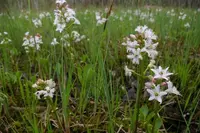
Bogbean (Menyanthes trifoliata) is an aquatic perennial adapted to cool, shallow water and very wet soils. It forms clumps of trifoliate leaves held on fleshy stems above the water surface.
In spring, it produces upright flower spikes with star-shaped white flowers that are finely fringed, giving the plant a distinctive look. It naturally occurs in bogs, fens, and marshes across cooler regions of the Northern Hemisphere.
This species is specialized for consistently wet, low-nutrient conditions, so it is easy in suitable ponds or bog gardens but unreliable in regular garden beds. To care for Bogbean successfully, provide stable water levels, full sun to light shade, and organically rich, mucky soil.

Care Difficulty
Moderate Care

Light Preference
Full Sun

Water Requirements
Aquatic

Temperature Preference
Cold Hardy

Hardiness Zone
3–7

Soil Texture
Loamy, Peaty, Organic-rich

Soil pH
Strongly acidic (4.5–5.5), Acidic (5.5–6.5)

Soil Drainage
Waterlogged tolerant

Fertilization
Minimal (feed rarely)
Scan your plant to receive care tips personalized for your specific plant
Available on iOS and Android
Menyanthes trifoliata is an aquatic bog plant that thrives in bright, cool conditions with gentle exposure to sun.
This bog and pond-edge plant requires consistently saturated conditions rather than typical garden-style watering.
This cool-climate aquatic species is hardy and tolerates a wide range of outdoor temperatures when roots stay submerged.
This semi-aquatic species prefers saturated conditions rather than typical air-humidity management.
This wetland plant needs permanently saturated, organic-rich substrate rather than conventional potting soil.
This species is suitable for containers when grown in pond baskets or tubs kept constantly waterlogged or submerged.
Menyanthes trifoliata usually thrives in nutrient-rich, natural wetlands and needs little added fertilizer in garden ponds.
Pruning Menyanthes trifoliata is mainly about tidying growth and supporting flowering in managed ponds or bog gardens.
Transplanting Menyanthes trifoliata focuses on managing spreading clumps in ponds or bog beds rather than frequent repotting.
Propagation of Menyanthes trifoliata is commonly done by division and can also be achieved from seed in managed aquatic setups.
This cold-hardy aquatic plant tolerates freezing conditions well and usually requires minimal winter care in outdoor ponds and bogs.

Plant Health Check
Not sure what's wrong with your plant? Check your plant's health inside the app.
This species is strongly tied to nutrient-poor, acidic wetlands such as bogs, fens, and quaking mires, where it forms dense colonies along shallow water edges. Its presence often indicates long-standing, relatively undisturbed wetland ecosystems.
The plant’s leaves are divided into three distinct leaflets that often float or rest on saturated soil, reducing competition with taller emergent plants. This trifoliate structure also helps shed water efficiently in flooded conditions.
The white flowers have five petals covered with fine, fringed hairs that give them a star-like, feathery appearance. These hairs can trap small droplets of water and may help guide pollinators toward the nectar and pollen.

This bog plant acts as a structural pioneer in peatland succession, stabilizing soft, waterlogged substrates with its creeping rhizomes and creating microhabitats that allow mosses, sedges, and other specialized wetland species to establish and expand over time.
Poor flowering usually comes from plants being too young, not established, or growing in water that is too deep or shaded. Ensure stable, cool conditions, consistent moisture, and enough light before expecting regular spring flowering.
Keep your plants happy and healthy with plant identification, disease detection, and easy care guidance.


Mexican pinyon
Pinus cembroides
Chinese White Pine
Pinus armandii
Calliarthron tuberculosum
Calliarthron tuberculosum
Mangrove Fern
Acrostichum speciosum
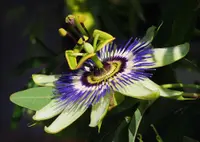
Blue Passion Flower
Passiflora caerulea
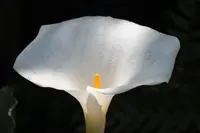
spotted calla lily
Zantedeschia albomaculata
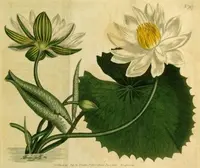
Egyptian white water-lily
Nymphaea lotus
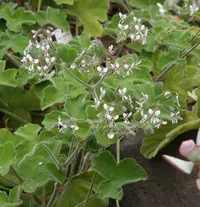
Peppermint-scented geranium
Pelargonium tomentosum