Chinese White Pine Care (Pinus armandii)

Also known as: Armand's Pine
Chinese White Pine

About Chinese White Pine

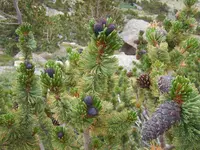
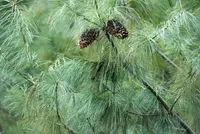
Chinese white pine, Pinus armandii, is an evergreen coniferous tree valued for its soft, bluish-green needles and graceful, open crown. It typically develops a tall, upright form with tiers of horizontal branches that give a light, airy appearance.

This species is native to central and western China, where it grows on mountain slopes and in mixed forests. It adapts best to temperate climates and is often used as an ornamental or landscape tree.

Pinus armandii prefers full sun, well-drained soil, and moderate moisture, and it generally needs space and time to establish. For gardeners looking to learn how to care for Chinese White Pine, its long life span and relatively low maintenance needs can be attractive once the site conditions are suitable.

Main Plant Requirements

Care Difficulty

Moderate Care

Light Preference

Full Sun

Water Requirements

Low Water

Temperature Preference

Cold Hardy

Hardiness Zone

6–8

Soil Texture

Sandy, Loamy, Rocky

Soil pH

Strongly acidic (4.5–5.5), Acidic (5.5–6.5)

Soil Drainage

Well-drained

Fertilization

Minimal (feed rarely)

Get Personalized Care Plan

Scan your plant to receive care tips personalized for your specific plant

Available on iOS and Android

How to Care for the Chinese White Pine

This high-elevation pine prefers bright, open conditions with consistent direct light.

  • Provide 6–8 hours of direct sun daily; full sun promotes dense, balanced growth for Chinese White Pine.
  • Tolerates light afternoon shade in hotter regions; use eastern exposure or high, filtered light to reduce needle scorch in strong summer sun.
  • In the first 2–3 years, protect young trees from sudden exposure changes; gradually increase sun after cloudy periods or after moving from shade cloth.

This species prefers evenly moist but not saturated soil once established in the landscape.

  • Allow the top 3–5 cm of soil to dry between waterings; check by inserting a finger or soil probe rather than using a fixed schedule for Pinus armandii.
  • During the first 1–2 growing seasons, water deeply when needles begin to lose some sheen, then reduce frequency as roots extend and rainfall can supply most needs.
  • Ensure sharply draining soil; signs of overwatering include yellowing, limp needles and sour odor, while crisp browning needle tips often indicate underwatering or prolonged drought.

This cold-hardy pine thrives in temperate climates with distinct seasons.

  • Optimal growth occurs around 55–75°F (13–24°C), with strongest shoot and needle development in cool to mild spring and early summer conditions.
  • Mature trees tolerate cold down to about -10°F (-23°C) once established; young plants benefit from wind protection and mulch over roots in severe winters.
  • Handles summer heat up to about 90–95°F (32–35°C) if soil stays slightly moist; extended periods above this, combined with drought, can cause needle browning and tip dieback.

Pinus armandii handles a wide humidity range and rarely needs special humidity management.

Pinus armandii prefers sharply drained, mineral-based soil that mimics a rocky mountain slope.

  • Use a sandy or gravelly loam with 30–50% coarse mineral material such as grit, pumice, or small gravel for structure.
  • Ensure very fast drainage; water should pass through in seconds, not sit on the surface or in the saucer.
  • Keep pH slightly acidic to neutral, around 5.5–7.0, using low-lime materials and avoiding heavily limed mixes.
  • Avoid heavy clay, peat-heavy, or compacted mixes that hold water around the roots for long periods.

This species can be grown in containers for many years if managed as a long-term bonsai-style or patio specimen.

  • Choose a deep, wide, and heavy container to provide root depth and prevent the tree from tipping in strong wind.
  • Use a highly mineral, fast-draining mix so the container does not retain water and cause root decline.
  • Place the pot where it will not overheat on paved surfaces, since containerized roots are more vulnerable to heat stress.

This pine grows best in poor to moderately fertile soil and usually needs only light feeding.

  • For young or container-grown Chinese White Pine, use a balanced slow-release fertilizer (around 10-10-10) once in early spring.
  • Apply at 1/2 label rate to avoid excessive, weak growth and salt buildup in the root zone.
  • In autumn and winter, stop feeding so the plant can harden off and enter dormancy normally.
  • Mature trees in the ground usually perform well with no synthetic fertilizer, just a thin layer of compost over the root zone every 1–2 years.

Pinus armandii needs minimal pruning, mainly to maintain structure and remove problem wood.

  • Prune in late winter to early spring before active growth, using sharp bypass pruners or a clean pruning saw.
  • Remove dead, diseased, crossing, or storm-damaged branches back to the branch collar without leaving stubs.
  • Limit shaping to light thinning to maintain natural form; heavy crown reduction stresses the tree and invites pests.
  • Avoid cutting into old, bare wood; instead, pinch or shorten new candles in spring to subtly control size and density.

This species is usually grown in the ground, so focus on careful planting and rare moves rather than frequent repotting.

  • Transplant young Pinus armandii in early spring or early fall when temperatures are mild and soil is workable.
  • Look for circling roots, slow growth, or roots emerging from drainage holes as signs a container plant needs a larger pot.
  • Move up only 1–2 pot sizes, loosening circling roots gently and setting the root flare level with the soil surface.
  • Water deeply after transplanting, then keep soil evenly moist (not waterlogged) for several weeks to reduce transplant shock and support new root growth.

This pine is most reliably propagated from seed, with vegetative methods used less often and mainly by specialists.

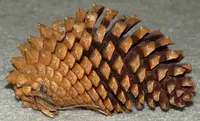
  • Collect ripe cones in late summer to fall, then extract seeds once scales open and dry slightly.
  • Provide cold stratification at about 34–41°F for 6–10 weeks in moist but not soggy substrate to break dormancy.
  • Sow stratified seeds in a well-drained, slightly acidic mix under bright light and cool to mild temperatures.
  • Keep medium just barely moist and protect seedlings from damping-off by ensuring good air movement and avoiding overwatering.

Pinus armandii is cold hardy in suitable climates and usually needs little active winter care once established.

  • Apply 5–8 cm of organic mulch around, but not touching, the trunk to buffer root temperature and moisture.
  • In windy or exposed sites, use a windbreak or screen to limit desiccation of needles during freezing conditions.
  • Container-grown plants benefit from moving to a sheltered, unheated but frost-free area or insulating the pot to prevent root damage.

Care Tips

Wind-hardening young trees

Stake newly planted trees only for the first 1–2 years and gradually loosen ties so the trunk flexes in wind, which encourages stronger wood and better anchorage.

Trunk flare protection

Keep mulch and soil pulled back 5–8 cm from the trunk base to expose the natural flare and reduce risk of bark rot, pests, and girdling roots over time.

Snow load management

In regions with heavy, wet snow, gently brush snow off branches with an upward motion during storms to reduce the chance of limb breakage on long, horizontal branches.

Targeted structural pruning

During late winter, remove competing leaders and narrow V-shaped crotches early in the tree’s life to develop a single strong leader and stable branch structure.

Site airflow planning

When planning or caring for Chinese White Pine, allow generous spacing from buildings and dense hedges so air can move freely through the canopy, which lowers fungal disease pressure on needles and shoots.

Common Pests and Diseases

Pine needle blight

This disease causes browning and premature shedding of older needles, usually starting on the lower branches and moving upward. Symptoms include banding or spotting on needles, followed by tip dieback and thinning foliage.

Solution

Prune out and destroy heavily affected shoots in dry weather, and remove fallen needles from around the base to reduce fungal spores. Improve spacing and airflow, avoid overhead watering, and apply an appropriate copper or chlorothalonil-based fungicide in early spring if the tree has a history of infection, following local label directions.

Pine needle cast

This disease leads to yellowing, then browning and drop of 1–2 year-old needles, while current-year needles may remain green. Symptoms include small dark fruiting bodies (tiny dots) on dead needles, often visible with a hand lens.

Solution

Rake and dispose of fallen needles and thin crowded branches to increase light and air movement. In sites with repeated problems, use a registered preventive fungicide at bud break and again according to label timing, and avoid excessive nitrogen fertilization that encourages dense, disease-prone foliage.

Pine wilt nematode

This disease causes rapid wilting and death of trees, often within a single growing season. Symptoms include sudden dull gray-green needles that quickly turn brown and remain attached, with dry, brittle wood beneath the bark.

Solution

Promptly remove and destroy (do not store as firewood on site) any trees that show rapid wilt and confirmed pine wilt to prevent spread via vector beetles. In high-risk regions, avoid water stress, protect roots from construction damage, and consider planting in mixed-species stands rather than large monocultures to reduce overall risk when growing Chinese White Pine.

Pine bark beetles

These insects bore into the trunk and branches, disrupting the flow of water and nutrients. Symptoms include pitch tubes (small resin blobs) on the bark, boring dust at the base, and progressive dieback starting from the crown or individual limbs.

Solution

Keep trees healthy with consistent watering during drought and avoid trunk injuries, as stressed trees are most vulnerable. Remove and chip or debark heavily infested trees, avoid storing fresh pine firewood on site, and in areas with chronic outbreaks consult a certified arborist about timing and need for preventive trunk injections or bark sprays.

Pine needle scale

This pest forms small white, elongated scale coverings on needles, causing them to yellow, lose vigor, and eventually drop. This pest also produces honeydew that can lead to sooty mold on nearby surfaces.

Solution

For light infestations, prune and destroy affected twigs and wash needles with a strong jet of water to dislodge crawlers. In heavier cases, apply horticultural oil during the crawler stage, making sure to coat needles thoroughly, and encourage natural predators such as lady beetles by avoiding broad-spectrum insecticides.

Interesting Facts

Edible wingless seeds

This species produces relatively large, wingless seeds that are edible and sometimes consumed locally in China, unlike many pines whose seeds are small and winged for wind dispersal.

High‑altitude specialist

It is native to central and western China where it commonly grows on mountain slopes at higher elevations, showing good adaptation to cold, dry air and thin, rocky soils.

Distinct five‑needle bundles

Its needles grow in bundles of five and are notably long and slender, a characteristic feature of this white pine group that helps distinguish it from many other Asian pines with 2‑ or 3‑needle bundles.

Botan icon

Did you know?

The wood of this species has been used in its native range for general construction and joinery, and the tree has also been planted as a reforestation and shelterbelt species in mountain regions due to its tolerance of poor, eroded soils.

FAQs about Chinese White Pine

This species is usually slow to moderate growing. Young trees often add 20–30 cm per year, sometimes more in ideal conditions. Growth rate depends strongly on climate, moisture availability, soil depth, and genetic variation.

Grow Healthy Plants with Botan Care

Keep your plants happy and healthy with plant identification, disease detection, and easy care guidance.

Botan plant care app — identify plants on mobile

Explore More Plants