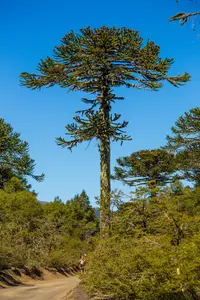
Rocky Mountains Bristlecone Pine Care (Pinus aristata)

Also known as: Colorado Bristlecone Pine, Hickory Pine, bristlecone pine, foxtail pine, pricklecone pine
Rocky Mountains Bristlecone Pine

About Rocky Mountains Bristlecone Pine

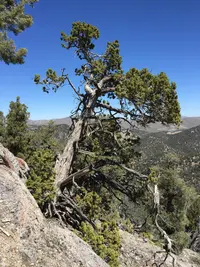
Rocky Mountains bristlecone pine (Pinus aristata) is a very long-lived, slow-growing conifer known for its twisted branches and dense, short needles with white resin flecks. It typically forms a small to medium tree with a rugged, sculptural look that reflects its harsh native mountain habitats.

This species is native to high elevations in the Rocky Mountains of the US, where it survives cold, wind, and poor, rocky soils. These traits make it tough but also slow to establish, so gardeners should learn how to care for Rocky Mountains Bristlecone Pine before planting.

It prefers full sun, well-drained, lean soil, and relatively dry conditions once established, and it does not tolerate waterlogged sites.

Main Plant Requirements

Care Difficulty

Moderate Care

Light Preference

Full Sun

Water Requirements

Low Water

Temperature Preference

Cold Hardy

Hardiness Zone

3–7

Soil Texture

Sandy, Loamy, Rocky

Soil pH

Acidic (5.5–6.5), Slightly acidic (6.5–7.0)

Soil Drainage

Well-drained

Fertilization

Minimal (feed rarely)

Get Personalized Care Plan

Scan your plant to receive care tips personalized for your specific plant

Available on iOS and Android

How to Care for the Rocky Mountains Bristlecone Pine

This high-elevation conifer needs abundant direct sun to develop compact, healthy growth.

  • Provide 6–10 hours of direct sun daily; full sun on an open site suits Rocky Mountains Bristlecone Pine best.
  • Tolerates light afternoon shade in hotter regions, but dense or all-day shade leads to sparse, elongated shoots and thinner foliage.
  • Avoid planting where taller trees or buildings will increasingly cast shade over the years; reassess light exposure seasonally as surrounding vegetation grows.

This slow-growing pine prefers drier, well-drained conditions once established.

  • During the first 2–3 years, water deeply when the top 5–8 cm of soil is dry, then allow the soil to fully drain before the next watering.
  • Ensure sharply drained, gritty or rocky soil; soggy ground, pooling water, or a sulfurous smell in the root zone suggests overwatering and root rot risk for Pinus aristata.
  • Mature trees in the ground often need supplemental water only during extended drought, when needles dull, droop slightly, or current-year shoots stop elongating early.

This species is adapted to cold, high-elevation climates and handles a wide temperature range in the landscape.

  • Active growth is best around 55–75°F (13–24°C), though the tree continues to function well a bit outside this range.
  • Established plants tolerate winter lows near -30°F (-34°C) with adequate root insulation from mulch and snow cover.
  • Heat tolerance is moderate; aim to keep roots cooler than air by using a light mulch and avoiding reflective hardscape when summer highs routinely exceed 90°F (32°C).

This high-elevation conifer prefers dry to moderately dry air and usually needs no special humidity control.

Pinus aristata thrives in lean, rocky, sharply drained soil similar to its native mountain slopes.

  • Use a gritty mix such as 40% coarse sand, 40% small gravel or pumice, and 20% low-organic mineral topsoil.
  • Aim for slightly acidic to neutral pH, around 6.0–7.0, and avoid peat-heavy substrates that hold prolonged moisture.
  • Ensure the mix is loose and well-aerated so water drains through in seconds, not minutes, after watering.
  • Avoid heavy clay, fine silt, or compacted mixes that stay wet, as these quickly lead to root and collar rot.

This species can be grown in containers for many years, provided the pot strongly supports its slow but deep-rooting habit.

  • Choose a tall, heavy container that resists tipping and allows a deeper root run than a standard nursery pot of similar volume.
  • Use a highly mineral, fast-draining mix and raise the pot on feet so drainage holes never sit in collected water.
  • Select thick-walled clay or concrete if the climate is hot, as these materials buffer temperature swings and reduce root stress.

This slow-growing conifer needs minimal feeding, as Rocky Mountains Bristlecone Pine is naturally adapted to poor, rocky soils.

  • Use a light application of balanced, slow-release NPK fertilizer or a thin layer of compost in early spring only if growth is very weak.
  • Apply at 1/2 strength compared with label rates to avoid excess salt buildup in the root zone.
  • Keep fertilizer off the trunk and needles, spreading it evenly over the root area and watering in well.
  • Do not feed in late summer or winter, since added nutrients can stimulate tender growth that does not harden before cold weather.

Pinus aristata requires only minimal pruning to remove problem growth and maintain a natural form.

  • Plan any pruning for late winter or very early spring before new growth starts.
  • Remove dead, diseased, or storm-damaged branches with clean, sharp bypass pruners or a pruning saw.
  • Thin badly crossing or crowded interior branches sparingly to improve airflow without opening the canopy too much.
  • Avoid cutting back into old, bare wood, since pines do not reliably reshoot from areas without green needles.

This species is usually grown in the ground, with transplanting done infrequently to avoid disturbing its sensitive roots.

  • Transplant young trees in early spring or early fall, while soil is cool and moisture is reliable.
  • Look for circling roots, a root-bound container, or declining vigor as signs a container-grown plant needs a larger pot or ground planting.
  • Handle the root ball gently, loosening only the outer circling roots and keeping as much soil attached as possible.
  • Set the tree at the same depth as before, water thoroughly, then mulch 5–8 cm deep to limit temperature swings and moisture stress.

Sexual propagation from seed is standard for this pine, while vegetative methods are rarely successful at home scale.

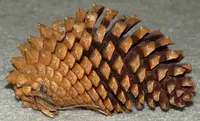
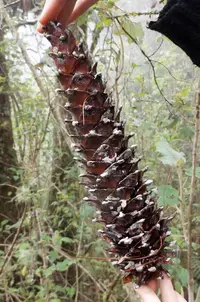
  • Collect ripe cones in late summer to fall, dry them so scales open, then extract seeds.
  • Provide a cold stratification period of about 60–90 days at 34–40°F in moist but not wet medium to break dormancy.
  • Sow seeds in a very well-drained, gritty mix, barely covered, and keep at 55–65°F with bright light.
  • Maintain even but light moisture and good air movement, since seedlings are sensitive to waterlogging and damping-off diseases.

Mature plants are highly cold hardy and typically need little special winter care in most temperate climates.

  • In late fall, apply a 5–8 cm layer of mulch around the root zone, keeping it a few cm away from the trunk.
  • Water deeply before the ground freezes in areas with dry autumns to reduce winter desiccation stress.
  • Move young or container-grown trees to a sheltered, unheated but bright location where roots will not freeze solid.

Care Tips

Prioritize deep rooting

In the first 2–3 years, use less frequent but thorough watering and avoid cultivating the soil around the base so the tree develops a deep, undisturbed root system that anchors it for high winds and drought.

Avoid root disturbance

Mark a no-dig circle at least 60–90 cm from the trunk and avoid planting perennials, lawn edging, or irrigation lines there to protect the slow-growing fine roots from damage.

Manage snow load

In snowy climates, gently brush heavy, wet snow off the branches with a soft broom to reduce the risk of breakage, but leave light, powdery snow that does not weigh the branches down.

Plan for mature size

Site the tree where it can reach its natural width with at least 1.5–2 m of clear space from buildings and other trees so its crown can develop evenly and not become one-sided or shaded out.

Choose compatible companions

Plant only dry-tolerant, low-nutrient companion species such as native bunchgrasses or small alpine shrubs nearby so they do not outcompete the bristlecone pine for water and keep the soil conditions similar to its natural habitat when growing Rocky Mountains Bristlecone Pine.

Common Pests and Diseases

Bristlecone needle blight

This disease causes premature browning and shedding of older needles, often starting on the lower or interior parts of the tree. Symptoms include thin, tufted foliage near branch tips while inner needles turn reddish-brown and drop early.

Solution

Prune out and destroy heavily affected twigs to reduce inoculum, and avoid overhead watering to keep needles as dry as possible. Improve air movement around the tree and, if disease pressure is high, use a registered copper or chlorothalonil-based fungicide in early spring following local Rocky Mountains Bristlecone Pine care instructions.

Dwarf mistletoe

This parasitic plant forms small, broom-like clusters of dense, distorted twigs on branches and can slowly weaken or kill the host. Symptoms include swollen branches, witches’ brooms, stunted growth, and reduced vigor over many years.

Solution

Cut out infected branches at least 30–45 cm below visible brooms to remove the parasitic tissue, and destroy pruned material. In landscapes with repeated reinfection, consider removing severely infested trees and replacing them with non-host species to break the local mistletoe cycle.

Pine needle scale

These insects form small, white, oyster-shell-like bumps on needles and can cause yellowing, premature needle drop, and general thinning of the canopy. Heavy infestations give the needles a speckled or white-dusted appearance.

Solution

For light infestations, hose needles with a strong stream of water to dislodge scales and remove heavily infested branches if practical. For persistent problems, apply a horticultural oil spray during the crawler stage as directed on the label, ensuring thorough coverage of needles while avoiding application during high heat or drought stress.

Pine bark beetles

These insects bore into stems and trunks, disrupting water movement and often attacking stressed or drought-weakened trees first. Symptoms include pitch tubes on the bark, fine boring dust, and rapid crown fade from green to reddish-brown.

Solution

Maintain tree vigor with appropriate watering during prolonged drought and avoid unnecessary trunk injuries that attract beetles. Promptly remove and dispose of heavily infested trees or branches, and in high-risk areas consider preventive trunk sprays with a labeled insecticide applied by a certified arborist before peak beetle flight periods.

Sooty mold from honeydew

This disease appears as a black, powdery coating on needles and twigs that grows on the sugary secretions (honeydew) of sap-sucking insects such as aphids or scale. Symptoms include dull, blackened foliage that may reduce photosynthesis but usually does not kill the tree directly.

Solution

Control the underlying honeydew-producing insects with a strong water spray, targeted horticultural oil, or insecticidal soap, focusing on young shoots and needle bases. Once insect activity is reduced, the sooty mold gradually weathers off; improved air circulation and natural rainfall help clean affected needles over time.

Interesting Facts

Resin fleck needles

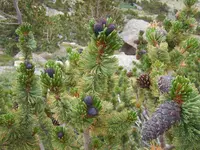
This species is easily recognized by its short needles dotted with white resin flecks, caused by internal resin pockets that become visible on the needle surface and give the crown a speckled appearance.

Slow alpine growth

Pinus aristata grows very slowly in its native high-elevation ranges of Colorado, New Mexico, and Arizona, often forming twisted, gnarled trunks that reflect decades of exposure to strong winds, cold temperatures, and poor, rocky soils.

Specialized mycorrhizal partners

In natural habitats, its roots commonly form associations with ectomycorrhizal fungi, which improve water and nutrient uptake and help the tree survive on nutrient-poor mountain slopes.

Botan icon

Did you know?

Some individuals of Pinus aristata in the Rocky Mountains have been dated to well over 2,000 years old, placing them among the longest-lived tree species on Earth and important subjects in dendrochronology, the scientific study of tree rings for climate and environmental history.

FAQs about Rocky Mountains Bristlecone Pine

This species grows very slowly, often only 2–10 cm per year under garden conditions. Growth is fastest in youth, then gradually slows. Patience is essential when trying to grow Pinus aristata as a feature tree.

Grow Healthy Plants with Botan Care

Keep your plants happy and healthy with plant identification, disease detection, and easy care guidance.

Botan plant care app — identify plants on mobile

Explore More Plants